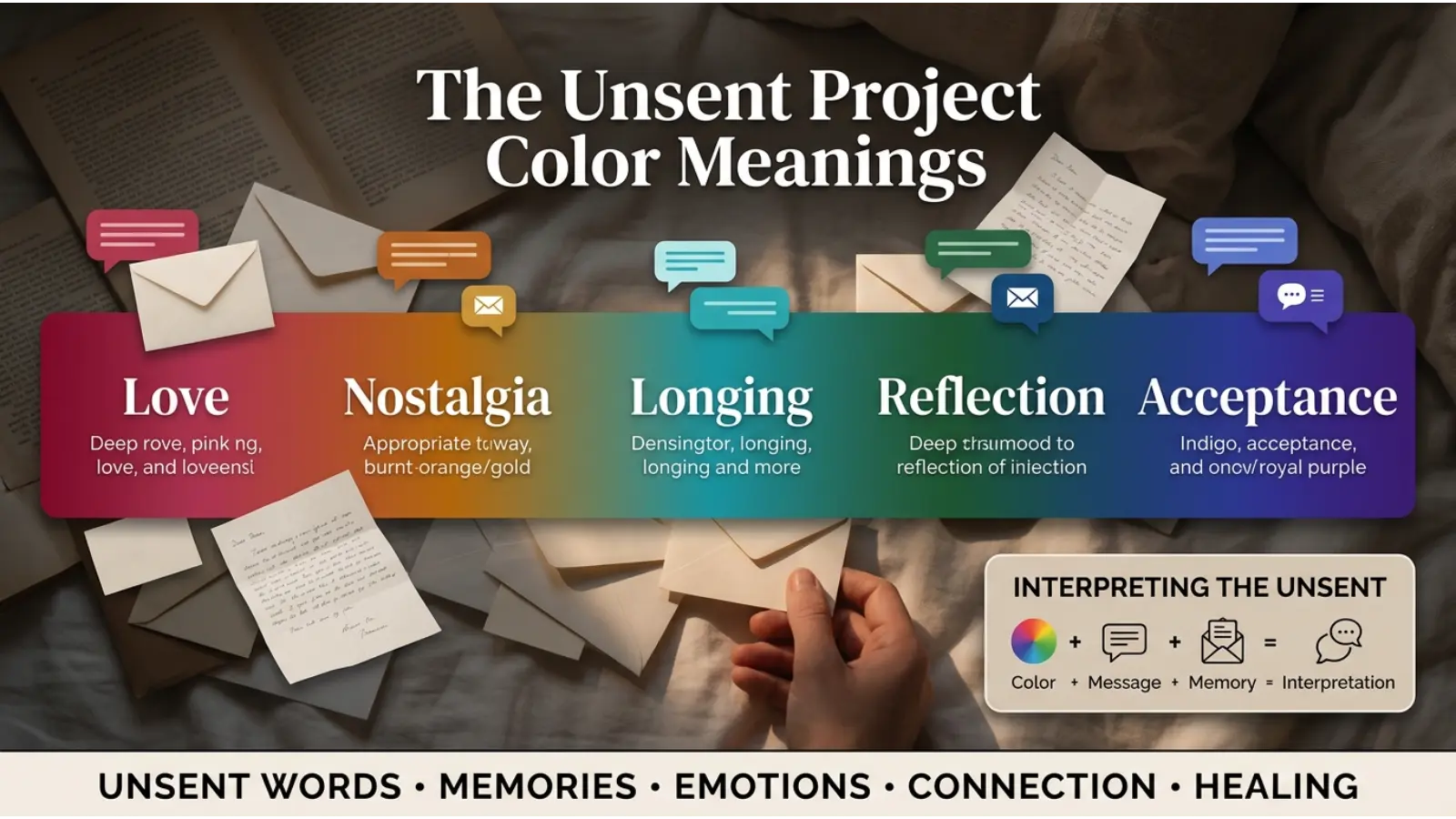
The Unsent Project color meanings have become a popular way to understand the emotions behind anonymous messages that people never sent to someone they cared about. The project combines short personal messages with colors, turning private feelings into a visual collection of love, longing, regret, heartbreak, memories, and hope.
But there is one important detail to understand first: The Unsent Project does not have a universal official dictionary saying that one color always means one emotion. The color is chosen by the person submitting the message, based on what that color represents to them. Third-party guides often identify patterns, but those patterns should not be treated as fixed rules.
That makes the color system more personal than it may first appear. A person might choose blue because they associate it with sadness, while someone else may choose blue because it reminds them of a person’s eyes, a special place, or a peaceful memory.
This guide explains the commonly associated meanings of the colors while keeping that personal context in mind.
Quick Answer: What Do the Unsent Project Colors Mean?
The colors in The Unsent Project are chosen by contributors to represent how they personally connect with a first love or memory. Common interpretations include:
| Color | Common Emotional Associations |
|---|---|
| 🔴 Red | Love, passion, intensity, desire, anger |
| 🩷 Pink | Tenderness, affection, romance, vulnerability |
| 🟠 Orange | Energy, excitement, warmth, change |
| 🟡 Yellow | Happiness, warmth, memories, optimism |
| 🟢 Green | Growth, healing, hope, jealousy |
| 🔵 Blue | Longing, sadness, calmness, distance |
| 🟣 Purple | Mystery, depth, nostalgia, complicated feelings |
| ⚫ Black | Grief, loss, endings, emotional heaviness |
| ⚪ White | Peace, clarity, innocence, acceptance |
| 🩶 Gray | Uncertainty, mixed emotions, reflection |
| 🟤 Brown | Stability, familiarity, grounded or muted feelings |
These are common interpretations rather than official definitions. The message and the writer’s personal association provide the real context.
What Is The Unsent Project Color Meanings?
The Unsent Project is an online collection built around messages people never sent to their first loves. Artist Rora Blue started the project in 2015 around the question of what color people associate with their first love. Contributors could submit a message and select a color connected with that person or memory.
The concept is simple, but the result is emotionally complex.
A short sentence such as “I still think about you” can feel very different depending on the color selected by the writer. The words communicate the direct message, while the color adds another layer of personal association.
That is why the colors should not be read like a secret code.
A blue message does not automatically mean sadness. A red message does not automatically mean romantic passion. The color is part of the contributor’s emotional expression.
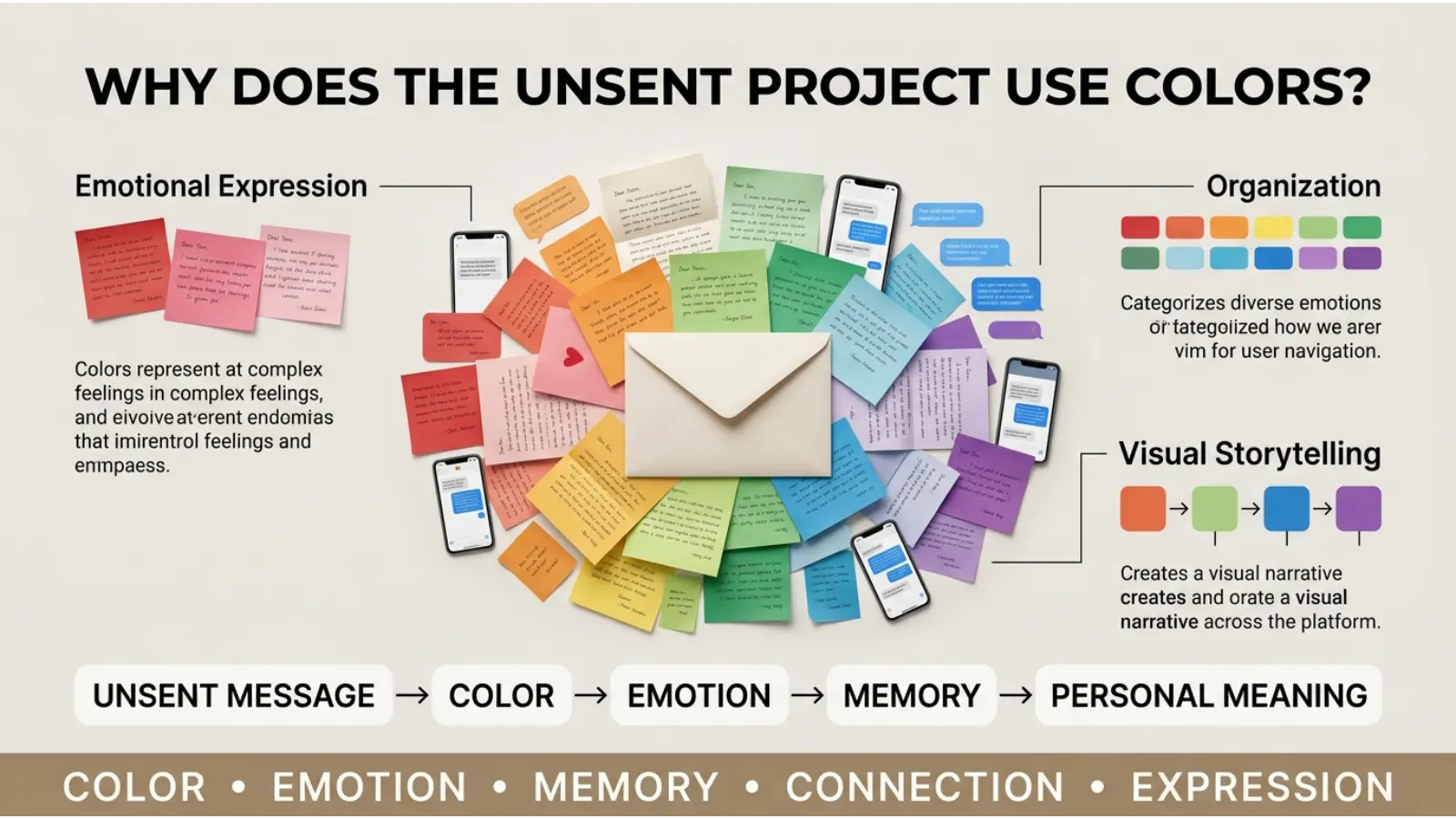
Why Does The Unsent Project Color Meanings?
Color can communicate an emotional impression before someone has even finished reading a message.
Red may feel intense. Blue may feel quiet. Yellow can appear cheerful and warm. Black can create a sense of seriousness or loss.
These associations come from a mixture of personal experience, culture, design conventions, memories, and broader color symbolism.
For The Unsent Project, however, the most important idea is personal association.
The same color can remind two people of completely different relationships.
For example, one person might select green because their relationship helped them grow. Another might select green because jealousy was a major part of the relationship. Neither interpretation has to be wrong.
The color becomes a visual clue rather than a final answer.
\
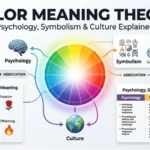
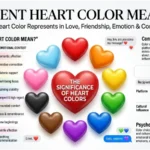
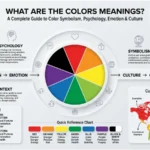
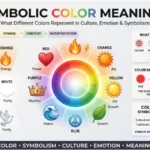
The Unsent Project Color Meanings Chart
The following chart summarizes the most common interpretations found in discussions and guides about the project.
| 🌈 Color | 💭 Common Meaning | ❤️ Emotional Tone |
|---|---|---|
| 🔴 Red | Passion, love, intensity | Strong and emotional |
| 🩷 Pink | Tenderness, romance, affection | Soft and personal |
| 🟠 Orange | Energy, excitement, change | Warm and lively |
| 🟡 Yellow | Happiness, warmth, nostalgia | Bright and bittersweet |
| 🟢 Green | Growth, healing, hope, jealousy | Reflective and changing |
| 🔵 Blue | Longing, sadness, calmness | Quiet and reflective |
| 🟣 Purple | Mystery, depth, nostalgia | Complex and thoughtful |
| ⚫ Black | Grief, loss, endings | Heavy and serious |
| ⚪ White | Peace, clarity, innocence | Calm and simple |
| 🩶 Gray | Uncertainty, mixed feelings | Neutral and complicated |
| 🟤 Brown | Stability, familiarity, muted emotion | Grounded and subdued |
Red: Love, Passion, and Emotional Intensity
🔴 Red is commonly connected with strong emotions.
In general color symbolism, red can suggest love, passion, desire, excitement, anger, urgency, and intensity. Those associations make it a natural choice for memories that still feel emotionally powerful.
A red message might describe a relationship that felt exciting and unforgettable.
It could also describe anger after a painful ending.
That distinction matters. Red should not automatically be translated as “love.” It can represent any emotion that feels intense.
A message such as “I never stopped loving you” may make red feel romantic. A message about betrayal may make the same color feel angry or wounded.
What Red Can Suggest
- Romantic attraction
- Deep affection
- Passion
- Desire
- Anger
- Emotional intensity
- A relationship that felt unforgettable
The words determine which interpretation makes the most sense.
Pink: Tenderness, Romance, and Vulnerability
🩷 Pink usually creates a softer emotional impression than red.
It is commonly associated with affection, tenderness, sweetness, romance, innocence, and vulnerability.
Within discussions of The Unsent Project, pink is often connected with gentle romantic memories and feelings that were difficult to express.
Pink can suit a message about a first crush, an innocent memory, or affection that was never returned.
It can also represent emotional vulnerability.
Someone might choose pink not because the relationship was perfect, but because the feelings were delicate and personal.
Pink May Represent
- Tender love
- First-love memories
- Affection
- Sweetness
- Vulnerability
- Innocence
- Unspoken romantic feelings
Pink is therefore less about emotional strength and more about emotional softness.
Orange: Energy, Adventure, and Change
🟠 Orange sits between the warmth of red and the brightness of yellow.
It is often associated with energy, excitement, enthusiasm, warmth, creativity, and movement.
In the context of unsent messages, orange can work well for relationships that felt adventurous or unpredictable.
It may also suit a memory of a relationship that changed quickly.
An orange message can feel emotionally active rather than quiet. Even when the words describe sadness, the color can suggest that the person or relationship brought energy into the writer’s life.
Orange Can Suggest
- Excitement
- Adventure
- Energy
- Warm memories
- Change
- Emotional movement
- Bittersweet experiences
Because orange combines several emotional qualities, its interpretation can be especially dependent on the message itself.
Yellow: Happiness, Warmth, and Nostalgia
🟡 Yellow is often associated with happiness, sunshine, warmth, optimism, and positive memories.
For that reason, a yellow message may remind readers of someone who made life feel lighter.
However, yellow can become bittersweet when the message describes someone who is no longer present.
A writer might remember a relationship as happy while simultaneously grieving its ending.
That creates an interesting contrast: the color represents the warmth of the memory, while the words reveal the sadness of losing it.
Yellow May Represent
- Happiness
- Friendship
- Warmth
- Optimism
- Good memories
- Nostalgia
- Bittersweet affection
Yellow does not necessarily mean that the relationship had a happy ending. Sometimes it represents the happiness that existed before the ending.
Green: Growth, Healing, Hope, and Jealousy
🟢 Green is one of the most flexible colors in emotional symbolism.
It can represent nature, renewal, growth, healing, hope, and fresh beginnings. At the same time, green has a long association with jealousy and envy.
That makes green particularly useful for complicated memories.
A person might choose green because someone helped them become a different version of themselves.
Another person might choose it because jealousy affected their relationship.
The two interpretations can exist side by side.
Green Can Represent
- Personal growth
- Healing
- Hope
- Renewal
- New beginnings
- Jealousy
- Unresolved emotions
This is a good example of why a fixed color dictionary cannot explain every message.
Blue: Longing, Sadness, Calmness, and Distance
🔵 Blue is frequently associated with sadness, longing, calmness, loneliness, and reflection.
A blue message can feel quieter than a red one.
Instead of emotional urgency, it may communicate the feeling of missing someone from a distance.
For example, a message about remembering someone years after a relationship ended may naturally feel blue because the emotion is reflective rather than explosive.
However, blue can also represent peace.
A contributor might choose blue because the person made them feel safe or calm.
Blue May Represent
- Missing someone
- Longing
- Sadness
- Loneliness
- Calm affection
- Distance
- Reflection
- Nostalgia
The emotional tone of blue often depends on whether the message focuses on loss or comfort.
Purple: Mystery, Depth, and Complicated Feelings
🟣 Purple often carries associations of mystery, imagination, depth, spirituality, individuality, and complexity.
For an unsent message, purple can suit a relationship that was difficult to define.
Perhaps the person was more than a friend but never quite became a partner. Perhaps the relationship changed the writer in ways they still struggle to explain.
Purple works particularly well for emotions that do not fit neatly into one category.
Purple May Suggest
- Mystery
- Emotional depth
- Nostalgia
- Unusual relationships
- Complex affection
- Spiritual reflection
- Feelings that are difficult to define
A purple message does not necessarily indicate a supernatural or spiritual relationship. Those interpretations come from broader symbolism, not an official Unsent Project rule.
Black: Grief, Loss, and Emotional Heaviness
⚫ Black often creates one of the strongest visual impressions.
Across many cultural and design contexts, black can represent seriousness, darkness, grief, mystery, power, or finality.
In discussions of The Unsent Project, black is frequently interpreted as a color for loss, heartbreak, grief, or emotionally difficult memories.
But black can also mean something more neutral.
Someone might choose it because it is their favorite color or because it visually matches the memory they are trying to express.
Black Can Represent
- Grief
- Loss
- Heartbreak
- Finality
- Darkness
- Seriousness
- Emotional heaviness
The color can make a message feel heavier, but the words remain the most reliable guide to the writer’s actual feeling.
White: Peace, Clarity, and Acceptance
⚪ White often suggests simplicity, peace, clarity, innocence, cleanliness, or a fresh beginning.
For an unsent message, white can represent a feeling that has become calmer over time.
Someone may write about a past relationship without anger or longing. The message may simply acknowledge what happened and move forward.
In that setting, white can feel like acceptance.
At other times, it may represent innocence or a relationship remembered as uncomplicated.
White May Represent
- Peace
- Clarity
- Innocence
- Simplicity
- Acceptance
- Fresh beginnings
- Emotional calm
White is a useful reminder that not every unsent message is about active heartbreak.
Some messages are about closure.
Gray: Uncertainty and Mixed Emotions
🩶 Gray is often associated with uncertainty, neutrality, ambiguity, and emotional complexity.
It can fit a relationship where the writer does not know exactly how they feel anymore.
Maybe there is still affection, but also disappointment.
Maybe the writer has moved on but still remembers the person.
Gray captures that emotional middle ground.
Gray May Represent
- Confusion
- Mixed emotions
- Uncertainty
- Emotional distance
- Reflection
- Acceptance without complete closure
The Gray can therefore be especially meaningful for messages that contain more than one emotion.
Brown: Familiarity, Stability, and Muted Feelings
🟤 Brown is generally connected with earthiness, reliability, warmth, familiarity, and grounded feelings.
It is not as emotionally dramatic as red or black, and it may therefore suit memories that feel familiar rather than overwhelming.
A brown message might represent a long connection, a comfortable relationship, or a memory that has become quieter with time.
Brown Can Suggest
- Familiarity
- Stability
- Comfort
- Grounded emotions
- Long-lasting memories
- Muted feelings
- Emotional simplicity
Because brown is less commonly discussed in mainstream color symbolism, its meaning within an individual submission should be interpreted carefully.
Does Each Unsent Project Color Have an Official Meaning?
No.
This is one of the most important points to remember when reading color guides online.
There are many websites that publish charts assigning specific emotions to each color. However, those charts should not be confused with an official rulebook from The Unsent Project.
Available descriptions of the project explain that contributors choose the color associated with their first love or personal memory. The choice is intentionally personal.
So if you see a blue message, you cannot reliably conclude that the writer was sad.
They might have chosen blue because:
- The person had blue eyes.
- Blue was their favorite color.
- A special place was connected with blue.
- The relationship felt peaceful.
- The writer associated blue with sadness.
- The color simply felt right.
The same principle applies to every other color.
Why Color Meaning Changes From Person to Person
Color is not a universal emotional language.
People learn color associations through family, culture, religion, media, fashion, personal experiences, and everyday environments.
For example, someone who associates white with peace may react differently to white than someone whose cultural experiences connect it with mourning.
Personal memories matter just as much.
Imagine that someone’s first love always wore a yellow jacket. Yellow could become deeply personal for that individual. A general color psychology chart would never fully explain that association.
This is why personal context is more important than a fixed definition.
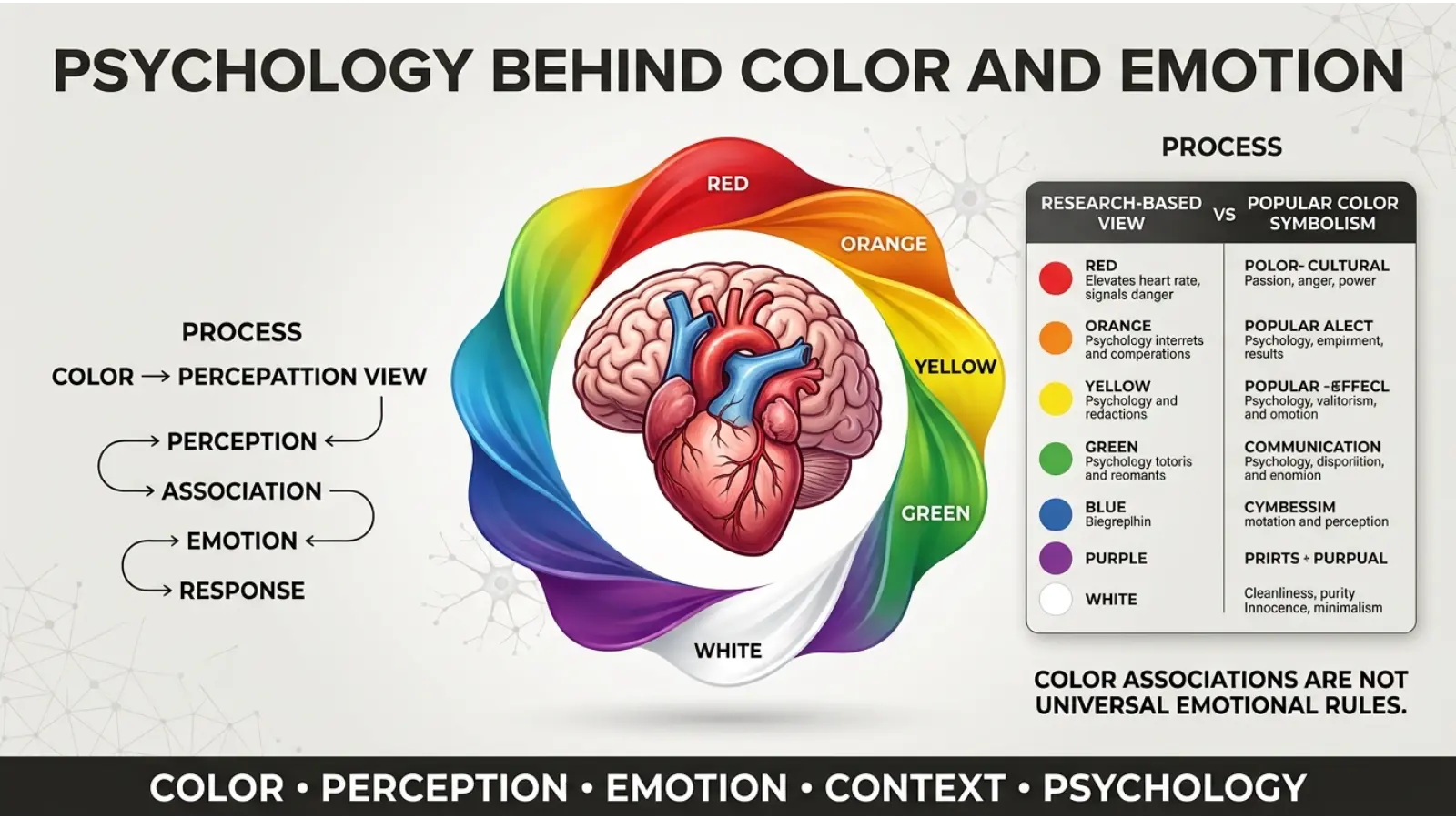
Psychology Behind Unsent Project Color Meanings
Color can influence attention, perception, and emotional impressions, but it does not work like a simple emotional switch.
People can have shared associations with colors, yet their reactions still depend on context.
A bright red room, a red rose, and a red warning sign may all produce different impressions because the surrounding objects change the meaning.
The same principle applies to The Unsent Project.
A red background behind a romantic confession creates one emotional atmosphere. Red behind a message about betrayal can feel completely different.
The words, color, memory, and context work together.
Color Is an Emotional Cue, Not a Translation
A useful way to think about the system is:
Words = the story
Color = the emotional cue
Personal memory = the deeper meaning
This approach prevents readers from treating the colors like a secret code.
The Emotional Spectrum of The Unsent Project
The colors can also be viewed as a broad emotional spectrum rather than separate boxes.
🩷 Tenderness ── 🔴 Passion ── 🟠 Energy ── 🟡 Warmth
                         │
🟣 Depth ────────────────┼─────────────── 🟢 Growth
                         │
🔵 Longing ──────────────┼─────────────── ⚪ Peace
                         │
🩶 Uncertainty ──────────┼─────────────── 🟤 Stability
                         │
                     ⚫ Grief
This is an interpretive framework, not an official chart.
Its purpose is to show why neighboring colors can create different emotional impressions while still overlapping.
How the Message Changes the Meaning of a Color
Consider three imaginary messages:
Red:
“I still want you back.”
The red color may reinforce passion and desire.
Red:
“I will never forgive what you did.”
Here, red may feel closer to anger and emotional intensity.
Red:
“Thank you for being there when I needed you.”
Now the same red can suggest warmth, gratitude, or strong affection.
The color did not change.
The context did.
That is the central lesson behind interpreting Unsent Project colors.
Can You Tell If Someone Still Loves You From the Color?
No.
A color alone cannot prove that an anonymous writer still loves, misses, hates, or wants someone.
Even the message itself may not identify the writer.
The Unsent Project is built around anonymous submissions, so searching a person’s name and finding a message does not provide reliable proof that the message was written by that specific person.
This is especially important when people use the archive while thinking about an ex-partner or former relationship.
A color can create an emotional impression, but it cannot establish the identity or current feelings of the person who submitted it.
How to Read an Unsent Project Message Correctly
Instead of looking only at the color, use three layers of interpretation.
1. Read the Words
Start with what the writer actually said.
Look for expressions of love, regret, gratitude, anger, longing, forgiveness, or closure.
2. Consider the Color
Next, ask what emotional atmosphere the color creates.
Does it make the message feel warmer, heavier, calmer, or more intense?
3. Leave Room for Personal Meaning
Finally, remember that the contributor may have selected the color for a completely personal reason.
This third step is often the most important.
Common Misconceptions About Unsent Project Color Meanings
“Blue Always Means Sadness”
Not necessarily.
Blue is often associated with sadness and longing, but a contributor may choose it because it represents calmness, a favorite color, a person, or a specific memory.
“Red Always Means Love”
No.
Red can suggest love and passion, but it can also represent anger, urgency, conflict, or emotional intensity.
“Black Means the Person Is Depressed”
A color cannot establish someone’s mental state.
Black may symbolize grief or emotional heaviness in a particular interpretation, but it should not be used to diagnose or label the person who wrote a message.
“A Pink Message Means Unrequited Love”
Pink is commonly associated with tenderness and romance, but the writer may have chosen it for many personal reasons.
“Green Always Means Healing”
Green is frequently associated with growth and renewal, but it can also be connected with jealousy, nature, hope, or personal memories.
“The Color Tells You Exactly What Happened”
It does not.
The color adds context, but it cannot provide the complete story.
Why People Connect So Strongly With Unsent Project Color Meanings
An unsent message represents something many people experience: having words they never delivered.
Sometimes the words are romantic.
Sometimes they are angry.
The Sometimes they are simply a final thank-you.
The emotional power comes partly from the fact that the message exists without the pressure of a real-time conversation.
Readers may recognize their own experiences in those short statements.
A sentence written by a stranger can suddenly feel personal because the emotion is familiar.
Color, Memory, and First Love
First love can become strongly connected with sensory memories.
A person may remember:
- A particular song
- A favorite shirt
- A school hallway
- A perfume or scent
- A season
- A particular place
- A favorite food
- A specific color
That means color can become part of autobiographical memory.
For one person, blue may immediately bring back a childhood relationship. For another, yellow might recall summer afternoons with someone they once loved.
The color does not need to have a universal meaning to become emotionally powerful.
How Culture Can Change Unsent Project Color Meanings
Color meanings are shaped partly by culture.
A color associated with celebration in one setting may have a different association somewhere else. Religious traditions, ceremonies, clothing, national symbols, art, and social customs can all influence interpretation.
That is why broad statements such as “this color always means happiness” are too simple.
The Unsent Project is global in spirit, so contributors may bring different cultural backgrounds and personal experiences to the same palette.
A useful interpretation therefore leaves room for variation.
Are Unsent Project Colors a Form of Color Psychology?
They can be discussed alongside color psychology, but the two should not be treated as identical.
Color psychology examines how color can influence perception, attention, emotion, and behavior.
The Unsent Project’s color choices are personal expressions attached to individual memories.
There can be overlap between the two.
For example, a contributor who chooses blue because it feels calm is drawing on a personal experience that may also fit broader cultural color associations.
But the project does not require every contributor to follow psychological rules.
How Lighting Can Change the Emotional Effect
The appearance of a color can change depending on brightness, saturation, surrounding colors, and screen settings.
A pale blue may feel soft and peaceful.
A dark navy blue may feel serious or dramatic.
A bright red can appear energetic.
A deep burgundy may feel more mature and restrained.
This matters when discussing digital color because the same nominal color can appear differently on different displays.
Consequently, color symbolism should never be separated completely from visual context.
Why Designers Use Color With Emotional Content
Designers often use color to create an immediate visual hierarchy.
A bright color can attract attention.
A dark color can create contrast.
A muted palette can feel quieter.
Warm colors may create energy, while cooler colors can create a calmer visual impression.
The Unsent Project demonstrates a similar principle in a more personal way: color gives text an immediate visual identity.
Before reading every word, the viewer can already sense that the messages may carry different emotional tones.
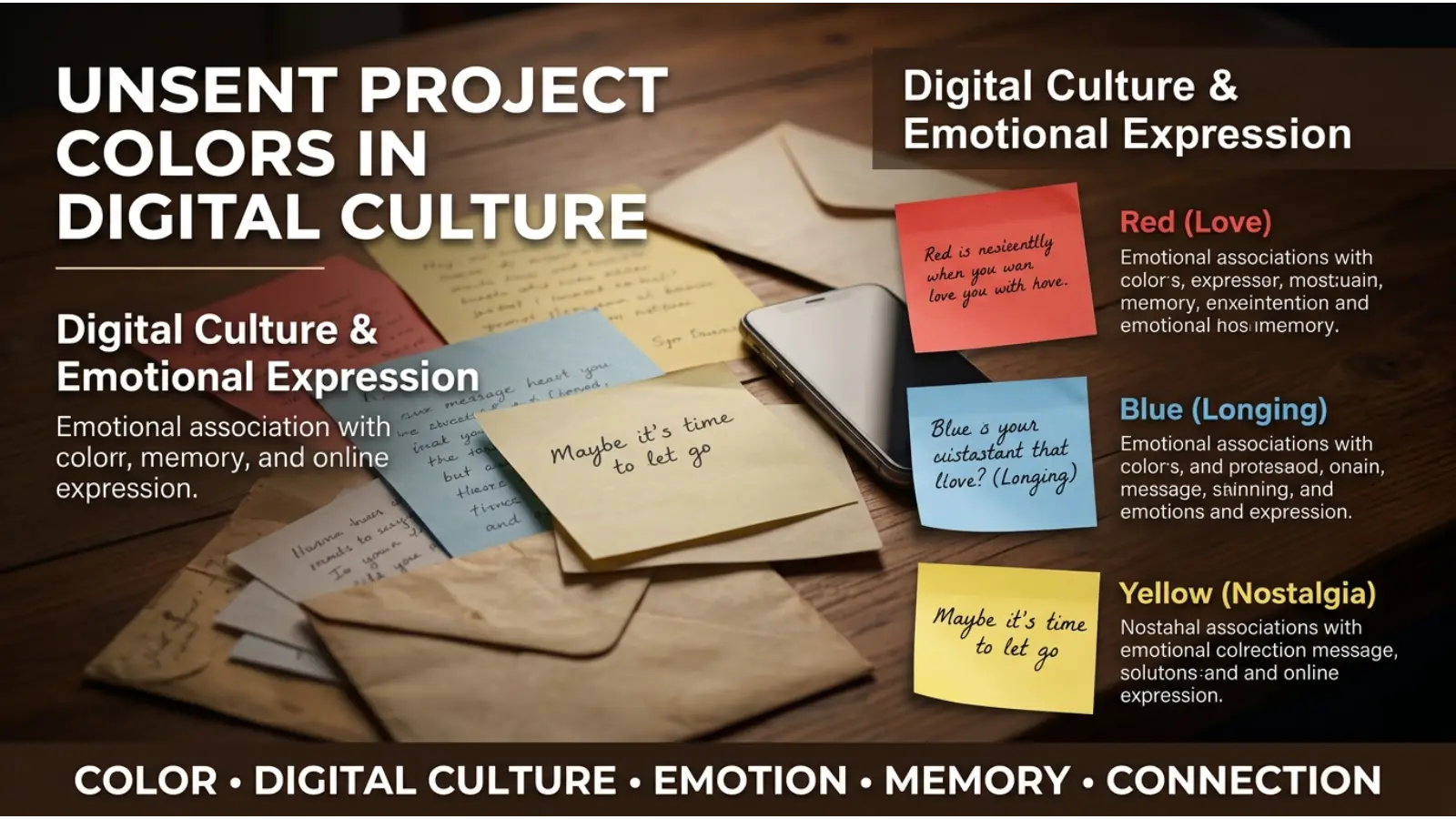
Unsent Project Color Meanings in Digital Culture
The project fits naturally into an internet culture where people use short-form text, anonymous posts, screenshots, and visual aesthetics to express emotions.
Color makes those expressions easier to recognize and share visually.
This also explains why discussions of the project often extend beyond the original messages. People become interested in:
- Color charts
- Name searches
- Emotional interpretations
- Relationship memories
- Anonymous confessions
- Social media discussions
- Personal color associations
The visual format turns individual messages into a larger collection of emotional experiences.
How to Choose a Color for Your Own Unsent Message
If you are writing an unsent message and need to choose a color, there is no need to search for a “correct” answer.
Instead, ask yourself:
What color do I naturally associate with this person?
Then think about why.
Maybe it reminds you of their clothes.
Maybe it represents how they made you feel.
They Maybe it reminds you of a place you visited together.
Maybe it simply captures the mood of the message.
That personal connection is more meaningful than following an internet chart.
Unsent Project Color Meanings at a Glance
| Color | Common Associations | Possible Emotional Mood |
|---|---|---|
| 🔴 Red | Love, passion, anger | Intense |
| 🩷 Pink | Romance, tenderness, affection | Soft |
| 🟠 Orange | Energy, adventure, warmth | Lively |
| 🟡 Yellow | Joy, warmth, memories | Bright |
| 🟢 Green | Growth, hope, healing, jealousy | Changing |
| 🔵 Blue | Longing, sadness, calm | Quiet |
| 🟣 Purple | Mystery, depth, nostalgia | Complex |
| ⚫ Black | Grief, loss, endings | Heavy |
| ⚪ White | Peace, clarity, innocence | Calm |
| 🩶 Gray | Uncertainty, mixed feelings | Ambiguous |
| 🟤 Brown | Stability, familiarity | Grounded |
Frequently Asked Questions
What do the colors mean in The Unsent Project?
The colors represent personal associations chosen by contributors. There is no universal official meaning for every color. Common interpretations connect red with passion, blue with longing, pink with tenderness, yellow with warmth, green with growth, purple with depth, and black with grief.
What does red mean in The Unsent Project?
Red is commonly interpreted as love, passion, desire, anger, or intense emotion. However, the exact meaning depends on why the contributor selected red.
What does blue mean in The Unsent Project?
Blue is often associated with sadness, longing, calmness, distance, and reflection. It can also have a completely personal meaning for the person who chose it.
What does pink mean in The Unsent Project?
Pink is commonly associated with tenderness, affection, romance, innocence, and vulnerability. It can suit gentle or deeply personal memories.
What does yellow mean in The Unsent Project?
Yellow is often connected with happiness, warmth, optimism, friendship, and nostalgia. A yellow message can also feel bittersweet when it describes a happy memory that has ended.
What does green mean in The Unsent Project?
Green may suggest growth, healing, hope, renewal, or jealousy. Its meaning can change significantly depending on the message and the writer’s personal association.
What does purple mean in The Unsent Project?
Purple is commonly interpreted as mystery, emotional depth, nostalgia, individuality, or complicated feelings. It can suit relationships that were difficult to define.
What does black mean in The Unsent Project?
Black is often associated with grief, loss, heartbreak, darkness, seriousness, or endings. These are interpretations rather than fixed official meanings.
Is there an official Unsent Project color chart?
There is not a universal official dictionary assigning one fixed emotion to every color. Many online charts provide common interpretations, but contributors choose colors according to their own associations.
Can an Unsent Project message prove someone still loves you?
No. The color cannot prove who wrote a message or what someone currently feels. Because submissions are anonymous, a message found under a name should not automatically be assumed to have been written by the person you are thinking about.
Final Thoughts
The most interesting thing about The Unsent Project color meanings is that the colors do not need to have one permanent definition.
Red can be love or anger. Blue can be sadness or peace. Green can represent healing or jealousy. Yellow can capture happiness while also carrying the sadness of losing it. Purple can express feelings that are too complicated to describe with a single word.
That flexibility is part of what makes the project meaningful.
A color chart can provide a useful starting point, but the real story is found in the combination of color, words, memory, and personal experience. The person who submitted the message is the one who gives that color its deepest meaning.
In the end, the colors are not a secret code to decode. They are another language for feelings that someone once wanted to express but never sent.

Emma Wilson is a dedicated comparison writer and product researcher at ColorMystiic.com. She specializes in creating unbiased product comparisons, detailed reviews, and helpful buying guides. Her goal is to help readers make smarter purchasing decisions with confidence.