Roses are more than beautiful flowers. Their colors can express love, friendship, gratitude, admiration, sympathy, and many other emotions without saying a word. Understanding specific rose colors helps you choose the right flowers for birthdays, weddings, anniversaries, apologies, and other meaningful moments.
However, a rose does not have one fixed meaning. A red rose often represents romantic love, while a yellow rose commonly expresses friendship and happiness. Meanwhile, white roses can symbolize purity, remembrance, or new beginnings. The meaning may change according to culture, personal experience, the occasion, and the relationship between the giver and receiver.
This guide explores the symbolism, emotional associations, cultural interpretations, and practical uses of different rose colors. It also includes a colorful rose meaning chart to help you select flowers with confidence.
Quick Answer: What Do Different Rose Colors Mean?
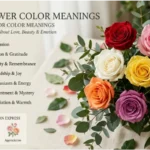
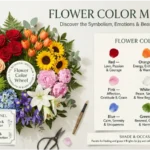
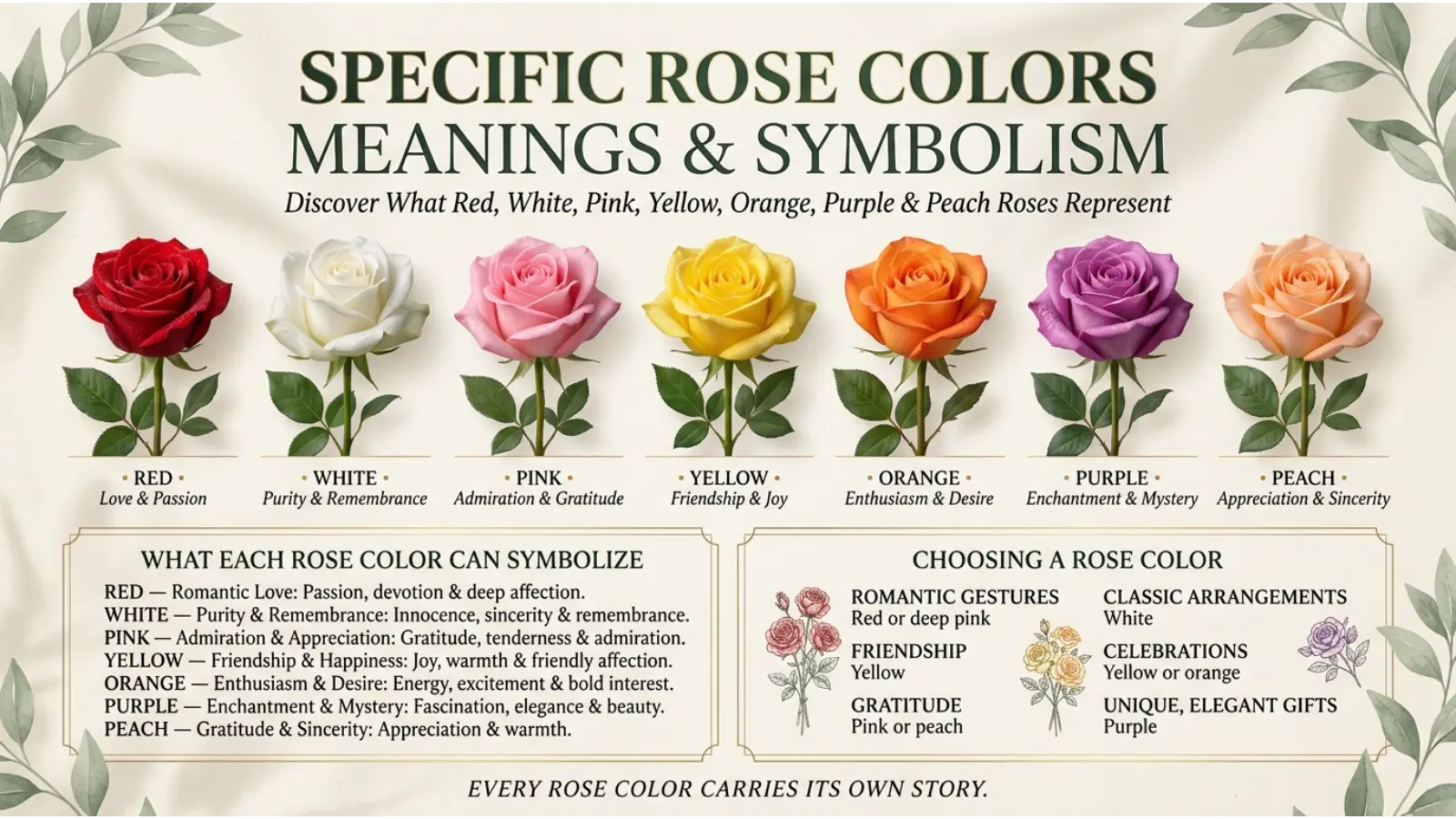
Specific rose colors communicate different emotions and messages. Red roses usually symbolize romantic love, pink roses express admiration and appreciation, yellow roses represent friendship, and white roses suggest purity or remembrance. Orange roses convey enthusiasm, lavender roses suggest enchantment, and peach roses express gratitude. Blue and black roses often represent mystery, uniqueness, or farewell, although their meanings depend on context.
Colorful Rose Colors and Meanings Chart
The following chart provides a quick overview of common rose colors, their symbolic meanings, and occasions when they may be suitable.
| Rose color | Color swatch | Common meanings | Best occasions |
|---|---|---|---|
| Red | 🟥 | Love, passion, romance | Anniversaries, Valentine’s Day |
| Pink | 🟥 | Admiration, appreciation, tenderness | Birthdays, thank-you gifts |
| White | ⬜ | Purity, peace, remembrance | Weddings, memorials |
| Yellow | 🟨 | Friendship, joy, warmth | Celebrations, friendly gifts |
| Orange | 🟧 | Enthusiasm, energy, fascination | Achievements, encouragement |
| Peach | 🟧 | Gratitude, sincerity, appreciation | Thank-you gifts, celebrations |
| Lavender | 🟪 | Enchantment, elegance, fascination | Romantic gestures, special events |
| Purple | 🟪 | Luxury, mystery, dignity | Formal gifts, celebrations |
| Blue | 🟦 | Mystery, uniqueness, the unattainable | Artistic gifts, unusual arrangements |
| Green | 🟩 | Renewal, growth, harmony | New beginnings, encouragement |
| Black | ⬛ | Mystery, endings, transformation | Gothic themes, symbolic gifts |
| Burgundy | 🟥 | Deep affection, richness, commitment | Romantic occasions |
| Coral | 🟧 | Warmth, excitement, enthusiasm | Birthdays, congratulations |
| Cream | 🟨 | Grace, thoughtfulness, elegance | Weddings, appreciation |
| Rainbow | 🌈 | Diversity, joy, creativity | Pride celebrations, cheerful gifts |
These are common symbolic associations, not universal rules. Natural varieties, dyed flowers, cultural traditions, and personal preferences can change the message.
1. Red Rose Meaning: Love and Passion
Color meaning: Romantic love, desire, devotion, and commitment
Red roses are among the most widely recognized symbols of romantic love. Their rich color creates a strong visual impression, which makes them popular for expressing deep affection and passionate feelings.
Furthermore, red roses can communicate commitment rather than attraction alone. A bouquet given on an anniversary may celebrate a lasting relationship, while a single red rose can serve as a simple romantic gesture.
When should you give red roses?
- Valentine’s Day and anniversaries
- Romantic proposals and special dates
- Celebrations of a long-term relationship
- A heartfelt expression of affection
However, red roses are not always the best choice for every relationship. If you want to thank a colleague or celebrate a friend’s achievement, yellow, peach, or pink roses may communicate your intentions more clearly.
2. Pink Rose Meaning: Admiration and Appreciation
Color meaning: Admiration, gratitude, kindness, and tenderness
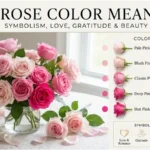
Pink roses often express affection in a softer, gentler way than red roses. They are associated with appreciation, grace, and caring feelings, making them suitable for romantic partners, relatives, friends, and mentors.
Light pink roses can suggest sweetness and gentleness. By contrast, deeper pink shades often convey stronger admiration and appreciation.
For example, a bouquet of pink roses can thank someone for their support without creating the intense romantic impression that red roses might produce.
When are pink roses appropriate?
- Mother’s Day and family celebrations
- Birthday gifts for friends
- Thank-you bouquets
- Congratulations and professional appreciation
- Romantic occasions when a softer message feels right
Ultimately, pink roses offer a flexible way to express care without making the gesture exclusively romantic.
3. White Rose Meaning: Purity and New Beginnings
Color meaning: Purity, peace, sincerity, remembrance, and fresh starts
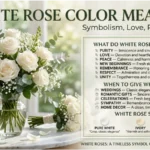
White roses are often linked with innocence, honesty, and peaceful intentions. Their clean appearance also makes them popular for weddings, where they may represent a fresh beginning or a sincere commitment.
Nevertheless, white roses can carry a more reflective meaning in other settings. At memorial services, they may express remembrance, respect, and sympathy. Therefore, the occasion matters just as much as the flower itself.
Popular uses of white roses
- Weddings and engagement celebrations
- Sympathy and memorial arrangements
- Religious or formal ceremonies
- Gifts celebrating a new chapter in life
White roses also pair naturally with green foliage, cream flowers, and pale pink blooms. These combinations create an understated arrangement that feels calm and elegant.
4. Yellow Rose Meaning: Friendship and Happiness
Color meaning: Friendship, joy, optimism, and warmth
Yellow roses are widely associated with friendship and happiness. Their bright appearance makes them a cheerful choice when you want to celebrate someone without emphasizing romantic love.
For instance, yellow roses can congratulate a friend on a new job, brighten someone’s birthday, or show appreciation for a supportive relationship.
Historically, the meanings attached to yellow roses have not always been consistent. Some older flower-language traditions associated them with jealousy or a decline in affection. Today, however, friendship and cheerfulness are common interpretations in many modern gifting contexts.
Best occasions for yellow roses
- Celebrating friendship
- Birthdays and graduations
- Welcoming someone home
- Sending encouragement
- Brightening a difficult day
If your intention is to express romantic commitment, red or burgundy roses may communicate that message more directly. However, yellow roses remain an excellent choice for celebrating the happiness that comes from friendship.
5. Orange Rose Meaning: Enthusiasm and Fascination
Color meaning: Energy, enthusiasm, attraction, and excitement
Orange roses combine the warmth associated with yellow and the intensity commonly associated with red. As a result, they can symbolize fascination, excitement, and a growing attraction.
Their bold color also communicates confidence and celebration. Consequently, orange roses work well when you want a bouquet to feel lively rather than delicate or formal.
When should you choose orange roses?
- Congratulating someone on an achievement
- Celebrating a new relationship
- Expressing admiration and enthusiasm
- Giving an energetic birthday bouquet
Orange roses are especially effective in arrangements with cream, yellow, peach, or deep red flowers. These combinations add warmth while keeping the bouquet visually balanced.
6. Peach Rose Meaning: Gratitude and Sincerity
Color meaning: Appreciation, sincerity, gratitude, and warmth
Peach roses have a soft, welcoming appearance. They are often chosen to communicate appreciation, making them useful when words alone do not feel sufficient.
Unlike a strong red rose, a peach rose can express affection without emphasizing passion. It can also convey a thoughtful, respectful message in personal and professional relationships.
Occasions for peach roses
- Thanking a friend or colleague
- Celebrating a personal achievement
- Expressing appreciation to a family member
- Creating an elegant wedding bouquet
Peach roses work beautifully with cream, white, blush pink, and sage green. Together, these colors create a gentle palette that suits both modern and traditional arrangements.
7. Lavender Rose Meaning: Enchantment and Fascination
Color meaning: Enchantment, elegance, wonder, and fascination
Lavender roses often suggest something unusual or captivating. Their pale purple color gives them a dreamy appearance, which can make them suitable for expressing fascination or celebrating a distinctive personality.
In romantic settings, lavender roses may communicate that someone has caught your attention in a special way. They can also serve as elegant gifts for people who appreciate unusual flower colors.
Lavender roses are suitable for
- Romantic gestures and thoughtful surprises
- Birthdays and milestone celebrations
- Elegant floral arrangements
- Gifts for someone who enjoys distinctive colors
Lavender and white roses create a graceful combination, while lavender and dark purple blooms produce a richer, more dramatic appearance.
8. Purple Rose Meaning: Luxury and Mystery
Color meaning: Dignity, luxury, mystery, and imagination
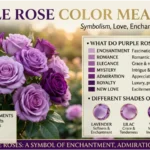
Purple roses are associated with richness, creativity, and elegance. Historically, purple dyes could be expensive to produce, helping establish associations between purple shades, status, and luxury in some societies.
Purple roses may also communicate fascination or admiration. Depending on the shade, they can feel romantic, dramatic, regal, or artistic.
How to use purple roses
Choose deep purple roses for a dramatic arrangement or pale purple roses for a softer look. Pair them with white flowers to create contrast, or combine them with pink roses for a romantic palette.
Purple roses are especially useful for formal events, distinctive gifts, and arrangements designed to feel luxurious.
9. Blue Rose Meaning: Mystery and the Unattainable
Color meaning: Mystery, uniqueness, imagination, and the impossible
Blue roses have a distinctive symbolic appeal because naturally occurring roses do not produce the true blue color that people often imagine. Breeding and biotechnology have produced roses with altered pigmentation, while many intensely blue roses sold by florists are dyed.
This unusual appearance has helped blue roses become symbols of mystery, rare beauty, and something difficult to obtain.
What do blue roses communicate?
- Individuality and originality
- Mystery and imagination
- The pursuit of an ambitious dream
- Admiration for something unusual
Blue roses are useful for artistic gifts and unconventional floral arrangements. However, because their color is often created artificially, it is worth checking with a florist if you prefer naturally colored flowers.
10. Green Rose Meaning: Growth and Renewal
Color meaning: Renewal, harmony, fertility, and growth
Green roses are unusual compared with familiar red, pink, and white varieties. Their color connects them with plant life and nature, making growth and renewal natural symbolic associations.
A green rose arrangement may celebrate a fresh start, a personal achievement, or a hopeful change. It can also appeal to someone who prefers unconventional floral designs.
Best occasions for green roses
- Celebrating a new opportunity
- Marking a fresh start
- Gifts for nature lovers
- Modern and botanical arrangements
Green roses pair well with white, cream, and pale pink flowers. Since green is already common in foliage, using green roses sparingly can make their unusual appearance stand out.
11. Black Rose Meaning: Mystery, Endings, and Transformation
Color meaning: Mystery, farewell, rebellion, and transformation
Black roses are often associated with mystery, dramatic change, and endings. They appear frequently in gothic art, literature, fantasy, and alternative fashion because their dark appearance creates a striking visual effect.
A black rose can represent the end of one chapter and the beginning of another. In other contexts, it may communicate rebellion, individuality, mourning, or a fascination with the mysterious.
True black rose petals are not generally available as a naturally occurring, pure black color. Florists may use very dark burgundy varieties or dyed flowers to create the effect.
When are black roses appropriate?
- Gothic or alternative-themed events
- Dramatic artistic arrangements
- Symbolic gifts about personal change
- Fantasy-inspired celebrations
Because black roses can suggest mourning or farewell, consider the recipient’s preferences before giving them in a sensitive situation.
12. Burgundy Rose Meaning: Deep Affection and Commitment
Color meaning: Deep affection, devotion, richness, and sophistication
Burgundy roses offer a darker, more understated alternative to bright red roses. Their wine-like color often suggests mature affection, elegance, and emotional depth.
They are suitable for romantic occasions when you want a bouquet to feel refined rather than bright or playful.
Burgundy roses also work well in autumn and winter arrangements. Combine them with cream flowers, dark greenery, or muted gold accents for a rich and sophisticated look.
13. Coral Rose Meaning: Excitement and Warmth
Color meaning: Enthusiasm, attraction, energy, and celebration
Coral roses sit between pink and orange, giving them a warm and lively appearance. They can express excitement, admiration, or appreciation while feeling more playful than a deep red bouquet.
Their versatility makes them useful for celebrations where a cheerful but polished gift is appropriate.
Try coral roses with peach, cream, or pale yellow flowers. The resulting arrangement feels bright and welcoming without relying on a single strong color.
14. Cream Rose Meaning: Grace and Thoughtfulness
Color meaning: Elegance, sincerity, thoughtfulness, and calm
Cream roses offer a warmer alternative to pure white. Their soft ivory tones often feel traditional, graceful, and understated.
They are popular in wedding arrangements because they complement many other colors without overwhelming them. Cream roses can also express appreciation in a quiet, elegant way.
Pair cream roses with burgundy flowers for contrast, blush pink for softness, or greenery for a natural appearance.
15. Rainbow Rose Meaning: Joy and Creativity
Color meaning: Diversity, creativity, celebration, and individuality
Rainbow roses display multiple colors on the same flower, creating an expressive and playful appearance. Many commercially sold rainbow roses are made by introducing different dyes into the stem so that the petals develop different colors.
Their meaning comes largely from the combined effect of their colors rather than from one established tradition.
Rainbow roses can suit birthdays, creative celebrations, and gifts for people who enjoy bold designs. They may also be used in events celebrating diversity and individuality, depending on the occasion.
However, rainbow roses are not a universal symbol for any particular movement. If you want to communicate a specific message, consider the event and the recipient’s understanding of the colors.
How Rose Color Changes the Meaning of a Bouquet
A bouquet can communicate a more detailed message when different rose colors are combined. Nevertheless, there is no universal code that assigns one fixed meaning to every combination.
The examples below show how common associations can work together.
| Color combination | Possible message | Visual effect |
|---|---|---|
| Red + white | Love and sincerity | Classic, high contrast |
| Pink + white | Tenderness and appreciation | Soft and graceful |
| Yellow + orange | Friendship and enthusiasm | Bright and energetic |
| Lavender + white | Enchantment and elegance | Calm and refined |
| Burgundy + cream | Deep affection and sophistication | Rich and formal |
| Coral + peach | Warmth and celebration | Cheerful and welcoming |
| Green + white | Renewal and harmony | Fresh and natural |
| Blue + purple | Mystery and individuality | Dramatic and imaginative |
For a romantic bouquet, red and white can create a classic appearance. For a friendly gift, yellow and peach offer a warmer, more relaxed message. Meanwhile, cream and burgundy are particularly effective for formal occasions.
The number of roses, their arrangement, and the accompanying card can also affect how the gift is understood.
How to Choose Rose Colors for Different Occasions
The best rose color depends on what you want the recipient to feel. Therefore, start with your message rather than choosing a color simply because it looks attractive.
| Occasion | Recommended rose colors | Why they work |
|---|---|---|
| Valentine’s Day | Red, pink | Romance and affection |
| Wedding | White, cream, blush pink | New beginnings and elegance |
| Birthday | Pink, yellow, coral | Happiness and appreciation |
| Friendship gift | Yellow, peach | Warmth and gratitude |
| Anniversary | Red, burgundy | Love and commitment |
| Graduation | Yellow, orange | Achievement and enthusiasm |
| Sympathy | White, cream | Peace and remembrance |
| Thank-you gift | Peach, pink | Appreciation and sincerity |
| Artistic celebration | Blue, purple, rainbow | Originality and creativity |
| Fresh start | Green, white | Growth and renewal |
These are recommendations, not strict rules. If someone loves purple roses, for example, a purple bouquet may be more meaningful than a traditional red one.
Why Rose Colors Influence Our Feelings
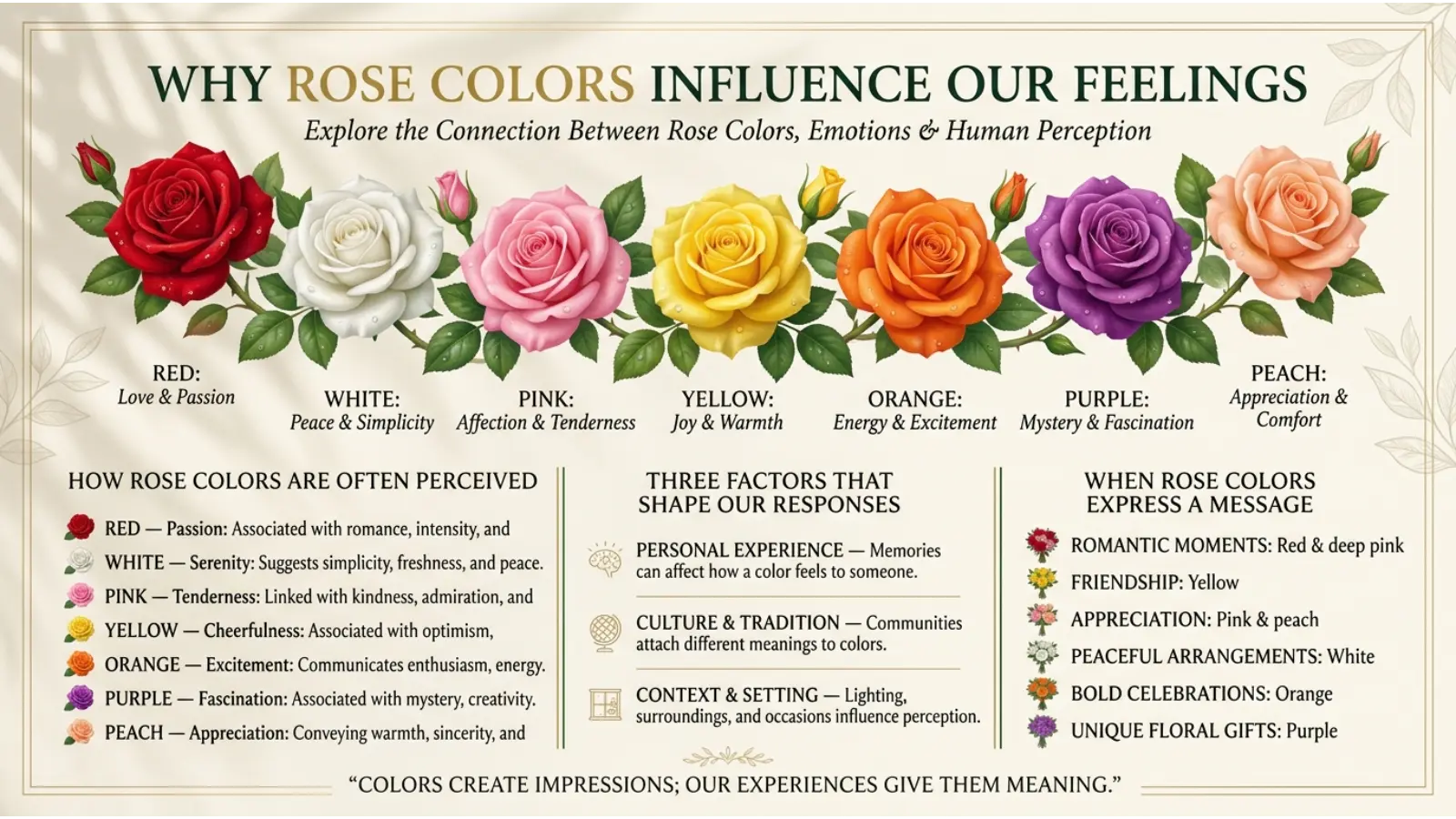
Color affects how people interpret what they see, but it does not produce the same emotional response in everyone. Rose colors work through a combination of visual appearance, learned associations, personal memories, and social traditions.
The role of color psychology
Bright colors often attract attention, while darker shades can create a more dramatic appearance. Warm colors such as red, orange, and yellow may feel energetic, whereas pale colors can appear gentle or understated.
However, these responses depend on context. A bright yellow rose may feel cheerful to one person but remind another of a meaningful event. The color itself does not determine the emotion.
The role of personal experience
Someone who received red roses during an important anniversary may associate them with lasting love. Another person might connect yellow roses with a close friend or a family tradition.
As a result, personal memories can be just as influential as widely recognized symbolism.
The importance of cultural context
Flower meanings differ across cultures and historical periods. Even within one country, families and communities may interpret a rose differently.
For that reason, consider the recipient’s background and preferences when choosing flowers for weddings, funerals, religious events, or formal ceremonies.
Rose Colors in Weddings and Interior Design
Rose colors can influence the atmosphere of a room or event. Their effect comes from the way the flower color interacts with lighting, fabrics, furniture, and surrounding colors.
Wedding color palettes
White and cream roses suit traditional wedding designs, while blush pink creates a softer romantic look. Burgundy roses can add depth to autumn arrangements, and lavender roses can introduce a delicate accent.
For a balanced bouquet, choose one main color, one supporting color, and a small amount of greenery or a contrasting shade.
Home decoration
Roses can also add color to living rooms, dining areas, and bedrooms.
- Red roses: Create a bold centerpiece for a special dinner.
- Pink roses: Add a gentle accent to a bedroom or sitting area.
- White roses: Suit simple, uncluttered spaces.
- Yellow roses: Bring a bright touch to kitchens and dining rooms.
- Purple roses: Add richness to formal rooms or creative spaces.
Keep the arrangement proportional to the room. A large bouquet can dominate a small table, whereas a few carefully arranged roses may be enough to create the intended effect.
How lighting changes rose colors
Natural daylight, warm indoor bulbs, and cool LED lights can make the same rose appear different. Cream petals may look more yellow under warm lighting, while purple petals can appear cooler under certain LEDs.
If you are choosing flowers for a wedding or photograph, inspect them under lighting similar to the final setting. This simple step helps prevent unexpected color differences.
Rose Colors in Branding, Photography, and Marketing
Rose colors can communicate visual themes in business and creative work. Their symbolism is not a guaranteed way to influence customer behavior, but it can help establish a consistent visual identity.
Branding and packaging
Red roses can suggest romance or passion, which may suit Valentine’s Day products and gifts. Pink roses can support a gentle or caring brand identity, while white roses may communicate simplicity and elegance.
Purple roses can create a sense of luxury or individuality. Yellow roses may be suitable for cheerful campaigns, especially those related to celebrations and personal gifts.
Still, a brand should consider its audience, product, and overall design. A color that works for a luxury florist may not be the best choice for a budget-friendly flower delivery service.
Photography and visual storytelling
Photographers often use rose colors to support a scene’s mood. Deep red roses can make a romantic portrait feel intense, while pale pink roses may suit a soft, natural composition.
Similarly, a dark rose against a light background creates strong contrast, helping the flower become the main subject. A pale rose against a similar background produces a quieter, more delicate effect.
Common Misconceptions About Rose Color Meanings
Several popular beliefs about rose symbolism need a little context.
Myth 1: Every rose color has one fixed meaning.
Reality: Rose symbolism varies with culture, personal experience, occasion, and the relationship between people.
Myth 2: Yellow roses always mean jealousy.
Reality: Although jealousy appears in some historical flower-language traditions, yellow roses commonly represent friendship and happiness in modern gifting.
Myth 3: Black roses grow naturally in pure black.
Reality: Many flowers marketed as black roses are actually very dark red or burgundy varieties, or they have been dyed.
Myth 4: Blue roses are always naturally blue.
Reality: Intensely blue florist roses are often dyed. Some specially developed varieties have unusual pigmentation, but a naturally occurring, truly blue rose remains unavailable in the ordinary sense.
Myth 5: Giving red roses always means romantic love.
Reality: Red roses strongly suggest romance in many settings, but their meaning can change in artistic displays, cultural ceremonies, or other symbolic contexts.
Myth 6: A person’s favorite rose color reveals their personality.
Reality: Color preferences may reflect taste, memories, fashion, or personal experiences. They cannot reliably determine someone’s character.
Frequently Asked Questions About Specific Rose Colors
1. What is the most romantic rose color?
Red is the most widely recognized rose color for romantic love and passion. However, pink, lavender, and burgundy roses can also express affection, depending on the relationship and occasion.
2. Which rose color means friendship?
Yellow roses are commonly associated with friendship, happiness, and positive feelings. Peach roses can also express warmth and appreciation.
3. What do pink and white roses mean together?
Pink and white roses can suggest tenderness, admiration, sincerity, and grace. They are popular for weddings, family celebrations, and thoughtful gifts.
4. What rose color means new beginnings?
White and green roses are often associated with new beginnings. White can symbolize a fresh start, while green connects with growth and renewal.
5. What does a purple rose mean in love?
A purple rose can symbolize fascination, enchantment, or admiration. Lavender roses are especially suitable when you want to express that someone feels unusual or captivating to you.
6. Are black roses a symbol of death?
Black roses may represent mourning, endings, or farewell in some contexts. However, they can also symbolize transformation, individuality, mystery, and rebellion.
7. What is the rarest rose color?
Blue roses are among the most unusual colors because roses do not naturally produce the strong blue pigment people typically expect. Their striking appearance often comes from dyeing or specially developed varieties.
8. Can I give yellow roses to my partner?
Yes. Yellow roses can celebrate happiness, friendship, and shared experiences within a romantic relationship. If you want to emphasize passion or commitment, you could combine yellow roses with red or pink ones.
9. Do rose colors have spiritual meanings?
Some spiritual and symbolic traditions associate roses with love, devotion, purity, transformation, or renewal. However, interpretations differ across traditions, and there is no single universal spiritual meaning for every rose color.
10. How do I choose the right rose color for a gift?
Begin by deciding what you want to communicate. Choose red for romance, yellow for friendship, pink for appreciation, white for peace or a fresh start, and peach for gratitude. If you are unsure, consider the recipient’s favorite color and the occasion.
Conclusion
Specific rose colors provide a thoughtful way to express emotions, celebrate relationships, and create meaningful floral arrangements. Red roses commonly represent love, pink roses express admiration, yellow roses celebrate friendship, and white roses suggest purity or remembrance. Meanwhile, orange, peach, lavender, purple, blue, green, black, and other rose colors offer additional ways to communicate personality, creativity, gratitude, or change.
Nevertheless, color symbolism is flexible rather than universal. The recipient’s preferences, cultural background, and the occasion can all influence the message. By considering these details, you can choose roses that look beautiful and feel meaningful to the person receiving them.

Emma Wilson is a dedicated comparison writer and product researcher at ColorMystiic.com. She specializes in creating unbiased product comparisons, detailed reviews, and helpful buying guides. Her goal is to help readers make smarter purchasing decisions with confidence.