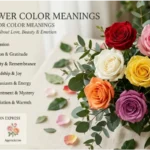
Flowers have been used for centuries to express feelings that words sometimes cannot describe. A red rose can communicate love, a white lily can suggest purity, and a yellow sunflower can bring thoughts of happiness and warmth. The meaning of a flower is often shaped not only by its type but also by its color.People search for different color flower meanings because choosing the right flower can make a message more personal.
A bouquet for love, sympathy, celebration, friendship, or healing can create a completely different impression depending on the colors included.Flower color meanings come from a mixture of cultural traditions, symbolism, human emotions, nature, and personal experiences. While some associations are widely recognized, meanings can change across countries, religions, and individual beliefs.
In this guide, you will learn how flower colors influence emotions, what different colors symbolize, their cultural meanings, and how to choose flower colors for gifts, decoration, branding, and everyday life.
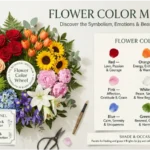
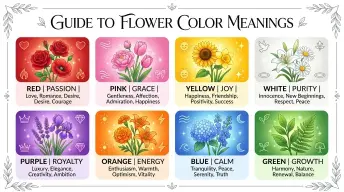
Quick Answer: Different flower colors carry different symbolic meanings. Red flowers often represent love and passion, white flowers symbolize purity and peace, yellow flowers suggest happiness and friendship, pink flowers express affection and gratitude, purple flowers represent elegance and spirituality, and blue flowers are connected with calmness and mystery.
What Do Different Flower Colors Symbolize?
Flower colors act like a visual language. Before a person smells a flower or reads a card attached to a bouquet, the color creates an emotional impression.
However, flower meanings are not fixed rules. A red flower may represent romance in one situation but courage or celebration in another. The occasion, relationship, and cultural background all influence the message.
Red Flowers: Love, Passion, and Strength
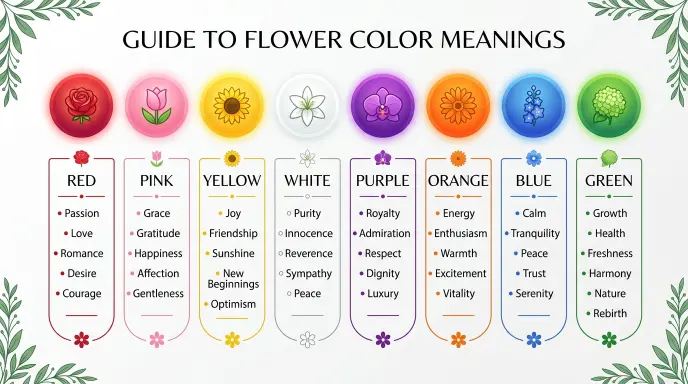
Red is one of the strongest flower colors emotionally. It is commonly connected with romance, deep affection, desire, and confidence.
Popular red flowers include roses, tulips, carnations, and poppies. Red roses especially have become a worldwide symbol of romantic love.
Positive meanings of red flowers:
- Love and devotion
- Passion
- Courage
- Energy
- Respect
Possible alternative meanings:
- Intensity
- Strong emotions
- Dramatic expression
Pink Flowers: Affection, Kindness, and Grace
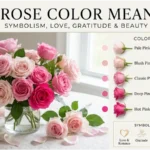
Pink flowers create a softer emotional message than red flowers. They are often associated with tenderness, appreciation, and gentle affection.
Common pink flowers include peonies, cherry blossoms, roses, and lilies.
Pink flower meanings often include:
- Friendship
- Gratitude
- Compassion
- Happiness
- Sweetness
Pink flowers are popular gifts because they can express care without feeling overly romantic. They are often suitable for birthdays, thank-you gifts, celebrations, and supportive messages.
White Flowers: Purity, Peace, and New Beginnings
White flowers have long been associated with simplicity, innocence, and peace. Their clean appearance creates a feeling of freshness and calm.
Examples include white lilies, daisies, orchids, and roses.
White flower symbolism includes:
- Purity
- Respect
- Peace
- Spiritual reflection
- Fresh starts
The meaning can change depending on culture. In some places, white represents celebration and purity, while in others it may be strongly connected with mourning and remembrance.
Yellow Flowers: Happiness, Friendship, and Optimism
Yellow flowers bring a bright and energetic feeling. They are often linked with sunshine, warmth, and positive emotions.
Examples include sunflowers, yellow roses, daffodils, and tulips.
Yellow flower meanings include:
- Joy
- Friendship
- Hope
- Success
- Positive energy
Yellow flowers are excellent choices for encouraging someone, celebrating achievements, or adding cheerful energy to a space.
Historically, yellow flowers have sometimes had mixed meanings. For example, certain cultures have connected yellow with jealousy or caution, showing that symbolism depends heavily on context.
Orange Flowers: Creativity, Energy, and Enthusiasm
Orange combines the warmth of yellow with the intensity of red. It creates a feeling of excitement and movement.
Orange flowers such as marigolds, lilies, and tulips often symbolize:
- Creativity
- Confidence
- Adventure
- Enthusiasm
- Celebration
Purple Flowers: Royalty, Wisdom, and Spiritual Connection
The Purple has historically been connected with luxury and royalty because some purple dyes were once rare and expensive.
Purple flowers often symbolize:
- Elegance
- Mystery
- Wisdom
- Imagination
- Spiritual growth
Examples include lavender, violets, orchids, and irises.
Purple flowers work well when someone wants to give a gift that feels unique, artistic, or sophisticated.
Blue Flowers: Calmness, Trust, and Mystery
Blue flowers are less common in nature, which can make them feel special and unusual.
They are often connected with:
- Peace
- Loyalty
- Trust
- Calmness
- Imagination
Examples include blue hydrangeas, forget-me-nots, and delphiniums.
Green Flowers: Growth, Renewal, and Balance
Green flowers represent the natural world and are strongly connected with life and renewal.
Their meanings include:
- Growth
- Health
- Harmony
- Freshness
- Balance
Black Flowers: Mystery and Transformation
True black flowers are rare, and many flowers described as black are actually very dark shades of purple, red, or brown.
Black flower symbolism can include:
- Mystery
- Elegance
- Transformation
- Power
- Farewell
Psychology of Flower Colors
Color psychology studies how colors can influence human perception, emotions, and behavior. While flower color symbolism is often cultural rather than scientifically fixed, colors can still affect how people experience a bouquet or garden.
How Flower Colors Influence Emotions
Bright colors such as yellow and orange often create feelings of energy and excitement. Softer colors like blue, lavender, and pastel pink may create a calmer impression.
The effect depends on:
- Personal memories
- Cultural background
- Surrounding colors
- Lighting conditions
- The situation where flowers appear
A bright red bouquet in a romantic setting may feel passionate, while the same color in a business event may appear bold and energetic.
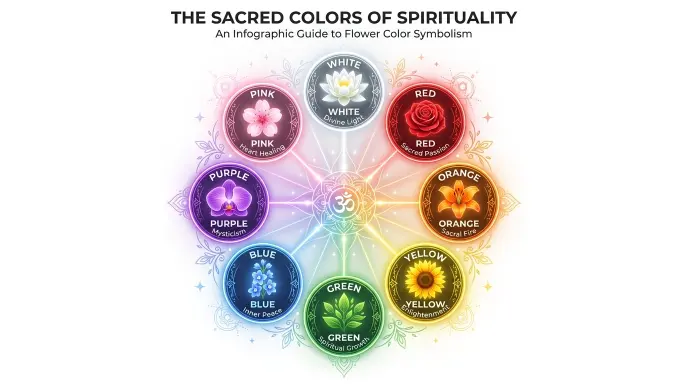
Spiritual Meaning of Flower Colors
Flower colors have spiritual meanings in many traditions, but interpretations vary widely.
White Flowers and Spiritual Peace
White flowers are often used in spiritual ceremonies because they represent purity, reflection, and connection with something greater.
Purple Flowers and Inner Growth
Purple flowers are commonly linked with wisdom, meditation, and transformation in many symbolic systems.
Blue Flowers and Calm Energy
Blue flowers are often associated with peace, communication, and emotional balance.
Spiritual meanings should be understood as cultural and personal interpretations rather than universal facts.
Cultural Meaning of Flower Colors Around the World
Flower symbolism changes across societies. The same color can communicate different messages depending on traditions and history.
Western Cultures
Many Western traditions associate:
- Red flowers with romance
- White flowers with weddings and remembrance
- Yellow flowers with friendship
Eastern Cultures
In some Asian cultures, flowers and colors have deep connections with festivals, spirituality, and social traditions.
For example, white flowers may have stronger associations with mourning in some regions than in Western celebrations.
Middle Eastern and African Traditions
Flower colors are often connected with hospitality, celebrations, beauty, and religious or community events.
Indigenous Traditions
Many Indigenous cultures view flowers as part of a larger relationship with nature. Meanings may come from local plants, seasons, and spiritual beliefs.
Historical Meaning of Flower Colors
Humans have used flowers as symbols throughout history. Ancient civilizations used flowers in ceremonies, art, medicine, and decoration.
During the Victorian era, flowers became especially important as a communication system. People used specific flowers and colors to express emotions that were difficult to say openly.
Over time, these meanings changed as flowers became global products and cultures influenced each other.
Personality Associations With Favorite Flower Colors
People often connect flower colors with personality traits, but color preference does not scientifically determine someone’s character.
Common associations include:
- Pink flower lovers may appear caring and gentle.
- Blue flower lovers may enjoy calm and peaceful environments.
- Purple flower lovers may appreciate creativity and uniqueness.
- Yellow flower lovers may prefer cheerful and energetic spaces.
These are symbolic interpretations, not personality tests.
Flower Colors in Branding and Marketing
Businesses use flower colors to communicate emotions in logos, packaging, advertisements, and events.
Red Flowers in Branding
Red creates strong visual attention and is often used when brands want to appear energetic, passionate, or exciting.
White Flowers in Luxury Branding
White floral designs often communicate elegance, cleanliness, and simplicity.
Green Flowers in Natural Branding
Green floral imagery is common among wellness, eco-friendly, and organic brands because it connects with nature.
Purple Flowers for Premium Identity
Purple can create a feeling of creativity, imagination, and luxury.
Floral colors help brands create emotional connections before customers even read the message.
Flower Colors in Interior Design
Flowers can change the feeling of a room.
Living Room
Warm flowers such as orange, yellow, and red can create a welcoming atmosphere.
Bedroom
Soft colors like white, lavender, and pastel pink can create a relaxing appearance.
Office
Blue, green, or white flowers may create a clean and balanced environment.
Kitchen
Bright flowers can add freshness and energy to cooking spaces.
Lighting also changes flower appearance. A white flower under warm lighting may look cream-colored, while natural daylight shows its true shade.
Flower Colors in Fashion and Personal Style
Flower colors influence clothing, accessories, and event styling.
Romantic Style
Red and pink floral patterns often create a romantic impression.
Elegant Style
White, purple, and dark floral designs can appear sophisticated.
Fresh Summer Style
Yellow, orange, and bright floral colors create a cheerful seasonal look.
Professional Style
Small floral patterns with balanced colors can add personality while remaining polished.
Best Flower Color Combinations
Red and White
Creates a balance between passion and purity.
Pink and White
Suggests softness, kindness, and elegance.
Purple and Yellow
Creates a creative contrast between mystery and happiness.
Blue and White
Creates a peaceful, fresh appearance.
Green With Any Flower Color
Adds a natural foundation and makes other colors stand out.
Common Misconceptions About Flower Color Meanings
Flower Meanings Are Not Universal Rules
A flower color does not have one permanent meaning everywhere.
Color Does Not Replace Personal Thought
A meaningful message matters more than following symbolism perfectly.
Dark Flowers Are Not Always Negative
Black or deep-colored flowers can represent beauty, elegance, and transformation.
Scientific Research Does Not Confirm Every Symbolic Meaning
Many flower meanings come from tradition, art, and cultural storytelling rather than laboratory studies.
Real-World Uses of Flower Color Meanings
Flower colors are used in many areas:
Gift Giving
Choosing the right color can make a gift feel more personal.
Weddings
Couples often select flower colors based on themes, emotions, and cultural traditions.
Photography and Art
Artists use flower colors to create moods and communicate ideas.
Home Decoration
Flower colors help create different emotional environments.
Events and Business
Companies use floral colors to create memorable experiences.
Frequently Asked Questions About Different Color Flower Meanings
What do different flower colors mean?
Different flower colors represent different emotions and ideas. Red often symbolizes love, white represents purity, yellow suggests happiness, pink expresses affection, and purple represents elegance.
Which flower color represents love?
Red flowers are most commonly associated with romantic love and passion, especially red roses.
What color flowers represent friendship?
Yellow flowers are often connected with friendship, happiness, and positive relationships.
What do white flowers symbolize?
White flowers commonly represent purity, peace, respect, and new beginnings.
What flower color represents sadness?
Blue, white, or darker flowers may sometimes be used to express sadness or remembrance, depending on cultural traditions.
Are flower color meanings the same worldwide?
No. Flower symbolism changes between cultures, religions, and personal experiences.
Do flower colors affect emotions?
Colors can influence perception and mood, but emotional responses depend on individual experiences and context.
What flower colors are best for a gift?
The best color depends on the relationship and occasion. Red suits romance, yellow suits friendship, and white or pastel flowers often suit respectful occasions.
Why are flower colors important in design?
Flower colors help designers create specific moods, from calm and peaceful spaces to energetic and joyful environments.
Conclusion
Different color flower meanings show how nature, culture, and human emotions connect through visual symbolism. A flower’s color can communicate love, friendship, peace, celebration, or remembrance before a single word is spoken.
Although flower symbolism is not a strict science, understanding these meanings helps people make more thoughtful choices in gifts, decoration, art, and personal expression.
The next time you choose flowers, consider not only the type of flower but also the color. A simple change in shade can completely transform the message you want to share.

Emma Wilson is a dedicated comparison writer and product researcher at ColorMystiic.com. She specializes in creating unbiased product comparisons, detailed reviews, and helpful buying guides. Her goal is to help readers make smarter purchasing decisions with confidence.