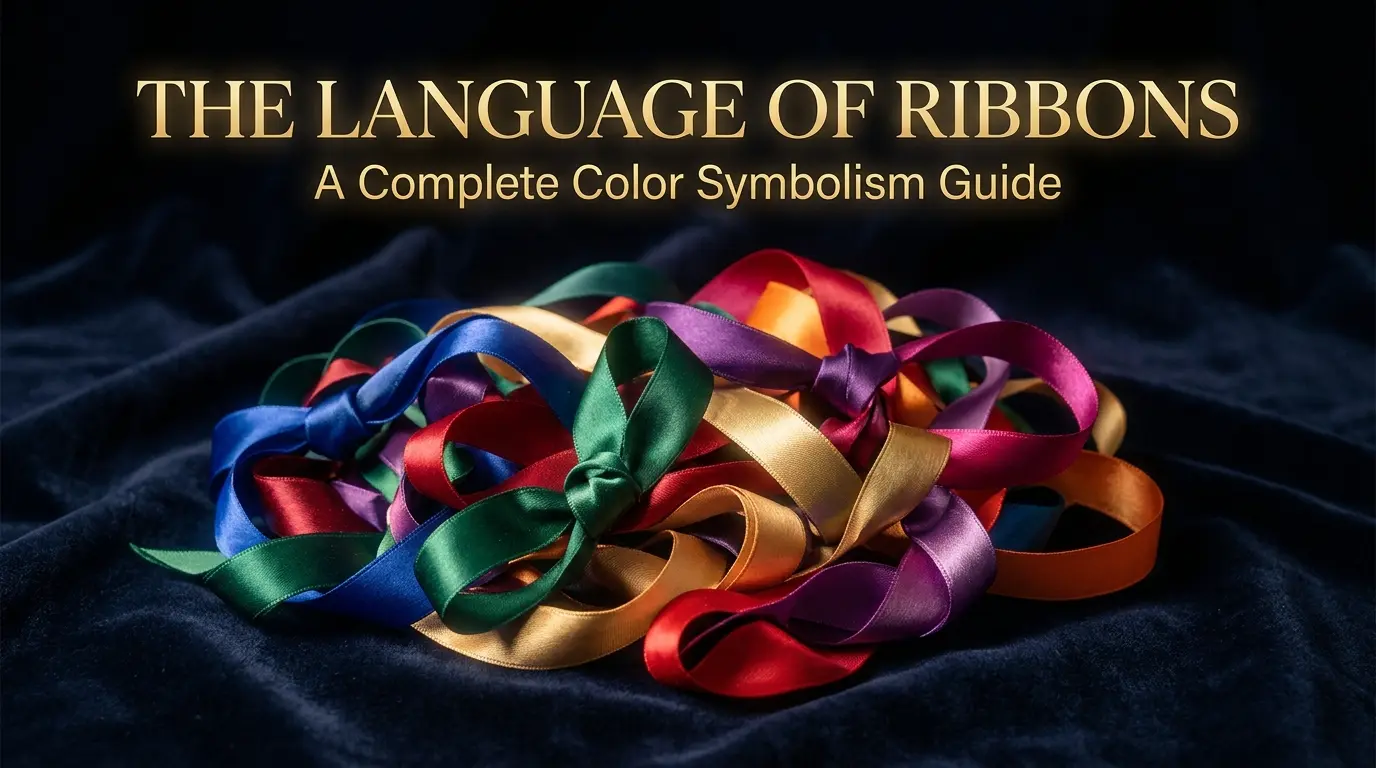
Ribbons are small pieces of fabric, but their colors often carry powerful messages. Across charity campaigns, celebrations, ceremonies, fashion, gifts, and awareness movements, ribbon colors help people communicate emotions and ideas without words.The meaning depends on the situation, culture, and purpose behind the ribbon.People search for a ribbon color meanings list because they want to understand what different ribbon colors represent and how to choose the right color for an event, design, gift, or awareness campaign.
This guide explores ribbon symbolism through psychology, culture, history, branding, fashion, and everyday use.Color meanings are not universal rules. A ribbon’s message changes depending on location, tradition, organization, and personal experience. Readers will learn how ribbon colors influence emotions, why certain colors became symbols, and how to use them effectively.
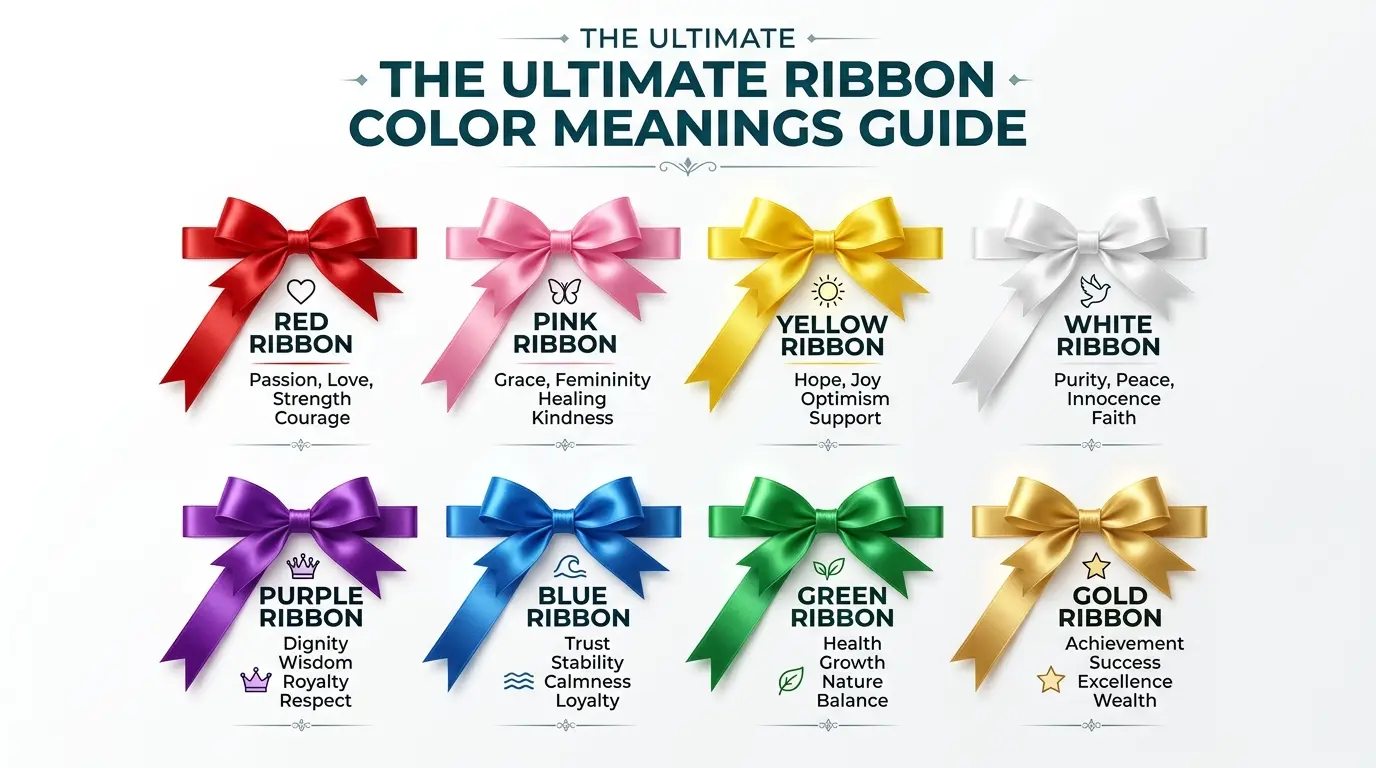
Quick Answer: Ribbon colors represent different emotions, causes, and messages. For example, red often symbolizes love and courage, pink represents care and awareness, blue suggests trust and support, purple represents strength and dignity, and white symbolizes peace and remembrance.
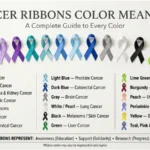
Ribbon Color Meanings Chart
| Ribbon Color | Common Meaning | Emotional Association | Common Uses |
|---|---|---|---|
| Red Ribbon | Love, courage, awareness | Passion, strength, energy | Heart health, HIV/AIDS awareness, romance |
| Pink Ribbon | Care, hope, compassion | Kindness, sensitivity, support | Breast cancer awareness |
| Blue Ribbon | Trust, peace, support | Calmness, loyalty, confidence | Child abuse awareness, health causes |
| Purple Ribbon | Strength, dignity, awareness | Creativity, bravery, spirituality | Domestic violence awareness, neurological conditions |
| White Ribbon | Peace, purity, remembrance | Calm, innocence, unity | Peace campaigns, memorial events |
| Black Ribbon | Mourning, remembrance | Respect, seriousness, reflection | Memorials, grief awareness |
| Green Ribbon | Growth, nature, health | Renewal, balance, hope | Mental health awareness, environmental causes |
| Yellow Ribbon | Hope, support, optimism | Happiness, courage, positivity | Military support, missing persons awareness |
| Orange Ribbon | Energy, awareness, change | Creativity, enthusiasm | Safety campaigns, social causes |
| Gold Ribbon | Achievement, childhood support | Success, value, celebration | Childhood cancer awareness |
| Silver Ribbon | Strength, resilience | Modernity, wisdom | Disability awareness, neurological causes |
What Do Ribbon Colors Symbolize?
Ribbon symbolism comes from the human tendency to connect colors with emotions and shared experiences. A ribbon transforms a simple color into a visible statement of support, remembrance, celebration, or identity.
The meaning of a ribbon usually depends on three factors:
- The color itself — emotional associations people already have with it.
- The cause or event — organizations often assign specific meanings.
- The cultural setting — traditions can change how colors are understood.
For example, a white ribbon may communicate peace in one setting but remembrance in another. The physical ribbon stays the same, but the message changes with context.
Psychology of Ribbon Colors
Color psychology studies how colors influence perception and emotions. While colors do not control human behavior, research suggests they can affect mood, attention, and impressions.
A ribbon’s color can influence how people respond to its message.
Warm Colors: Attention and Emotion
Red, orange, and yellow are warm colors that often attract attention quickly.
- Red ribbons can feel powerful, urgent, and emotional.
- Orange ribbons may create feelings of energy and motivation.
- Yellow ribbons often communicate hope and positivity.
These colors are commonly used when a message needs visibility.
Cool Colors: Trust and Calm
Blue, green, and purple often create calmer impressions.
- Blue ribbons may suggest reliability and support.
- Green ribbons connect with renewal and balance.
- Purple ribbons can feel meaningful, creative, and dignified.
Organizations often choose these colors when they want to communicate care and trust.
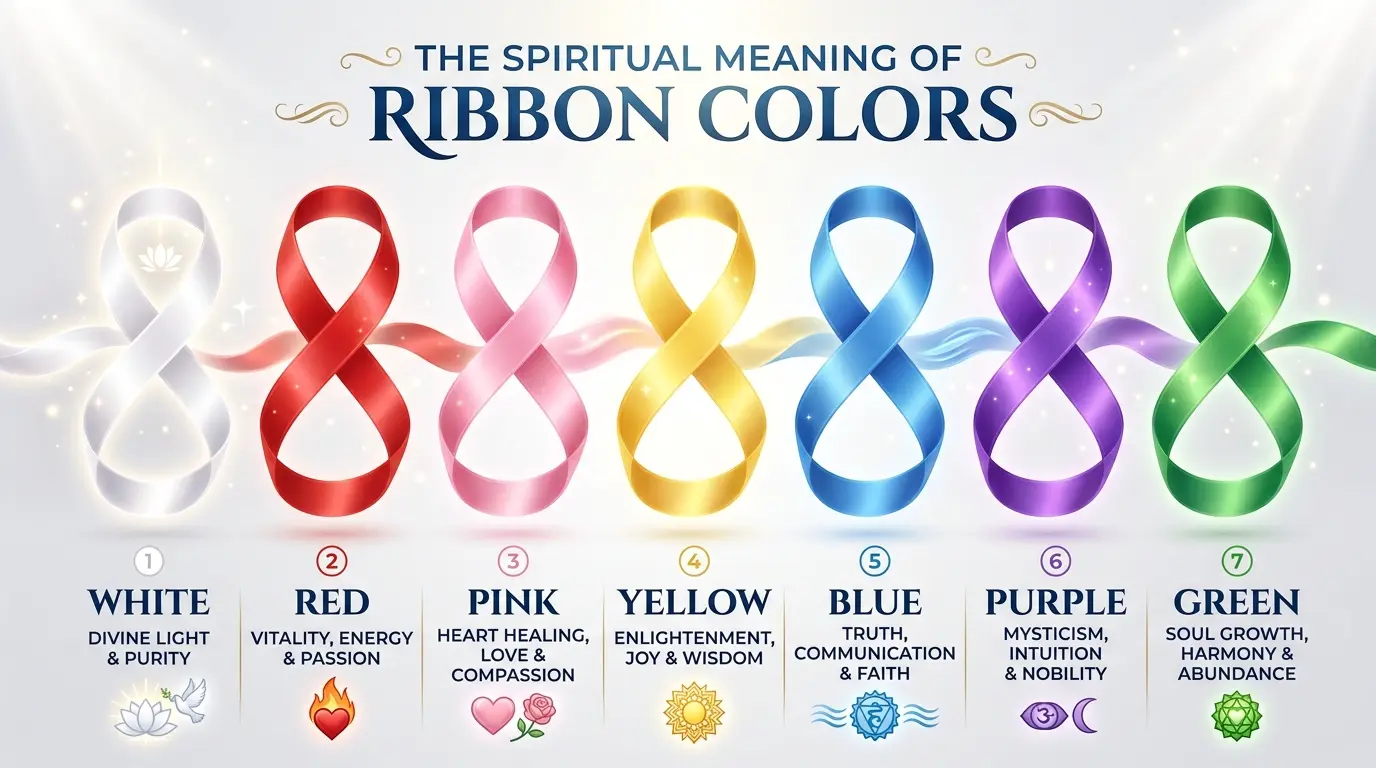
Spiritual Ribbon Color Meanings List
Ribbon symbolism can also have spiritual meanings in different traditions. These interpretations are based on cultural beliefs rather than scientific evidence.
White Ribbon Meaning
White ribbons are often connected with:
- Peace
- Purity
- Healing
- New beginnings
Many people use white ribbons during ceremonies, memorials, and moments of reflection.
Purple Ribbon Meaning
Purple ribbons may represent:
- Inner strength
- Transformation
- Wisdom
- Spiritual awareness
Because purple has historically been associated with royalty and mystery, it often carries a sense of importance.
Green Ribbon Meaning
Green ribbons are commonly linked with:
- Growth
- Renewal
- Nature
- Balance
The connection comes from green’s association with plants, life, and restoration.
Cultural Ribbon Color Meanings List
Ribbon meanings can change around the world.
Western Culture
In many Western countries, colored ribbons became especially connected with awareness campaigns. Specific colors are often used to represent medical conditions, social causes, and community support.
Eastern Cultures
Some Asian cultures connect colors with traditional symbolism. For example, white may represent mourning in some East Asian traditions, while in Western celebrations it is often linked with purity and weddings.
Latin American Traditions
Bright ribbon colors are often used in festivals, decorations, and celebrations where colors represent joy, identity, and community.
Indigenous and Local Traditions
Many Indigenous communities have their own meanings for colors based on history, spirituality, land, and cultural identity. These meanings should be understood within each community rather than generalized.
Historical Ribbon Color Meanings List
Ribbons have been used for centuries as symbols of identity and recognition.
In European history, ribbons were often connected with:
- Military honors
- Royal decorations
- Social status
- Achievements
Over time, ribbons moved from symbols of rank and awards into tools for public awareness and social movements.
The modern awareness ribbon became widely recognized in the late 20th century as organizations began using colored ribbons to represent important causes.
Personality Associations With Ribbon Colors
People often choose ribbon colors that match the feeling they want to express. However, liking a color does not scientifically determine personality.
Common associations include:
| Color | Common Personality Impression |
|---|---|
| Red | Confident, passionate, energetic |
| Pink | Caring, gentle, compassionate |
| Blue | Reliable, peaceful, thoughtful |
| Purple | Creative, imaginative, independent |
| Green | Balanced, natural, hopeful |
| Yellow | Optimistic, cheerful, friendly |
| Black | Serious, elegant, powerful |
| White | Organized, peaceful, simple |
These are cultural impressions, not fixed personality facts.
Ribbon Colors in Branding and Marketing
Businesses use ribbon colors to create emotional connections.
Why Brands Use Ribbons
Ribbons can communicate:
- Celebration
- Premium quality
- Recognition
- Support
- Special events
A gold ribbon on packaging may create a luxury feeling, while a green ribbon may suggest natural or eco-friendly values.
Packaging and Promotions
Gift companies often use ribbon colors strategically:
- Red for romance and excitement
- Gold for luxury and achievement
- White for elegance
- Black for sophistication
The same product can feel completely different depending on the ribbon color.
Ribbon Colors in Interior Design
Although ribbons are small decorative items, their colors can influence the atmosphere of a space.
Living Room
- Blue ribbons create a calm feeling.
- Gold ribbons add elegance.
- Green ribbons bring natural energy.
Bedroom
Soft colors such as pink, lavender, and white can create a peaceful appearance.
Office Space
Blue and green ribbons may support a professional and balanced environment.
Lighting also changes ribbon appearance. A deep red ribbon may appear brighter under warm lighting and darker under cool lighting.
Ribbon Colors in Fashion
Ribbons are popular in clothing, hairstyles, accessories, and gift styling.
Formal Fashion
Black, white, and gold ribbons often create a classic and elegant appearance.
Romantic Style
Pink and red ribbons are commonly used for:
- Valentine’s Day designs
- Wedding decorations
- Feminine fashion details
Seasonal Fashion
- Green and red ribbons are popular during winter holidays.
- Pastel ribbons are common in spring styles.
- Bright colors are used for summer events.
Best Ribbon Color Combinations
Choosing matching ribbon colors depends on the mood you want.
| Combination | Feeling Created | Best Uses |
|---|---|---|
| Red + Gold | Luxury and celebration | Weddings, awards, gifts |
| Blue + White | Trust and cleanliness | Business events, ceremonies |
| Pink + White | Soft and caring | Baby showers, celebrations |
| Green + Gold | Nature and success | Eco brands, events |
| Purple + Silver | Creativity and elegance | Special occasions |
| Black + Gold | Premium and powerful | Luxury packaging |
Common Misconceptions About Ribbon Colors
“Every ribbon color has one universal meaning”
Not true. Meanings depend on culture, organization, and purpose.
“Color psychology works the same for everyone”
People respond differently based on personal experiences, memories, and cultural background.
“A ribbon color always represents a cause”
Some ribbons are simply decorative and have no symbolic meaning.
Real-World Applications of Ribbon Colors
Ribbon colors appear in many areas of life:
Awareness Campaigns
Organizations use ribbons to create recognition and unity around important causes.
Weddings and Events
Ribbon colors help establish themes, emotions, and visual identity.
Photography and Art
Artists use ribbon colors as visual symbols to communicate emotions.
Sports and Entertainment
Ribbons can represent teams, achievements, celebrations, or support.
Frequently Asked Questions About Ribbon Color Meanings
What does a red ribbon mean?
A red ribbon commonly symbolizes love, courage, passion, and awareness. Its exact meaning depends on the campaign or event.
What does a blue ribbon symbolize?
Blue ribbons often represent trust, peace, support, and awareness for different causes.
What is the meaning of a purple ribbon?
Purple ribbons commonly represent strength, dignity, creativity, and awareness.
Why are ribbon colors used for awareness?
Ribbon colors provide an easy visual symbol that helps people recognize and support a cause.
Do ribbon colors have the same meaning worldwide?
No. Cultural traditions and local organizations can change the meaning of colors.
What ribbon color represents hope?
Yellow and green ribbons are often associated with hope, renewal, and positive chan
How do I choose the right ribbon color?
Choose based on your purpose, audience, cultural setting, and the emotion you want to communicate.
Conclusion
Ribbon colors turn simple pieces of fabric into meaningful symbols. A ribbon can show support, celebrate an achievement, honor a memory, or communicate an important message. Understanding the ribbon color meanings list helps people choose colors more thoughtfully in events, design, fashion, branding, and everyday life.
Color symbolism is powerful because it connects visual experiences with human emotions. The meaning of a ribbon is not only found in the color itself but also in the story, culture, and intention behind it. A carefully chosen ribbon can speak when words are not enough.

Emma Wilson is a dedicated comparison writer and product researcher at ColorMystiic.com. She specializes in creating unbiased product comparisons, detailed reviews, and helpful buying guides. Her goal is to help readers make smarter purchasing decisions with confidence.