Colored ribbons are more than simple pieces of fabric. Around the world, they represent awareness, remembrance, support, celebration, and solidarity. A small ribbon worn on a shirt, backpack, or lapel can tell a meaningful story without saying a word.Many people search for different ribbon color meanings because they want to support a cause, understand awareness campaigns, choose the right ribbon for an event, or learn the symbolism behind a specific color.
While some ribbon meanings are internationally recognized, others vary depending on country, organization, or cultural tradition.This guide explains the symbolism, psychology, cultural significance, and practical uses of ribbon colors. It also highlights where meanings overlap and why the same ribbon color can represent multiple causes.
Quick Answer: Ribbon colors symbolize awareness, remembrance, hope, advocacy, and support. Each color is linked with one or more causes, emotions, or social movements, although meanings can differ between organizations and regions.
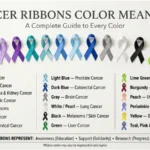
Ribbon Colors at a Glance
| Ribbon Color | Common Meaning | Associated Emotions |
|---|---|---|
| Red | Heart health, HIV/AIDS awareness | Love, courage, strength |
| Pink | Breast cancer awareness | Compassion, hope |
| Blue | Child abuse prevention, prostate cancer awareness | Trust, peace |
| Purple | Alzheimer’s awareness, domestic violence awareness | Dignity, wisdom |
| Yellow | Suicide prevention, military support | Hope, optimism |
| Green | Mental health, organ donation | Healing, growth |
| Orange | Leukemia awareness, kidney cancer awareness | Energy, encouragement |
| White | Lung cancer awareness, peace | Purity, remembrance |
| Black | Mourning, melanoma awareness | Strength, remembrance |
| Gold | Childhood cancer awareness | Courage, resilience |
| Teal | Ovarian cancer awareness, PTSD awareness | Healing, balance |
| Lavender | General cancer awareness | Compassion, unity |
| Gray | Brain cancer awareness | Support, resilience |
| Rainbow | LGBTQ+ pride and inclusion | Diversity, acceptance |
What Do Different Ribbon Color Meanings Symbolize?
Awareness ribbons symbolize shared support for people, families, and communities affected by illnesses, social issues, or important causes. They remind us that small actions can increase public understanding.
Ribbon symbolism generally falls into five categories:
- Health awareness
- Social awareness
- Memorial and remembrance
- Human rights and equality
- Community support and advocacy
Although ribbon colors often have accepted meanings, many nonprofit organizations choose colors independently. As a result, one color may represent several causes.
Why Ribbon Colors Matter
Color affects how people notice and remember information. Designers and awareness organizations carefully choose ribbon colors because colors create emotional associations.
For example:
- Warm colors often attract immediate attention.
- Cool colors create feelings of trust and calm.
- Soft colors communicate compassion.
- Bright colors inspire hope and optimism.
The ribbon itself has become a universal symbol of standing together.
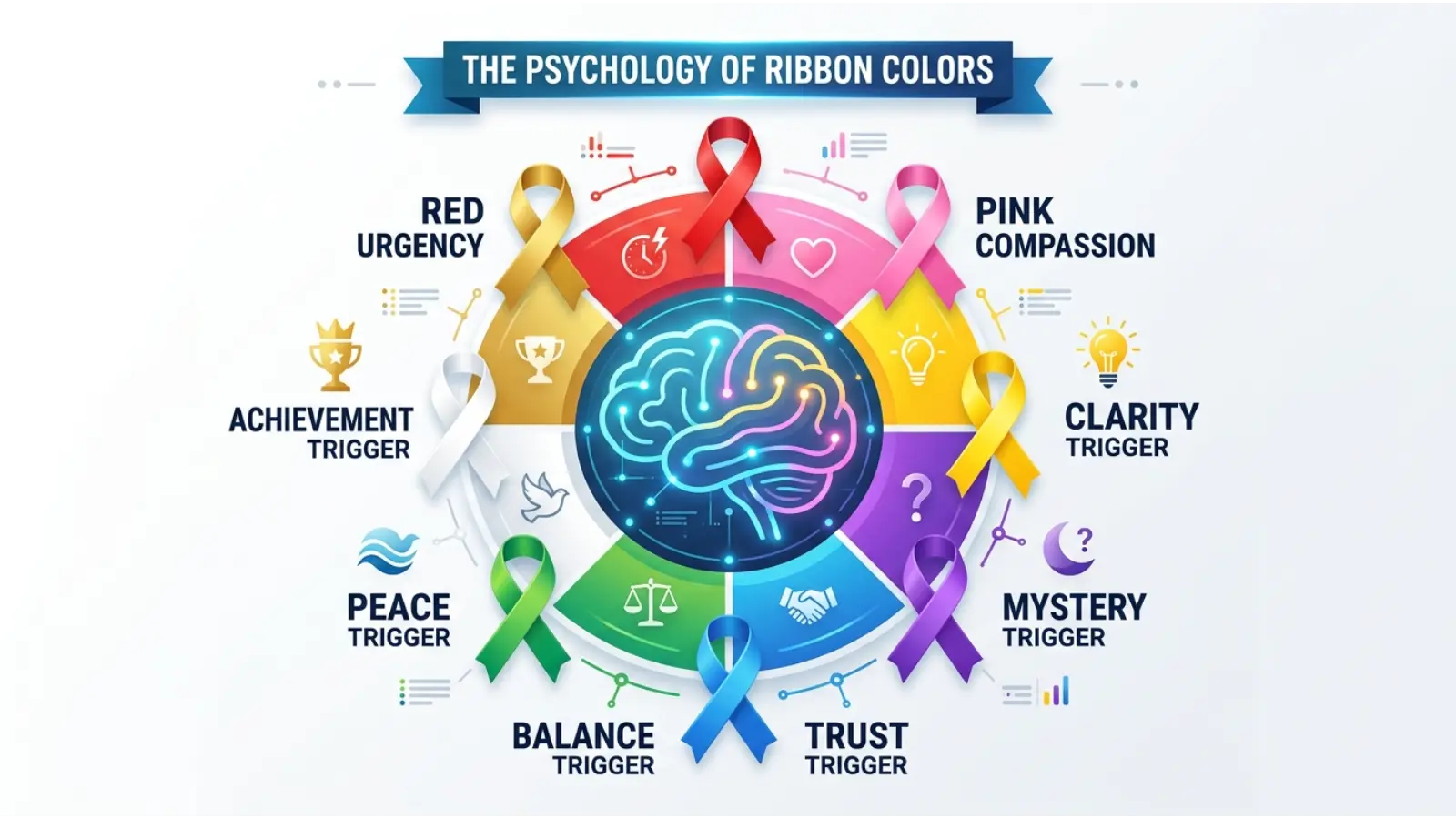
Psychology Behind Ribbon Colors
Red Ribbon
Symbolism
- Courage
- Love
- Determination
- Strength
Common Causes
- HIV/AIDS awareness
- Heart disease awareness
Psychologically, red increases attention and urgency. It encourages action and symbolizes the fight against serious health conditions.
Pink Ribbon
Symbolism
- Compassion
- Kindness
- Care
- Hope
Common Cause
- Breast cancer awareness
Pink ribbons became globally recognized through breast cancer campaigns. The color combines warmth with optimism, helping communities express encouragement and support.
Blue Ribbon
Symbolism
- Trust
- Stability
- Protection
- Loyalty
Common Causes
- Child abuse prevention
- Prostate cancer awareness
- Anti-bullying campaigns
Blue is often associated with safety and responsibility, making it suitable for causes involving protection and care.
Purple Ribbon
Symbolism
- Wisdom
- Respect
- Dignity
- Compassion
Common Causes
- Alzheimer’s awareness
- Domestic violence awareness
- Pancreatic cancer awareness
Purple has long symbolized dignity and reflection, making it meaningful for campaigns centered on caregiving and resilience.
Yellow Ribbon
Symbolism
- Hope
- Encouragement
- Optimism
- Reunion
Common Causes
- Suicide prevention
- Military support
- Missing persons awareness
Yellow stands out visually and naturally communicates optimism during difficult times.
Green Ribbon
Symbolism
- Healing
- Growth
- Renewal
- Recovery
Common Causes
- Mental health awareness
- Organ donation
- Kidney disease awareness
Green is strongly connected with nature and recovery, making it one of the most positive awareness colors.
Orange Ribbon
Symbolism
- Energy
- Motivation
- Encouragement
Common Causes
- Leukemia awareness
- Kidney cancer awareness
- Multiple sclerosis awareness (in some organizations)
Orange combines the excitement of red with the optimism of yellow.
White Ribbon
Symbolism
- Peace
- Innocence
- Respect
- Unity
Common Causes
- Lung cancer awareness
- Violence prevention initiatives
- Peace campaigns
White ribbons often communicate remembrance and peaceful action.
Black Ribbon
Symbolism
- Mourning
- Remembrance
- Respect
- Strength
Common Causes
- Memorial tributes
- Melanoma awareness
- Grief support
Black ribbons are commonly worn after tragedies or to honor loved ones.
Gold Ribbon
Symbolism
- Courage
- Strength
- Precious life
Common Cause
- Childhood cancer awareness
Gold reflects the value and importance of every child’s life while inspiring hope.
Teal Ribbon
Symbolism
- Emotional healing
- Stability
- Calmness
Common Causes
- Ovarian cancer awareness
- PTSD awareness
- Sexual assault awareness
Teal combines the calming effects of blue with the renewal associated with green.
Lavender Ribbon
Symbolism
- Unity
- Compassion
- Support
Common Cause
- General cancer awareness
Lavender represents all cancer survivors, caregivers, researchers, and families.
Spiritual Meaning of Ribbon Colors
Although awareness ribbons are not religious symbols, many people assign spiritual meaning to their colors.
Some commonly recognized symbolic interpretations include:
| Color | Spiritual Association |
|---|---|
| Green | Healing and renewal |
| Blue | Peace and faith |
| Purple | Wisdom and spiritual growth |
| White | Purity and hope |
| Gold | Inner strength |
| Pink | Compassion |
| Yellow | Joy and optimism |
These interpretations vary among spiritual traditions and should be viewed as symbolic rather than universal beliefs.
Cultural Meaning of Ribbon Colors
Ribbon symbolism changes around the world.
Western Countries
Colored ribbons are widely associated with nonprofit organizations, charities, and health awareness campaigns.
Eastern Cultures
Certain colors carry traditional meanings that may differ from awareness campaigns. For example, white is often linked with mourning in parts of East Asia.
Latin America
Ribbon campaigns commonly focus on public health, education, and community solidarity.
Middle Eastern Traditions
Color symbolism often reflects historical, cultural, and religious traditions alongside modern awareness initiatives.
Understanding local customs helps ensure ribbon colors are interpreted respectfully.
The History of Awareness Ribbons
Awareness ribbons became widely recognized during the late twentieth century through public advocacy campaigns.
The yellow ribbon gained popularity as a symbol of waiting for loved ones to return safely. Later, the pink ribbon became internationally known through breast cancer awareness efforts. Since then, many organizations have adopted unique ribbon colors to increase visibility for health conditions, social causes, and community initiatives.
Today, ribbons are used worldwide during awareness months, charity walks, fundraising events, schools, workplaces, and sporting events.
Personality Associations
People sometimes associate favorite ribbon colors with personality traits, although scientific evidence does not show that color preference determines personality.
Common symbolic associations include:
- Red: Confident and energetic
- Blue: Calm and dependable
- Green: Caring and balanced
- Purple: Thoughtful and creative
- Yellow: Optimistic and friendly
- Pink: Compassionate and nurturing
These should be viewed as cultural interpretations rather than proven psychological facts.
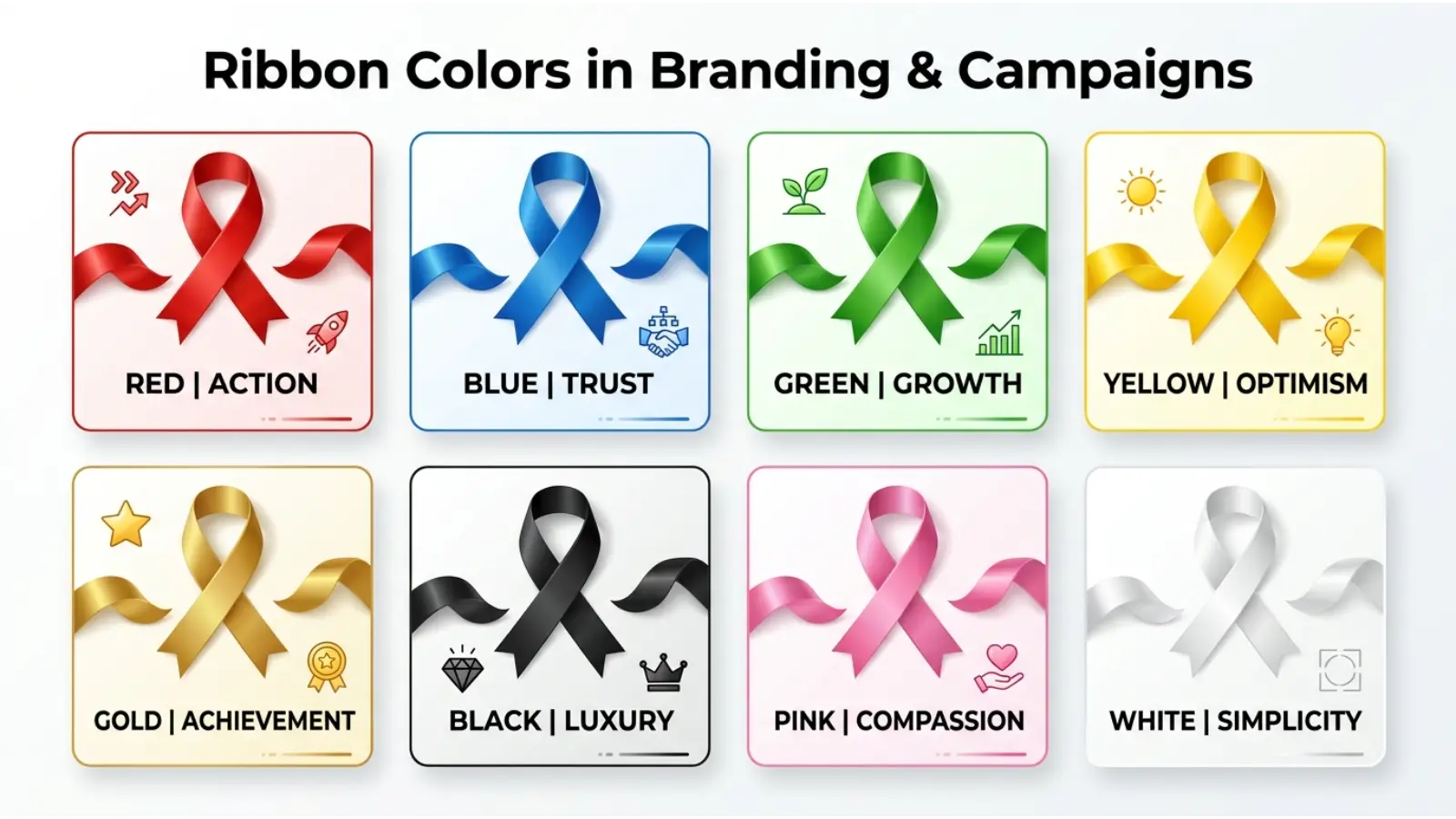
Different Ribbon Colors in Branding and Campaigns
Awareness organizations rely heavily on color because it improves recognition.
A memorable ribbon color helps people:
- Identify campaigns quickly
- Remember fundraising events
- Recognize awareness months
- Share messages across social media
- Build emotional connections
Consistency is often more important than choosing a specific shade.
Ribbon Colors in Fashion
Awareness ribbons have become meaningful accessories.
People wear ribbon pins on:
- Jackets
- Hats
- Shirts
- Dresses
- Backpacks
- Scarves
Many supporters also choose matching clothing during awareness events, charity races, or fundraising walks.
Fashion allows people to express support while starting conversations about important causes.
Real-World Applications
Ribbon colors appear in many settings beyond awareness campaigns.
Healthcare
Hospitals use ribbons during awareness months and educational events.
Schools
Students wear ribbons to support classmates and community causes.
Businesses
Companies participate in charity initiatives by displaying ribbon colors in branding or uniforms.
Sports
Teams wear awareness ribbons during special games to honor individuals or promote fundraising.
Social Media
Ribbon graphics help spread awareness globally during dedicated campaigns.
Community Events
Parades, charity walks, memorial ceremonies, and fundraising events often feature ribbons as a shared symbol of support.
Common Misconceptions About Ribbon Colors
Every ribbon color has only one meaning.
False. Many ribbon colors represent multiple causes depending on the organization.
Ribbon colors are the same worldwide.
Not always. Cultural traditions and local campaigns can influence interpretation.
Wearing a ribbon automatically supports a charity financially.
No. Wearing a ribbon raises awareness, but donations and volunteer efforts provide direct support.
Ribbon colors never change.
Organizations occasionally adopt new colors or combine colors to represent emerging causes.
Frequently Asked Questions
What do different ribbon color meanings represent?
Ribbon colors usually represent awareness, remembrance, health conditions, social causes, advocacy, or community support.
Can one ribbon color have multiple meanings?
Yes. Many colors are shared by several organizations and awareness campaigns.
Why is the pink ribbon so well known?
It became internationally recognized through breast cancer awareness campaigns and remains one of the world’s most recognizable awareness symbols.
What does the green ribbon symbolize?
Green commonly represents mental health awareness, healing, recovery, and organ donation.
Why are yellow ribbons associated with hope?
Historically, yellow has symbolized waiting, optimism, reunion, and encouragement during difficult times.
What is the gold ribbon used for?
The gold ribbon is widely recognized for childhood cancer awareness.
Do ribbon colors have scientific psychological effects?
Color psychology suggests colors can influence perception and emotion, but awareness ribbon meanings are primarily symbolic and shaped by culture and public campaigns.
Are ribbon meanings the same in every country?
No. While many awareness campaigns are international, cultural traditions and local organizations may assign different meanings to the same color.
How do organizations choose ribbon colors?
They often select colors that reflect their mission, are visually distinctive, and help supporters easily recognize the cause.
Can I wear any awareness ribbon?
Yes. People often wear ribbons to express solidarity, honor loved ones, or support awareness efforts. It is helpful to understand the ribbon’s commonly recognized meaning before wearing it.
Final Thoughts
Different ribbon color meanings remind us that colors can communicate empathy, resilience, remembrance, and hope in a simple yet powerful way. While the exact meaning of a ribbon may vary between organizations and cultures, the purpose remains the same: bringing people together around important causes.
Understanding these symbols allows you to wear or display a ribbon with greater confidence, respect, and awareness, turning a small gesture into a meaningful expression of support.

Emma Wilson is a dedicated comparison writer and product researcher at ColorMystiic.com. She specializes in creating unbiased product comparisons, detailed reviews, and helpful buying guides. Her goal is to help readers make smarter purchasing decisions with confidence.