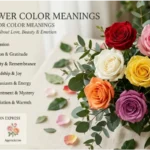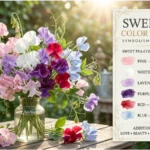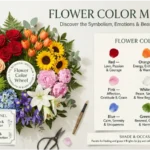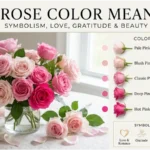
Colors surround us every day, yet many people believe they communicate more than simple visual beauty. Across different cultures, religions, and spiritual traditions, colors have been linked with emotions, healing, wisdom, protection, transformation, and personal growth. That is why spiritual color meanings remain one of the most searched topics in color psychology and symbolism.
However, there is no single universal interpretation. Instead, spiritual color meanings often depend on culture, historical traditions, personal beliefs, and the situation in which a color appears. A white flower at a wedding may symbolize purity in one culture, while the same color represents mourning in another.
This guide explores the most recognized spiritual color meanings, explains their psychological influence, compares cultural interpretations, and shows how colors are used in branding, interior design, fashion, and everyday life.
Quick Answer:
Spiritual color meanings describe the symbolic and emotional messages people associate with different colors. While interpretations vary among cultures and spiritual traditions, colors are commonly connected with healing, protection, wisdom, balance, transformation, love, courage, prosperity, and inner peace.Use color as a personal tool for expression rather than as a fixed rule.
What Are Spiritual Color Meanings?
Spiritual color meanings are symbolic interpretations that connect colors with emotions, beliefs, spiritual growth, and human experiences. Although science confirms that colors can influence mood and perception, many spiritual meanings come from centuries of cultural traditions rather than scientific proof.
For example:
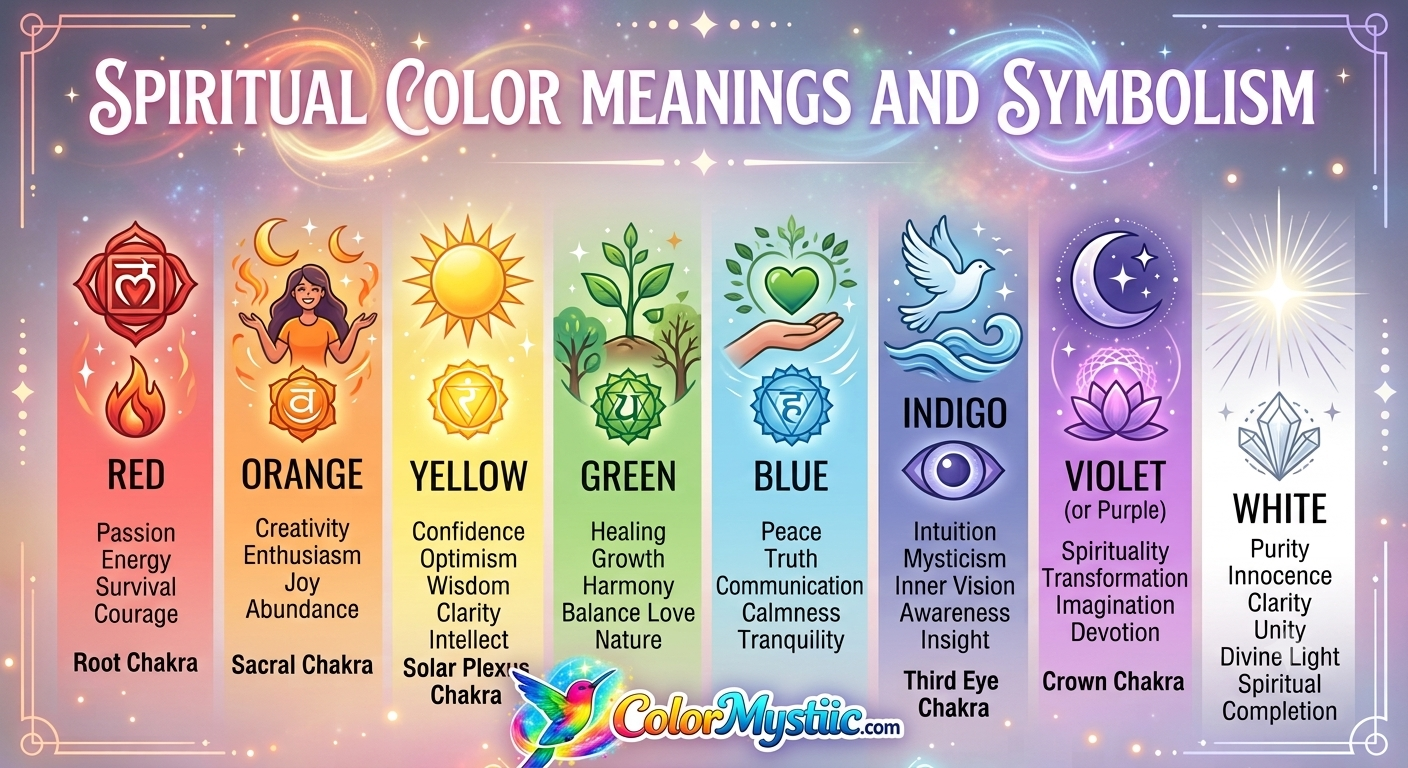
- White often represents purity and peace.
- Blue is linked with calmness and wisdom.
- Green symbolizes healing and renewal.
- Purple represents spirituality and higher awareness.
- Gold reflects enlightenment and abundance.
Therefore, spiritual color meanings should be viewed as symbolic guides rather than universal facts.
Why Colors Feel Spiritually Meaningful
People naturally associate colors with experiences in nature.
For instance:
- Green reminds us of forests and growth.
- Blue reflects the sky and peaceful oceans.
- Yellow resembles sunlight and optimism.
- Red resembles blood, warmth, and survival.
Consequently, these repeated experiences gradually became symbols within religions, cultures, and spiritual practices.
Modern psychology also shows that colors can influence emotions, although individual responses differ because of personality, memories, age, and cultural background.
Spiritual Color Meanings Explained
White Spiritual Meaning
White commonly symbolizes:
- Purity
- Peace
- New beginnings
- Spiritual cleansing
- Innocence
- Divine light
Many religions use white clothing during ceremonies because it represents renewal and sincerity. However, some Asian cultures traditionally associate white with mourning and remembrance.
Spiritually, white often encourages simplicity, honesty, and inner clarity.
Black Spiritual Meaning
Black carries both positive and negative symbolism.
Positive meanings include:
- Protection
- Mystery
- Inner strength
- Transformation
- Wisdom gained through experience
Negative associations may include:
- Fear
- Grief
- The unknown
Spiritually, black often represents endings that create opportunities for new beginnings.
Red Spiritual Meaning
Red symbolizes powerful life energy.
Common meanings include:
- Courage
- Passion
- Vitality
- Determination
- Physical strength
- Protection
Because red attracts attention, many cultures associate it with celebration, luck, or prosperity. Yet excessive red may also symbolize anger or danger.
Orange Spiritual Meaning
Orange combines the energy of red with the happiness of yellow.
Spiritually, it often represents:
- Creativity
- Confidence
- Joy
- Adventure
- Personal growth
- Enthusiasm
Many meditation traditions connect orange with emotional balance and positive transformation.
Yellow Spiritual Meaning
Yellow reflects the brightness of sunlight.
It commonly symbolizes:
- Hope
- Happiness
- Wisdom
- Mental clarity
- Learning
- Optimism
At the same time, extremely bright yellow can create feelings of caution or anxiety depending on its intensity.
Green Spiritual Meaning
Green remains one of the strongest healing colors.
Its spiritual meanings include:
- Healing
- Balance
- Nature
- Prosperity
- Renewal
- Harmony
Because plants constantly grow and recover, green naturally became a symbol of continuous life.
Blue Spiritual Meaning
Blue is often considered the color of peace.
It symbolizes:
- Trust
- Calmness
- Truth
- Communication
- Faith
- Wisdom
Many people choose blue during meditation because softer shades encourage relaxation.
Purple Spiritual Meaning
Purple has long represented higher awareness.
Common spiritual meanings include:
- Spiritual wisdom
- Intuition
- Imagination
- Royal dignity
- Transformation
- Mystery
Historically, purple dyes were expensive, which also linked the color with nobility and spiritual leadership.
Pink Spiritual Meaning
Pink emphasizes gentle emotional energy.
It commonly represents:
- Compassion
- Love
- Kindness
- Forgiveness
- Friendship
- Emotional healing
Soft pink creates a comforting atmosphere, while brighter pink reflects excitement and confidence.
Brown Spiritual Meaning
Brown connects people with nature.
Its symbolism includes:
- Stability
- Reliability
- Security
- Simplicity
- Grounding
- Patience
Earthy tones often create feelings of comfort and belonging.
Gray Spiritual Meaning
Gray represents neutrality.
Spiritually it may symbolize:
- Reflection
- Balance
- Wisdom
- Emotional control
- Maturity
However, too much gray may also suggest emotional distance or uncertainty.
Gold Spiritual Meaning
Gold has represented sacred value throughout history.
It symbolizes:
- Enlightenment
- Success
- Prosperity
- Divine wisdom
- Achievement
- Confidence
Many religious artworks include gold because it reflects light beautifully.
Silver Spiritual Meaning
Silver often symbolizes:
- Intuition
- Reflection
- Purity
- Balance
- Feminine energy
- Modern elegance
Its reflective quality makes silver a common symbol of self-awareness.
Warm colors generally feel energetic.
Psychology Behind Spiritual Color Meanings
Although spiritual color meanings vary, psychology offers evidence that colors can influence human perception.
For example:
- Warm colors generally feel energetic.
- Cool colors usually appear calming.
- Bright colors attract attention faster.
- Dark colors often communicate seriousness.
- Soft colors create comfort.
Nevertheless, psychologists agree that personal experiences strongly influence color preferences. Therefore, spiritual color meanings should complement—not replace—scientific understanding.
Spiritual Color Meanings Across Different Cultures
Western Traditions
Many Western cultures connect:
- White with weddings
- Black with mourning
- Blue with trust
- Green with luck
- Gold with wealth
Eastern Traditions
Several Eastern traditions associate:
- Red with happiness
- Gold with prosperity
- White with funerals
- Green with harmony
Middle Eastern Traditions
Green often symbolizes:
- Life
- Paradise
- Growth
- Blessings
Blue is also widely believed to provide symbolic protection from negative influences.
African Traditions
Color meanings differ greatly among regions. Nevertheless, colors frequently represent ancestry, community identity, leadership, celebration, and spiritual heritage.
Indigenous Traditions
Many Indigenous communities connect colors with nature, seasons, directions, and life’s cycles. However, interpretations vary widely, so no single meaning applies to every culture.
Spiritual Color Meanings and Personality
Some people believe favorite colors reflect personality.
For example:
People attracted to:
- Blue often value peace.
- Green may appreciate balance.
- Purple frequently enjoys creativity.
- Yellow often prefers optimism.
- Black may value independence.
- Red usually enjoys action.
Still, no scientific evidence proves that favorite colors determine personality. Preferences change over time and often reflect mood, culture, memories, and environment.Use color as a personal tool for expression rather than as a fixed rule.

Spiritual Color Meanings in Branding and Marketing
Businesses carefully select colors because consumers form impressions within seconds.
For example:
- Blue builds trust for banks and technology companies.
- Green suggests health and sustainability.
- Purple communicates luxury and creativity.
- Black creates premium branding.
- Red increases urgency during promotions.
- Yellow attracts attention in advertisements.
Consequently, marketers use color psychology alongside cultural expectations to strengthen brand identity.
Spiritual Color Meanings in Interior Design
Interior designers often use color to influence atmosphere.
Living Room
Warm neutrals, green, and blue encourage comfort.
Bedroom
Soft blue, lavender, sage green, and white support relaxation.
Home Office
Blue improves focus, while green reduces visual fatigue.
Meditation Space
White, purple, blue, and soft green create peaceful surroundings.
Lighting also changes color appearance. Natural daylight usually reveals colors more accurately than artificial lighting.Use color as a personal tool for expression rather than as a fixed rule.
Spiritual Color Meanings in Fashion
Fashion communicates personality without words.
For example:
- Black expresses elegance.
- White feels clean and timeless.
- Purple appears luxurious.
- Green reflects freshness.
- Blue looks dependable.
- Gold accessories communicate confidence.
- Pink creates a gentle impression.
- Red projects boldness.
People often choose colors based on the message they wish to communicate rather than spiritual beliefs alone.
Best Color Combinations for Spiritual Harmony
Some combinations naturally feel balanced.
| Color Combination | Common Symbolism |
|---|---|
| Blue + White | Peace and clarity |
| Green + Brown | Nature and grounding |
| Purple + Gold | Wisdom and abundance |
| Pink + White | Compassion and kindness |
| Black + Gold | Strength and luxury |
| Blue + Silver | Calmness and intuition |
| Yellow + Green | Growth and optimism |
| Red + Gold | Energy and prosperity |
How Context Changes Spiritual Color Meanings
The same color may communicate different ideas depending on:
- Lighting
- Surrounding colors
- Cultural traditions
- Religious practices
- Personal memories
- Age
- Historical period
- Artistic style
Therefore, understanding context is just as important as understanding the color itself.
Common Misconceptions About Spiritual Color Meanings
Every color has one universal meaning.
False. Meanings vary significantly among cultures.
Colors have supernatural powers.
There is no scientific evidence proving colors possess magical abilities.
Favorite colors reveal your entire personality.
Color preferences provide limited insight but cannot define someone’s character.
Spiritual color meanings never change.
History shows that color symbolism evolves alongside society.
Real-World Uses of Spiritual Color Meanings
Today, spiritual color meanings influence many areas of life.
For Example
- Home decoration
- Meditation spaces
- Religious ceremonies
- Brand logos
- Advertising campaigns
- Fashion collections
- Photography
- Fine art
- Graphic design
- Sports branding
- Event planning
- Wedding themes
- Wellness products
Because colors affect first impressions, professionals often study both psychology and symbolism before making design decisions.
Frequently Asked Questions
What are spiritual color meanings?
Spiritual color meanings are symbolic interpretations that connect colors with emotions, personal growth, healing, and spiritual traditions.
Which color represents spiritual awakening?
Purple is commonly associated with spiritual awareness, although interpretations vary across traditions.
Which color symbolizes healing?
Green is most frequently connected with healing, balance, and renewal.Use color as a personal tool for expression rather than as a fixed rule.
Does science support spiritual color meanings?
Science supports some psychological effects of color, but spiritual symbolism mainly comes from cultural and historical traditions.
Why do cultures interpret colors differently?
History, religion, geography, customs, and social traditions all influence color symbolism.
Which color represents protection?
Blue, black, and white are often connected with symbolic protection in different traditions.
Can colors improve meditation?
Many people find calm colors helpful during meditation, although effectiveness varies by individual.
Which spiritual color represents love?
Pink usually symbolizes compassion, while red often represents passionate love and vitality.
Do spiritual color meanings change over time?
Yes. Historical events, cultural shifts, and modern design trends continue to shape color symbolism.Use color as a personal tool for expression rather than as a fixed rule.
How can I use spiritual color meanings in everyday life?
You can apply them thoughtfully in clothing, home décor, artwork, branding, journals, meditation spaces, or celebrations. Use color as a personal tool for expression rather than as a fixed rule.
Final Thoughts
Spiritual color meanings continue to inspire artists, designers, psychologists, spiritual practitioners, and everyday people because colors communicate emotion long before words do. Although many interpretations come from tradition instead of scientific evidence, they remain meaningful cultural symbols that help people express identity, celebrate important moments, and create intentional environments.
Rather than searching for one “correct” meaning, consider how a color’s history, culture, context, and your own experiences shape its message. By understanding spiritual color meanings with both curiosity and critical thinking, you can appreciate colors not only as visual elements but also as powerful symbols woven into daily life, art, design, and human culture.

Emma Wilson is a dedicated comparison writer and product researcher at ColorMystiic.com. She specializes in creating unbiased product comparisons, detailed reviews, and helpful buying guides. Her goal is to help readers make smarter purchasing decisions with confidence.