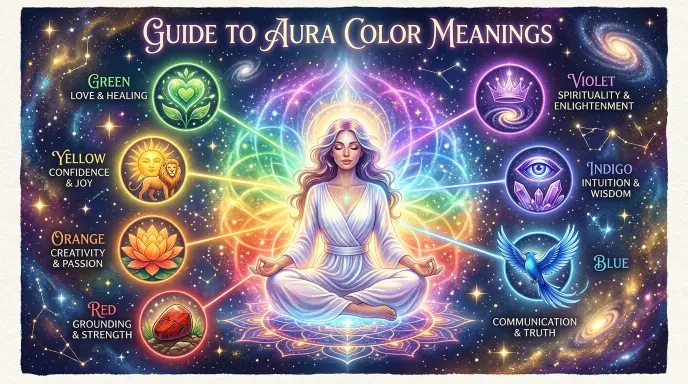
Colors have always influenced the way people understand emotions, identity, and the world around them. From ancient traditions to modern psychology, colors are used to express feelings, create moods, and communicate hidden messages. The idea of aura color meanings connects colors with energy, personality, emotions, and spiritual symbolism.
People search for aura color meanings because they want to understand what different aura colors may represent and how these interpretations relate to personal growth, relationships, creativity, and self-awareness. However, aura color interpretations are not the same in every culture or belief system. Some views come from spiritual traditions, while others are based on symbolism, psychology, and personal experiences.
This guide explores aura color meanings through symbolism, psychology, cultural perspectives, personality associations, design, fashion, and everyday applications. It also explains the difference between spiritual interpretations and scientifically supported ideas about how colors influence human perception.
Quick Answer: What Are Color Aura Meanings?
Color aura meanings are symbolic interpretations that connect different colors with emotions, personality traits, spiritual ideas, and energy patterns. For example, blue is often linked with calmness and communication, green with growth and balance, and purple with creativity and intuition. These meanings vary depending on culture, personal beliefs, and context.
What Do Color Aura Meanings Represent?
Different systems interpret colors in different ways, so there is no single universal meaning accepted by all cultures or scientific fields.
Many spiritual traditions view aura colors as expressions of inner energy. Meanwhile, psychology studies how colors influence mood, attention, and behavior through visual perception.
Therefore, color aura meanings should be understood as a combination of cultural symbolism, personal interpretation, and emotional associations rather than fixed scientific facts.
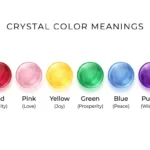
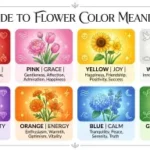
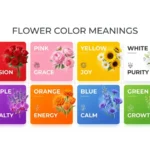
Common aura color associations include:
- Red: energy, passion, strength, motivation, and physical power
- Orange: creativity, confidence, enthusiasm, and emotional expression
- Yellow: optimism, intelligence, curiosity, and happiness
- Green: healing, balance, growth, and connection with nature
- Blue: peace, honesty, communication, and emotional calm
- Purple: imagination, spirituality, wisdom, and transformation
- White: purity, clarity, protection, and new beginnings
- Pink: compassion, love, kindness, and emotional warmth
Negative interpretations may also appear in some traditions. For example, red can symbolize anger, yellow can represent jealousy, and dark shades may sometimes be associated with emotional struggles. Context plays a major role.
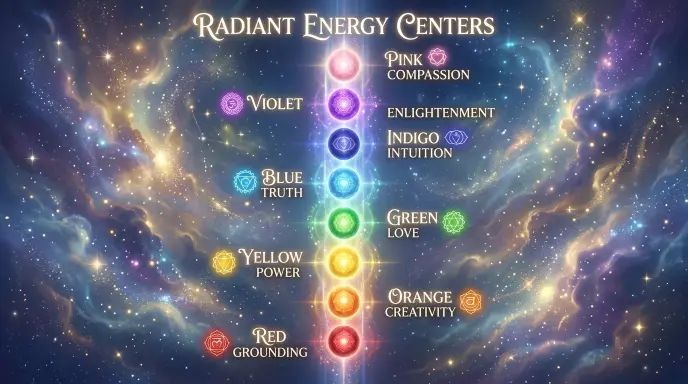
Psychology of Color Aura Meanings
Color psychology examines how colors affect human perception and emotions. While science does not confirm that humans have visible energy fields shown through colors, research does show that colors can influence feelings and decisions.
For this reason, color aura meanings often overlap with psychological reactions to colors.
How Colors Influence Emotions
Bright colors usually attract attention and may create feelings of excitement or energy. Softer colors often feel relaxing and comfortable.
For example:
- Blue environments may feel peaceful because people often associate blue with sky and water.
- Warm colors like red and orange may create a sense of movement and excitement.
However, emotional responses depend on personal experiences. A color that feels calming to one person may remind another person of a completely different memory.
Color and Human Behavior
Designers, advertisers, and artists use color psychology because colors influence first impressions.
A person may choose certain colors in clothing or decoration because they want to express confidence, creativity, professionalism, or relaxation. This connection helps explain why color aura meanings remain popular in personal development and creative fields.
Spiritual Meaning of Aura Colors
Many spiritual communities use aura colors as symbols of energy, awareness, and personal transformation. These beliefs differ between traditions, and interpretations should be viewed as symbolic rather than proven scientific measurements.
Red Aura Meaning
A red aura is often associated with strength, courage, passion, and determination. It may symbolize a person who is energetic and action-oriented.
At the same time, some interpretations connect red with impatience or emotional intensity when balance is missing.
Blue Aura Meaning
Blue is commonly linked with peace, truth, communication, and emotional understanding. In spiritual symbolism, a blue aura may represent calm energy and thoughtful expression.
Purple Aura Meaning
Purple is often connected with intuition, imagination, wisdom, and spiritual exploration. Many people associate it with creativity and deeper thinking.
Green Aura Meaning
Green symbolizes healing, harmony, renewal, and connection. It is often linked with emotional balance and compassion.
Across different belief systems, color aura meanings can represent personal journeys, inner qualities, and symbolic messages.
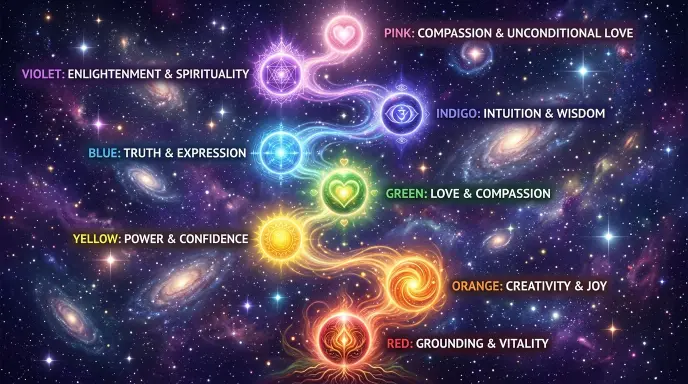
Cultural Interpretations of Aura Colors
Color meanings change across cultures because history, religion, environment, and traditions influence symbolism.
Western Interpretations
In many Western cultures, white often represents purity and new beginnings, while black may represent mystery, elegance, or mourning depending on the situation.
Eastern Interpretations
In several Asian cultures, colors may carry strong traditional meanings. Red is often associated with celebration, luck, and prosperity in many East Asian traditions.White can have different meanings depending on the region.
Middle Eastern and African Perspectives
Colors in Middle Eastern and African cultures often carry connections to spirituality, nature, community, and historical identity.
Green, For example, has important symbolic meanings in many Islamic traditions and is also widely connected with nature and renewal.
Because of these differences, color aura meanings cannot be separated from cultural background.
Historical Meaning of Aura Colors
The connection between colors and symbolic meanings has existed for thousands of years. Ancient civilizations used colors in clothing, art, ceremonies, and religious practices.
Purple historically became associated with royalty because certain purple dyes were rare and expensive. This helped create connections between purple and power, luxury, and status.
Over time, these historical associations shaped many modern ideas about color aura meanings.
Personality Associations With Aura Colors
Many people enjoy connecting their favorite colors with personality traits. These ideas can be interesting for self-reflection, but color preference does not scientifically determine personality.
Common symbolic associations include:
- People who prefer red may enjoy action, confidence, and excitement.
- People who prefer blue may value peace, trust, and stability.
- People who prefer green may appreciate balance, nature, and growth.
- People who prefer purple may enjoy creativity and imagination.
- People who prefer yellow may seek optimism and learning.
Color Aura Meanings in Branding and Marketing
Brands use colors strategically because colors shape customer impressions. A company’s color choices can communicate values before customers read any words.
Trust and Professionalism
Blue is frequently used by businesses because it often creates feelings of reliability and security.
Energy and Attention
Red can create strong visual impact and is often chosen by brands that want to appear exciting or bold.
Luxury and Creativity
Purple is sometimes used to communicate imagination, premium quality, or uniqueness.
Nature and Sustainability
Green is commonly associated with health, environment, and natural products.
Although branding is not the same as spiritual symbolism, both areas show how powerful color aura meanings can be in human communication.
Color Aura Meanings in Interior Design
Colors strongly affect the atmosphere of a room. Interior designers consider lighting, space size, furniture, and personal preferences when selecting colors.
Living Room
Warm colors can create a welcoming environment, while neutral and cool tones may create a peaceful feeling.
Bedroom
Soft blues, greens, and gentle shades are often chosen for relaxing spaces because they are visually calming.
Office
Colors like blue, green, or balanced neutral tones may support a focused and comfortable workplace.
Lighting Effects
The same color can look completely different under natural sunlight, warm bulbs, or cool LED lighting. Therefore, testing colors in real conditions is important.
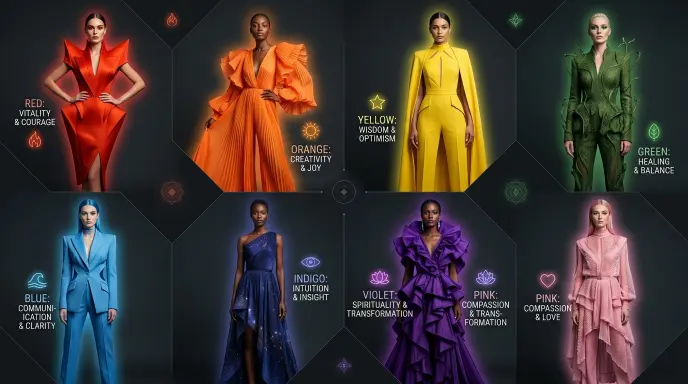
Color Aura Meanings in Fashion
Fashion uses color to communicate style, mood, and personality.
Professional Clothing
Blue, black, gray, and white are often used in professional clothing because they create clean and confident impressions.
Creative Fashion
Purple, orange, and unusual color combinations may express individuality and artistic personality.
Accessories
Small color choices, such as a scarf, watch, handbag, or shoes, can add emotional meaning without changing an entire outfit.
Fashion demonstrates how color aura meanings influence the way people present themselves.
Color Combinations and Their Symbolism
Combining colors creates new emotional effects.
Blue and White
This combination often represents cleanliness, trust, and calmness. It is common in healthcare, technology, and minimalist designs.
Green and Brown
These colors create a natural feeling because they represent plants, earth, and environmental connection.
Purple and Gold
This pairing often suggests creativity, luxury, and imagination.
Red and Black
This combination can feel powerful, dramatic, and bold.
Successful color combinations depend on balance, contrast, and the purpose of the design.
Common Misconceptions About Color Aura Meanings
Myth: Aura Colors Have One Fixed Meaning
Different cultures and spiritual systems interpret colors differently.
Myth: Color Alone Determines Personality
A favorite color does not reveal someone’s complete personality. Human behavior is much more complex.
Myth: Spiritual Color Meanings Are Scientific Facts
Symbolic interpretations can be meaningful to individuals, but they should not be confused with scientific evidence.
Understanding these differences creates a more balanced view of color aura meanings.
Real-World Applications of Color Aura Meanings
Colors influence many areas of life:
Daily Life
People choose colors in clothing, homes, and personal items to create certain moods.
Business
Companies use colors to build recognition and communicate messages.
Art and Photography
Artists use color symbolism to guide emotions and storytelling.
Home Decoration
Interior colors help create spaces that feel energetic, peaceful, elegant, or natural.
Entertainment
Movies, games, and fantasy stories use colors to represent characters, emotions, and themes.
Frequently Asked Questions About Color Aura Meanings
What is the meaning of a blue aura?
A blue aura is commonly associated with calmness, communication, honesty, and emotional balance in spiritual symbolism.
Aura colors scientifically proven?
No. Aura colors are mainly part of spiritual and symbolic traditions. However, color psychology does study how colors affect perception and emotions.
What does a purple aura symbolize?
Purple aura meanings are often connected with creativity, intuition, imagination, and spiritual awareness.
Can aura colors change?
Some spiritual beliefs suggest aura colors change with emotions, experiences, and personal growth. This is a symbolic interpretation rather than a scientifically measured process.
Do favorite colors reveal personality?
Favorite colors may reflect personal preferences and experiences, but they do not accurately define personality.
Why are people interested in aura color?
Many people explore aura colors for self-reflection, creativity, spirituality, and understanding symbolic meanings.
How are aura colors used in modern design?
Designers use color symbolism to influence emotions, create moods, and communicate messages through branding, fashion, and interiors.
Are color meanings the same worldwide?
No. Cultural background, history, and traditions influence how people understand colors.
Conclusion
Color aura meanings offer a fascinating way to explore how humans connect colors with emotions, symbolism, spirituality, and identity. While aura interpretations come mainly from cultural and spiritual traditions, the psychological impact of colors on perception is widely recognized.
Colors are more than visual elements. They influence how people decorate spaces, choose clothing, build brands, create art, and express personal feelings. By understanding symbolism while respecting cultural differences, we can use colors with greater awareness and creativity in everyday life.

Emma Wilson is a dedicated comparison writer and product researcher at ColorMystiic.com. She specializes in creating unbiased product comparisons, detailed reviews, and helpful buying guides. Her goal is to help readers make smarter purchasing decisions with confidence.