Mood rings have fascinated people for decades because they appear to transform colors based on how someone feels. A single ring can shift from blue to green, purple, black, or other shades, making people wonder what these colors really mean.The search for real mood ring color meanings comes from curiosity about emotions, personality, and self-expression.
Many people enjoy using mood rings as a fun way to connect colors with feelings, while others want to understand the science behind the changing shades.However, mood ring meanings are not exact emotional measurements. A mood ring does not directly read thoughts or feelings.
Instead, it responds to changes in body temperature, which can sometimes be connected with emotional states such as excitement, relaxation, stress, or nervousness.The meaning of each color also depends on cultural symbolism, personal beliefs, and popular interpretations. For example, blue is often connected with calmness and peace, while red may represent energy and passion. These associations come from psychology, art, traditions, and human experiences.
In this guide, you will discover the true meaning behind common mood ring colors, the science behind their changes, emotional symbolism, cultural interpretations, and how people use mood rings in fashion, personality expression, and everyday life.
Quick Answer:
Real mood ring color meanings are symbolic interpretations based on the color displayed by a mood ring. While the ring actually reacts to body temperature changes through liquid crystals, people commonly associate colors like blue with calmness, green with balance, purple with creativity, black with stress, and red with energy or excitement.
What Are Real Mood Ring Color Meanings?
A mood ring is a piece of jewelry containing a special temperature-sensitive material called thermochromic liquid crystal. This material changes its appearance when exposed to different temperatures.
The original idea behind mood rings was that changes in skin temperature could reflect emotional changes. When someone feels nervous, excited, relaxed, or stressed, their body may experience changes such as altered blood flow or warmer and cooler skin.
The meanings people attach to mood ring colors are mostly based on symbolism and popular culture.
For example:
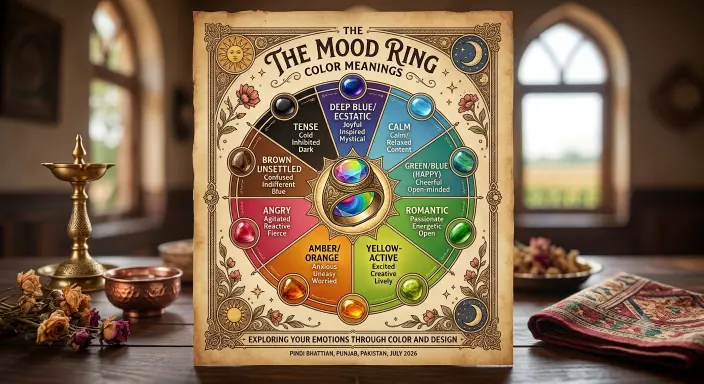
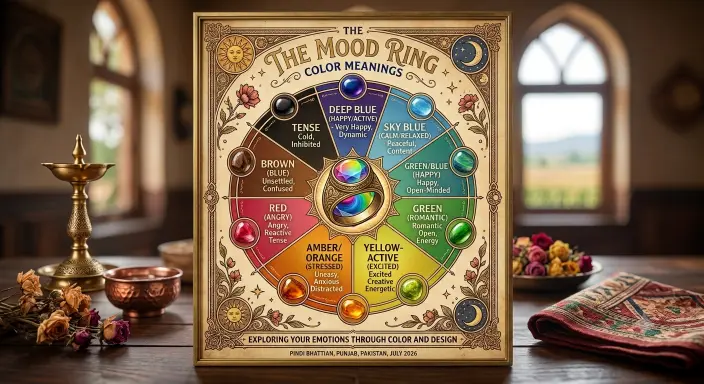
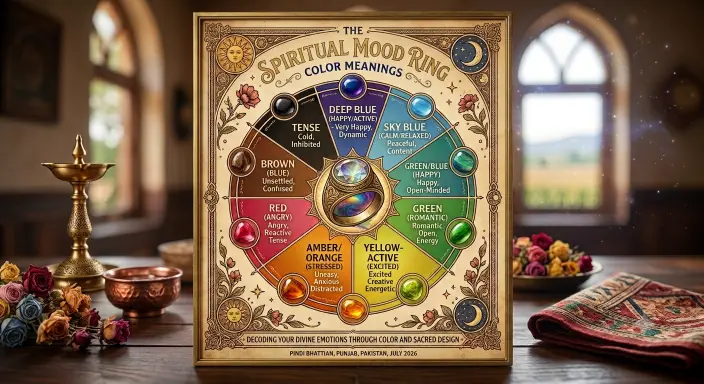
- A blue mood ring is often interpreted as calmness, relaxation, and emotional balance.
- A green mood ring is commonly associated with normal feelings, harmony, and stability.
- A purple mood ring is linked with imagination, creativity, and strong emotions.
- A black mood ring is often connected with stress, tension, or a cold temperature.
- A red mood ring is commonly connected with passion, excitement, and energy.
Although these meanings are not medical or psychological measurements, they remain popular because colors naturally influence human perception.
How Do Mood Rings Change Colors?
Mood rings work through temperature-sensitive crystals placed inside the ring. These crystals reflect different wavelengths of light depending on their molecular structure.
When the temperature changes, the structure of the crystals changes as well. As a result, the color that reaches your eyes also changes.
For example:
- Warmer temperatures may create colors like purple or red.
- Moderate temperatures often produce green shades.
- Cooler temperatures may create blue or black shades.
The color change can happen because of many factors, including:
- Room temperature
- Weather
- Hand temperature
- Physical activity
- Stress response
- Blood circulation
- How tightly you wear the ring
Therefore, a mood ring may change colors even when your emotional state has not changed.
Psychology of Mood Ring Colors
Colors have powerful connections with human emotions and perception. Researchers in color psychology study how colors can influence feelings, attention, and behavior.
However, color psychology is complex. A color does not create the same emotion in every person. Personal memories, cultural background, age, and environment all influence how someone reacts to a color.
Mood ring colors are interesting because they combine two things:
- A physical temperature response
- Human interpretation of color symbolism
Together, these create a personal experience where people connect colors with feelings.
Blue Mood Ring Meaning: Calmness and Relaxation
Blue is one of the most commonly recognized mood ring colors. Many people associate blue with peace, stability, and emotional calm.
In psychology, blue is often connected with:
- Relaxation
- Trust
- Security
- Clear thinking
- Emotional control
A blue mood ring is traditionally interpreted as showing a relaxed or peaceful state.
However, blue can also have different meanings depending on context. A dark blue shade may feel serious or thoughtful, while a bright blue shade may feel fresh and energetic.
Designers often use blue because it creates feelings of reliability and professionalism.
Green Mood Ring Meaning: Balance and Normal Emotions
Green is often considered the “balanced” mood ring color. It is commonly associated with harmony, nature, and emotional stability.
For example:
- Growth
- Renewal
- Peace
- Balance
- Comfort
A green mood ring is traditionally believed to represent a calm and balanced emotional condition.
Green also has strong connections with nature. Forests, plants, and natural landscapes often create feelings of relaxation, which is why green appears frequently in environmental branding and interior spaces.
Purple Mood Ring Meaning: Creativity and Deep Feelings
Purple has long been connected with imagination, mystery, and creativity.
A purple mood ring is commonly interpreted as representing:
- Inspiration
- Creativity
- Passion
- Spiritual curiosity
- Strong emotions
Historically, purple has often been linked with luxury and importance because purple dyes were once difficult and expensive to produce.
Today, purple is frequently used by artists, beauty brands, and creative companies because it suggests originality and imagination.
Red Mood Ring Meaning: Energy and Excitement
Red is a powerful color that attracts attention quickly. It is often connected with strong emotions and physical energy.
A red mood ring is commonly associated with:
- Passion
- Confidence
- Excitement
- Motivation
- Action
Red can represent positive feelings, but it can also symbolize intensity or urgency.
For example, red is commonly used in sports branding because it creates a feeling of power and movement.
Black Mood Ring Meaning: Stress or Low Temperature
Black is often considered one of the most misunderstood mood ring colors.
Many people interpret a black mood ring as meaning:
- Stress
- Sadness
- Emotional pressure
- Tension
However, black often appears because the ring is cold rather than because someone is experiencing negative emotions.
A cold environment, limited circulation, or wearing the ring loosely can cause darker colors.
Symbolically, black can represent mystery, protection, elegance, or seriousness depending on the situation.
The Science Behind Mood Ring Meanings
Although mood rings are popular emotional symbols, science provides a more practical explanation.
The ring measures temperature changes, not emotions. Your emotional state may influence your body through natural responses, but the relationship is not direct.
For example:
When someone feels nervous:
- The body may activate a stress response.
- Blood flow patterns may change.
- Hands may become cooler.
When someone feels relaxed:
- Muscles may loosen.
- Circulation patterns may change.
- Skin temperature may increase.
These physical reactions can affect the mood ring’s color, but the same color can appear for many different reasons.
Therefore, mood rings should be viewed as a fun self-expression tool rather than a scientific emotional detector.
Mood rings are often connected with spiritual ideas because colors have carried symbolic meanings in many traditions throughout history. However, spiritual interpretations are based on beliefs, personal experiences, and cultural practices rather than scientific measurement.
Many people use colors as a way to reflect on their emotions, thoughts, and personal growth. A mood ring can become a reminder to check in with yourself and think about your current state of mind.
Blue Mood Ring Spiritual Meaning
Blue is commonly connected with peace, communication, and inner calm.
In many spiritual interpretations, blue represents:
- Emotional healing
- Wisdom
- Truth
- Protection
- Peaceful energy
People who enjoy blue shades may feel attracted to their calming appearance. In meditation spaces and spiritual artwork, blue is often used to create a peaceful atmosphere.
However, the meaning of blue changes between cultures and belief systems. Some traditions may view it as protective, while others may connect it with openness and communication.
Green Mood Ring Spiritual Meaning
Green is strongly associated with nature, renewal, and growth.
For example:
- Healing
- Balance
- Harmony
- New beginnings
- Connection with nature
Because green appears throughout the natural world, many people associate it with life, restoration, and emotional balance.
In personal development, green can symbolize moving forward after challenges and creating a healthier relationship with yourself and others.
Purple Mood Ring Spiritual Meaning
Purple has traditionally been connected with mystery, imagination, and higher awareness.
Spiritual interpretations often associate purple with:
- Intuition
- Creativity
- Wisdom
- Transformation
- Personal discovery
Many cultures have viewed purple as a special or meaningful color because of its historical connection with royalty and spiritual leaders.
Still, these meanings are symbolic rather than universal. Different communities may interpret purple in different ways.
Red Mood Ring Spiritual Meaning
Red is often considered a powerful and energetic color.
Spiritual meanings associated with red include:
- Strength
- Courage
- Passion
- Motivation
- Life energy
Because red is visually intense, it is often used to represent action and confidence.
At the same time, some traditions may connect red with warning, anger, or strong emotions. The meaning depends greatly on context.
Cultural Meaning of Mood Ring Colors
Colors do not have one universal meaning. A shade that represents happiness in one culture may represent something completely different in another.
Mood rings became especially popular in Western countries, but the colors used in them connect with much older traditions of symbolism around the world.
Western Interpretations
In many Western cultures, colors are often connected with emotional states.
Common associations include:
- Blue with trust and calmness
- Green with nature and balance
- Purple with creativity and luxury
- Red with passion and energy
- Black with mystery or seriousness
These meanings appear frequently in fashion, advertising, art, and entertainment.
Eastern Cultural Interpretations
Many Asian cultures have rich color symbolism that may differ from Western views.
For example:
- Red is often associated with celebration, luck, happiness, and prosperity in many East Asian traditions.
- White may represent purity in some cultures but mourning in others.
- Gold is frequently connected with wealth and success.
Because mood ring colors are interpreted through personal and cultural experiences, someone from one background may understand a color differently from someone elsewhere.
Middle Eastern and Islamic Cultural Perspectives
Colors have played important roles in Middle Eastern art, architecture, and traditions.
Common symbolic associations include
For example:
- Green with life, nature, and spiritual significance in many contexts.
- Blue with protection and beauty in traditional art.
- Gold with richness and importance.
However, meanings vary between regions and communities. There is no single interpretation shared by all people.
African Cultural Interpretations
Across African cultures, colors often carry meanings connected with identity, history, nature, and community.
For example:
- Green representing land, growth, and life.
- Red representing strength, sacrifice, or energy.
- Black representing identity, heritage, or connection.
The meaning of a color may depend on local traditions, ceremonies, and artistic practices.
Historical Meaning of Mood Ring Colors
Mood rings themselves became popular in the 1970s, but the symbolic meanings behind their colors are much older.
Humans have used colors to communicate ideas for thousands of years.
The History of Blue Symbolism
Blue has often been connected with the sky and water, two elements associated with stability and vastness.
Throughout history, blue pigments were sometimes valuable and difficult to produce. As a result, blue became associated with importance, spirituality, and status in many societies.
The History of Purple Symbolism
Mood ring colors have symbolic meanings connected with emotions, but the ring itself only responds to temperature changes.
Purple has one of the strongest historical connections with luxury.
In ancient times, some purple dyes were extremely expensive because they required rare materials and complicated production methods.
Because of this, purple became associated with:
- Royalty
- Wealth
- Authority
- Prestige
Today, purple is more accessible but still maintains its connection with creativity and uniqueness.
The History of Red Symbolism
Red has been important throughout human history because it is highly visible and connected with natural elements such as fire and blood.
Across different societies, red has represented:
- Power
- Love
- Strength
- Warning
- Celebration
Its strong visual impact explains why artists, designers, and marketers continue to use it.
Personality Associations of Mood Ring Colors
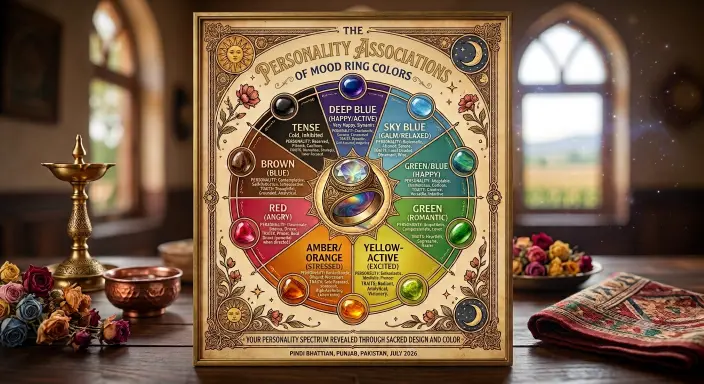
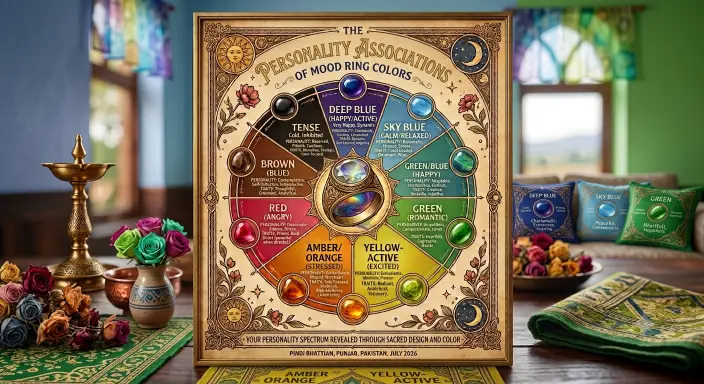
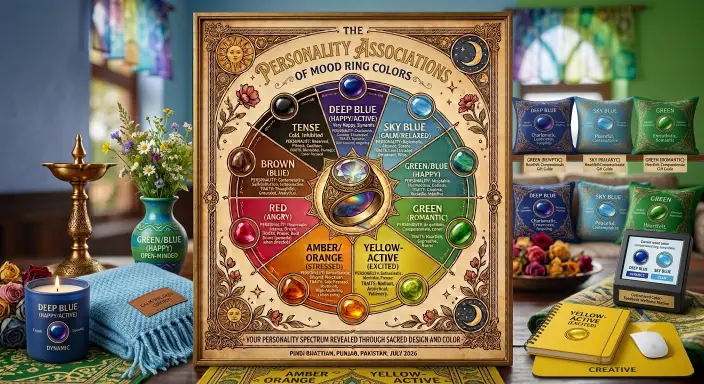
Many people enjoy choosing colors because they feel those colors represent their personality. However, a favorite color does not scientifically determine someone’s character.
Personality is influenced by many factors, including:
- Experiences
- Environment
- Education
- Relationships
- Personal values
Still, color preferences can offer interesting insights into personal style and emotional expression.
People Who Like Blue Shades
Those attracted to blue are often described as preferring:
- Calm environments
- Stability
- Organization
- Trustworthy relationships
Blue lovers may enjoy peaceful spaces and thoughtful communication.
People Who Like Green Shades
Green preferences are often connected with:
- Nature appreciation
- Balance
- Growth
- Fresh ideas
People who choose green may enjoy environments that feel natural and comfortable.
People Who Like Purple Shades
Purple preferences are often associated with:
- Creativity
- Individuality
- Imagination
- Artistic expression
People drawn to purple may enjoy exploring unusual ideas or expressing themselves differently.
People Who Like Red Shades
Red preferences are commonly connected with:
- Confidence
- Energy
- Adventure
- Strong expression
People who enjoy red may appreciate bold designs and noticeable styles.
Color meanings also change with trends.
How Context Changes Mood Ring Color Meaning
The meaning of a mood ring color depends on more than the color itself.
Several factors can change interpretation:
Lighting
The same shade may look different under sunlight, indoor lighting, or artificial bulbs.
For example, a purple shade may appear deeper in dim light and brighter outdoors.
Age and Personal Experience
People develop their own emotional connections with colors.
A color that reminds someone of a happy memory may create positive feelings, while another person may associate the same color with something negative.
Fashion and Trends
Color meanings also change with trends.
A color considered modern and exciting today may have a different reputation in another time period.
Color in Branding & Marketing: How Mood Ring Colors Influence Consumer Feelings
Colors play a major role in branding because people often notice visual elements before reading words. Companies carefully select colors to create certain impressions and emotional connections.
Although a color does not guarantee a specific reaction from every customer, it can influence how a brand feels.
Mood ring colors are especially interesting for branding because they represent emotions, personality, and self-expression.
Blue in Branding: Trust and Reliability
Blue is one of the most widely used branding colors because many people connect it with:
- Trust
- Security
- Professionalism
- Stability
- Technology
Companies in industries such as finance, healthcare, and technology often use blue because it can create a feeling of reliability.
A blue mood ring association fits naturally with brands that want to appear calm, dependable, and organized.
However, too much blue can sometimes feel cold or distant. Designers often combine it with warmer colors to create balance.
Green in Branding: Nature and Growth
Green is commonly used by brands related to:
- Environment
- Health
- Organic products
- Sustainability
- Wellness
Because green appears frequently in nature, it can create associations with freshness and renewal.
A company selling natural products may choose green packaging to communicate environmental awareness.
However, green does not always mean “natural.” The overall design, message, and product quality are still what build customer trust.
Purple in Branding: Creativity and Premium Identity
Purple is often selected by brands that want to appear:
- Creative
- Unique
- Imaginative
- Luxurious
Because of its historical connection with royalty, purple can create a premium feeling.
Creative industries, beauty products, and entertainment brands often use purple to stand apart from competitors.
Red in Branding: Energy and Attention
Red is one of the strongest attention-grabbing colors.
Brands use red to communicate:
- Excitement
- Speed
- Passion
- Confidence
- Action
Because red is visually powerful, it is often used in advertisements, sports branding, and promotional campaigns.
However, designers must use red carefully because excessive use can create feelings of urgency or aggression.
Mood Ring Colors in Interior Design
Colors influence how spaces feel. Interior designers consider color carefully because rooms can create different emotional experiences.
A mood ring-inspired color palette can help people design spaces that match their desired atmosphere.
Using Blue in Home Design
Blue is popular in homes because it can create a peaceful environment.
Blue works well in:
Bedrooms
Soft blue shades may create a relaxing atmosphere.
Offices
Blue can create a clean and focused feeling.
Bathrooms
Blue often connects with water and freshness.
Blue combines well with:
- White
- Gray
- Natural wood
- Beige
However, very dark blue rooms may feel smaller if not balanced with lighter elements.
Using Green in Home Design
Green brings a connection to nature and works well in many areas of the home.
Green can create:
- Freshness
- Comfort
- Balance
- Relaxation
Popular combinations include:
- Green with cream
- Green with brown
- Green with gold accents
Plants are another simple way to introduce green and create a natural atmosphere.
Using Purple in Home Design
Purple can add personality and creativity to a space.
Light purple shades can create a soft and elegant feeling, while deeper purples may create a dramatic appearance.
Purple works well with:
- Gray
- White
- Silver
- Soft pink
Because purple is visually strong, designers often use it as an accent color rather than covering an entire room.
Using Red in Home Design
Red creates energy and warmth.
It can work well in:
- Dining rooms
- Entertainment areas
- Accent walls
Red is often used to create a lively atmosphere.
However, too much bright red can feel overwhelming, so many designers use it in smaller amounts.
Color meanings also change with trends.
Mood Ring Colors in Fashion
Fashion uses color as a form of communication. Clothing choices can influence first impressions and help people express their identity.
Mood ring colors are popular in fashion because they represent emotions and personality.
Wearing Blue: Calm and Professional Style
Blue clothing often creates an impression of:
- Confidence
- Reliability
- Clean style
- Professionalism
Blue works well for:
- Business clothing
- Casual outfits
- Formal events
Common combinations include:
- Blue with white
- Blue with black
- Blue with beige
Wearing Green: Natural and Fresh Style
Green clothing often gives a feeling of:
- Freshness
- Confidence
- Connection with nature
Different green shades create different impressions.
For example:
- Olive green can appear mature and practical.
- Bright green can appear energetic and bold.
- Soft green can feel peaceful.
Wearing Purple: Creative and Unique Style
Purple fashion often suggests:
- Individuality
- Creativity
- Confidence
Purple accessories can add personality without overwhelming an outfit.
It works well with:
- Black
- White
- Gray
- Gold
Wearing Red: Bold and Confident Style
Red clothing naturally attracts attention.
People often choose red when they want to express:
- Confidence
- Energy
- Passion
- Strength
Red is commonly used for special occasions because it creates a memorable appearance.
Color Combinations Inspired by Mood Ring Meanings
Mood ring colors have symbolic meanings connected with emotions, but the ring itself only responds to temperature changes.
Combining colors allows designers and individuals to create specific moods.
Blue + White
This combination creates a feeling of:
- Cleanliness
- Peace
- Freshness
It is common in modern homes, websites, and professional designs.
Green + Brown
This pairing connects with nature.
It creates impressions of:
- Stability
- Earthiness
- Growth
It is often used in environmental branding and natural product designs.
Purple + Gold
Purple and gold together create a luxurious appearance.
They are often associated with:
- Creativity
- Elegance
- Premium quality
Red + Black
This combination creates a powerful visual effect.
It can communicate:
- Strength
- Drama
- Confidence
It is frequently used in entertainment, sports, and fashion.
Common Misconceptions About Mood Ring Color Meanings
Mood rings are fun and interesting, but many myths surround them.
Myth 1: Mood Rings Can Read Your Exact Emotions
A mood ring cannot know if someone is happy, sad, angry, or in love.
It only reacts to temperature changes.
The emotional meanings are symbolic interpretations, not scientific measurements.
Myth 2: Each Color Has Only One Meaning
Colors are complex.
A color can represent different ideas depending on:
- Culture
- Personal experiences
- Situation
- Design context
For example, red can represent love, danger, celebration, or power.
Myth 3: Dark Colors Always Mean Negative Feelings
A dark mood ring color does not automatically mean stress or sadness.
It may simply indicate:
- Cold hands
- Low room temperature
- Limited circulation
Myth 4: Everyone Experiences Colors the Same Way
People respond to colors differently.
A person’s memories, culture, and environment influence their emotional connection with colors.
Color meanings also change with trends.
Real-World Applications of Mood Ring Color Symbolism
Mood ring colors are used beyond jewelry. Their symbolism appears in many creative fields.
Daily Life
People use color symbolism when choosing:
- Clothes
- Accessories
- Room decoration
- Personal items
Colors help people express moods and preferences.
Business and Marketing
Companies use color psychology to create brand identities.
They consider:
- Customer expectations
- Industry standards
- Emotional associations
A successful brand uses color together with strong messaging and quality products.
Art and Photography
Artists use colors to guide emotions.
Photographers may use:
- Blue tones for peaceful scenes
- Warm colors for energy
- Dark shades for mystery
Color choices help tell stories without words
Entertainment and Media
Movies, games, and creative projects often use colors symbolically.
For example:
- Dark colors may create mystery.
- Bright colors may create excitement.
- Cool colors may create calm environments.
Frequently Asked Questions About Real Mood Ring Color Meanings
1. What do mood ring colors really mean?
Mood ring colors have symbolic meanings connected with emotions, but the ring itself only responds to temperature changes.
2. What does a blue mood ring mean?
A blue mood ring is commonly associated with calmness, relaxation, and emotional balance.
3. Does a black mood ring mean sadness?
Not necessarily. A black mood ring often appears because of cooler temperature rather than negative emotions.
4. Are mood rings scientifically accurate?
Mood rings accurately respond to temperature changes, but they do not scientifically measure emotions.
5. What does a purple mood ring symbolize?
Purple is often associated with creativity, imagination, mystery, and strong emotions.
6. Why does my mood ring change colors often?
Your mood ring may change because of body temperature, weather, hand movement, or circulation changes.
7. Can mood rings predict my feelings?
No. Mood rings cannot predict emotions. They only provide a fun way to connect colors with personal reflection.
8. What is the most common mood ring color?
Green and blue shades are among the most commonly seen mood ring colors because they usually appear at normal temperature ranges.
9. Why do people like mood rings?
People enjoy mood rings because they combine science, fashion, curiosity, and personal expression.
10. Are mood ring meanings the same worldwide?
No. Color meanings vary between cultures, traditions, and individual experiences.
Conclusion: Understanding the Real Meaning Behind Mood Ring Colors
Real mood ring color meanings exist at the intersection of science, symbolism, and personal interpretation. While mood rings do not actually read emotions, they offer an enjoyable way to explore how humans connect colors with feelings.
The changing shades remind us that colors communicate ideas beyond simple decoration. Blue can suggest calmness, green can represent balance, purple can inspire creativity, and red can express energy. Yet, every color carries different meanings depending on culture, personal experiences, and context.
Whether used as jewelry, a fashion statement, a design inspiration, or a conversation starter, mood rings continue to attract attention because they connect something physical with something deeply human — our emotions and imagination.
Understanding colors helps us make better choices in clothing, branding, art, and everyday environments. A simple color can influence how we feel, how others see us, and how we express ourselves to the world.
Emma Wilson is a dedicated comparison writer and product researcher at ColorMystiic.com. She specializes in creating unbiased product comparisons, detailed reviews, and helpful buying guides. Her goal is to help readers make smarter purchasing decisions with confidence.