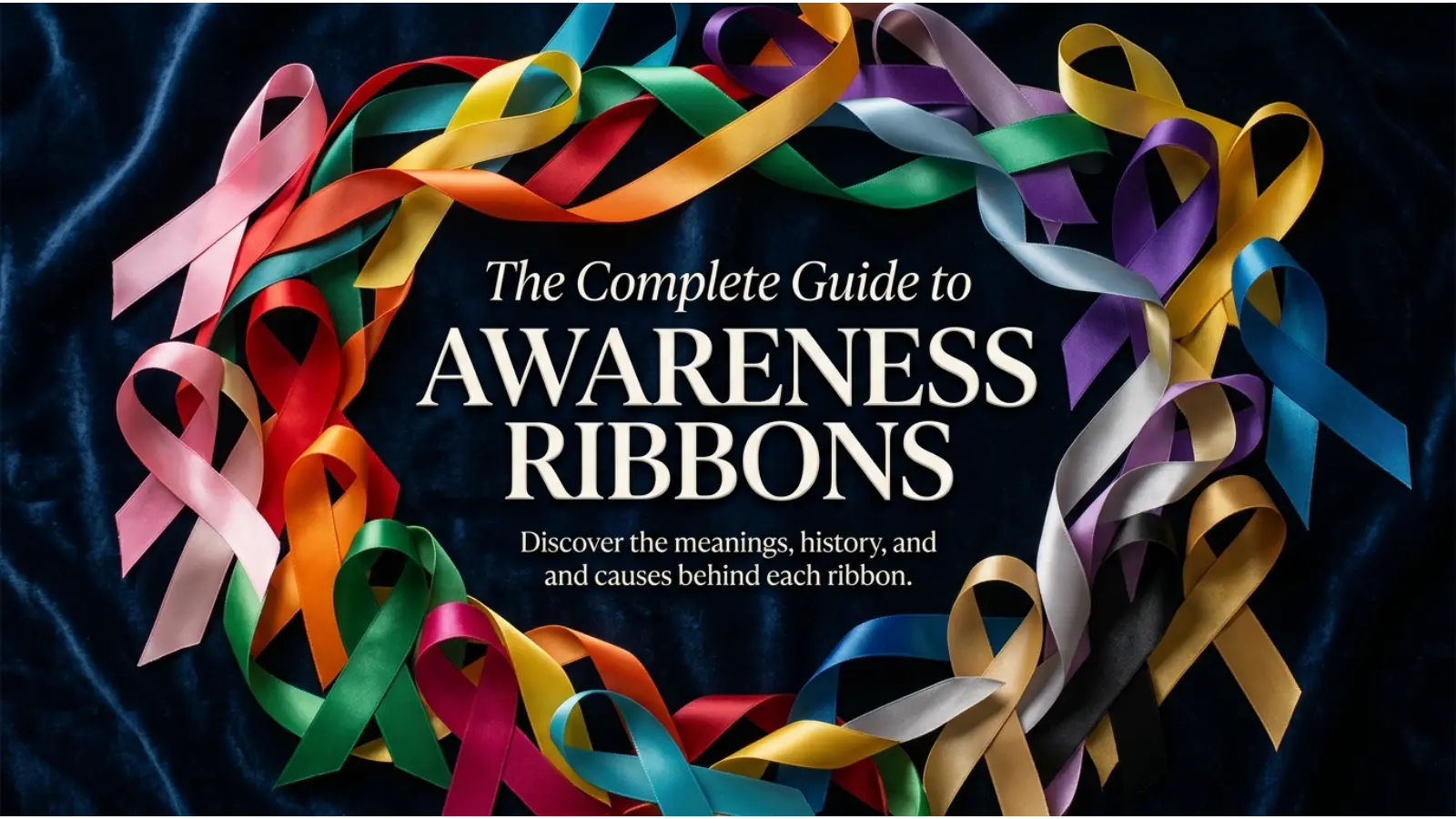
Awareness ribbons are simple pieces of colored fabric, yet they carry powerful messages. They help people show support, honor loved ones, remember important events, and raise awareness for health conditions, social causes, and humanitarian efforts. Because each ribbon color can represent multiple causes, understanding awareness ribbon color meanings requires looking at history, culture, and context—not just the color itself.
Many people search for ribbon colors before participating in awareness campaigns, fundraising events, or memorial ceremonies. Others want to wear a ribbon respectfully and ensure it represents the intended cause.
This guide explains the symbolism behind the most common awareness ribbon colors, why meanings sometimes overlap, and how ribbons continue to inspire hope and action worldwide.
Quick Answer:
Awareness ribbon colors symbolize support for specific health conditions, social causes, and community movements. While some colors have widely recognized meanings—such as pink for breast cancer awareness and red for HIV/AIDS awareness—many ribbon colors represent multiple causes. Always consider the event or organization using the ribbon for the most accurate meaning.
What Are Awareness Ribbons?
An awareness ribbon is a folded loop of colored ribbon worn to express solidarity, remembrance, advocacy, or education about a particular cause.
Modern awareness ribbons became especially well known during the late twentieth century, although colored ribbons had been used for remembrance and public support long before then.
Today they appear in:
- Health awareness campaigns
- Charity walks
- Fundraising events
- Memorial ceremonies
- School programs
- Community organizations
- Social media campaigns
- Corporate awareness initiatives
Rather than speaking with words, a ribbon quietly communicates support and encourages conversations about important issues.
What Do Awareness Ribbon Colors Symbolize?
The meaning of a ribbon comes from both its color psychology and the cause it represents.
For example:
- Pink naturally suggests compassion and care.
- Blue often communicates trust and calmness.
- Purple is commonly linked with courage and dignity.
- Green represents hope and renewal.
- Gold symbolizes strength and resilience.
Over time, organizations adopted colors that matched the emotions they wanted people to associate with their missions.
However, no universal authority assigns ribbon colors, so many organizations independently choose the same color for different causes.
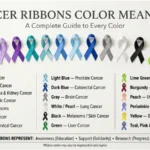
Awareness Ribbon Color Meanings Chart
| Ribbon Color | Common Meanings | Emotional Symbolism |
|---|---|---|
| Pink | Breast cancer awareness, nursing mothers, birth parents | Compassion, hope, care |
| Red | HIV/AIDS, heart disease, substance abuse awareness | Love, courage, urgency |
| Orange | Leukemia, kidney cancer, multiple sclerosis awareness (some groups) | Energy, determination |
| Yellow | Suicide prevention, endometriosis, military support | Hope, optimism, remembrance |
| Gold | Childhood cancer | Strength, bravery, resilience |
| Green | Mental health, organ donation, cerebral palsy | Growth, healing, renewal |
| Blue | Child abuse prevention, colon cancer, prostate cancer (light blue) | Trust, protection, peace |
| Purple | Alzheimer’s disease, pancreatic cancer, domestic violence | Courage, dignity, wisdom |
| White | Lung cancer, peace movements, bone disease awareness | Purity, remembrance, unity |
| Teal | Ovarian cancer, PTSD, food allergy awareness | Healing, emotional balance |
| Lavender | All cancers awareness | Compassion, support |
| Black | Mourning, melanoma awareness, remembrance | Strength, grief, respect |
| Gray | Brain cancer, diabetes awareness (some organizations) | Balance, resilience |
| Zebra Print | Rare disease awareness | Uniqueness, advocacy |
| Rainbow | LGBTQ+ pride, diversity, inclusion | Acceptance, equality, celebration |
Why Do Some Ribbon Colors Have Multiple Meanings?
One of the biggest misconceptions is that every ribbon color represents only one cause.
In reality:
- Different organizations may independently select the same color.
- Some causes share similar emotional themes.
- New awareness campaigns often adopt existing ribbon colors.
- Certain ribbon shades vary slightly, creating different meanings.
For example:
A blue ribbon may represent child abuse prevention, colon cancer awareness, prostate cancer awareness (light blue), or anti-bullying efforts depending on the campaign.
This is why context matters more than color alone.
The Psychology Behind Awareness Ribbon Colors
Color psychology helps explain why certain ribbon colors feel appropriate for specific causes. While scientific research shows that colors can influence perception and emotion, reactions vary by culture and personal experience.
Pink
Pink encourages feelings of kindness, compassion, and emotional support.
Red
Red attracts attention quickly. It communicates urgency, strength, and determination.
Green
Green often creates feelings of healing, renewal, and hope for recovery.
Blue
Blue promotes calmness, trust, and reassurance during difficult situations.
Purple
Purple combines emotional warmth with wisdom, making it suitable for causes requiring compassion and dignity.
Gold
Gold reflects courage and the precious value of every life, especially in childhood cancer awareness.
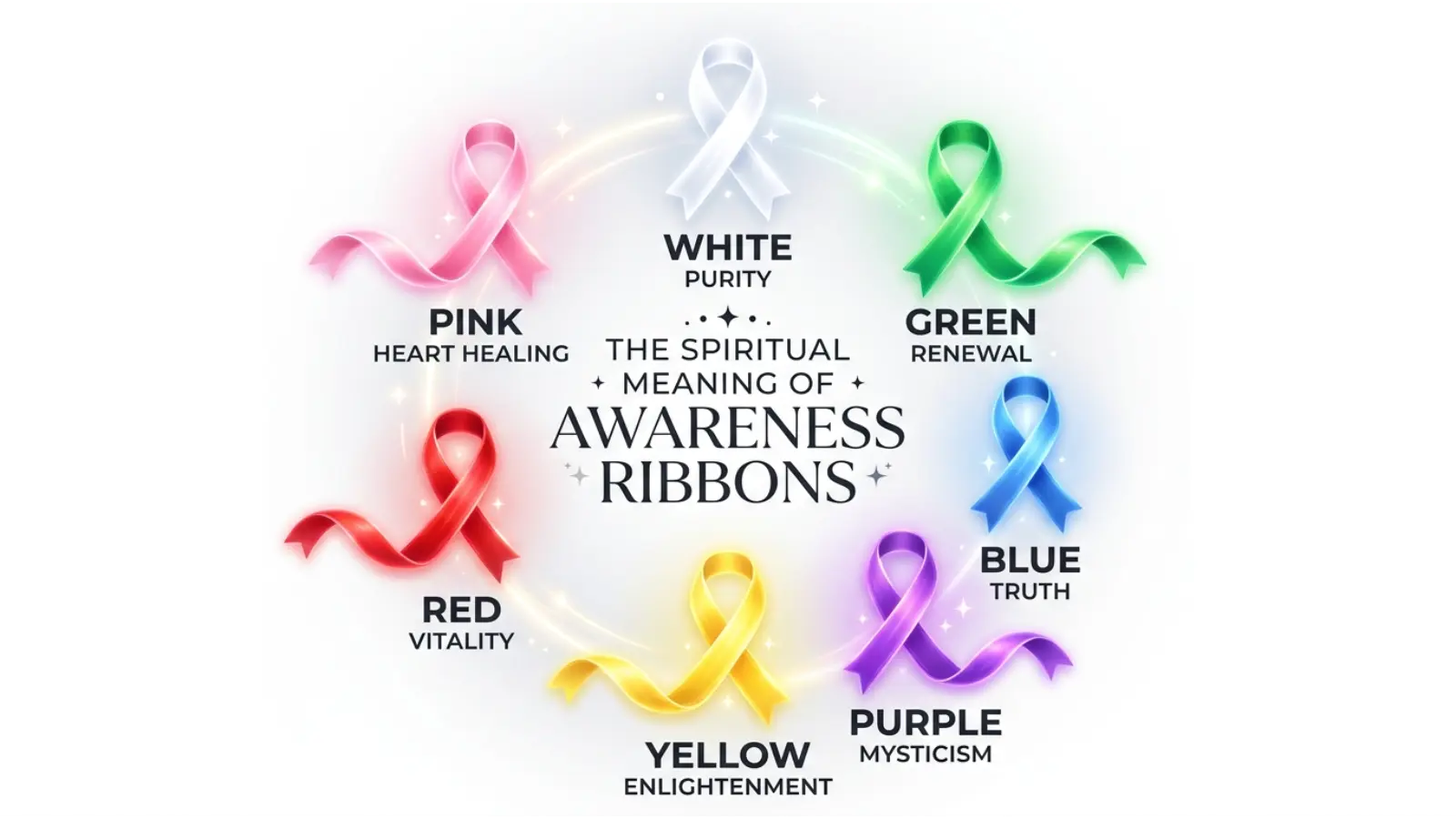
Spiritual Awareness Ribbon Color Meanings
Many people also view ribbon colors through spiritual or symbolic traditions. These interpretations are not universal and vary across cultures and beliefs.
Some common symbolic associations include:
- Green: Renewal, growth, healing
- Purple: Inner wisdom and transformation
- White: Peace and spiritual clarity
- Gold: Divine strength and hope
- Blue: Faith and protection
- Pink: Compassion and unconditional love
- Red: Life force and courage
These symbolic meanings are separate from official awareness campaigns but often reinforce their emotional message.
Cultural Interpretations of Ribbon Colors
Colors do not carry identical meanings worldwide.
Western Cultures
Many ribbon campaigns began in North America and Europe, making these color associations widely recognized.
East Asian Cultures
White may symbolize mourning rather than purity, while red often represents luck, celebration, and prosperity.
Middle Eastern Traditions
Green frequently symbolizes life, renewal, and spiritual importance.
African Traditions
Color meanings vary greatly among regions and ethnic groups. Bright colors often celebrate community, identity, and heritage.
Latin America
Ribbon campaigns generally follow international awareness standards while blending local traditions and community initiatives.
A Brief History of Awareness Ribbons
Colored ribbons have symbolized loyalty, remembrance, and support for centuries.
Important milestones include:
- Yellow ribbons associated with waiting for loved ones to return from military service.
- Red ribbons becoming internationally recognized during HIV/AIDS awareness campaigns in the early 1990s.
- Pink ribbons gaining worldwide recognition through breast cancer awareness efforts.
- Many charities later adopted additional colors to represent specific medical conditions and social causes.
Today, awareness ribbons are recognized around the world.
Do Ribbon Colors Reflect Personality?
Some people feel drawn to certain ribbon colors because of their personal experiences or emotional connections.
For example:
- Green may appeal to people who value healing and growth.
- Blue often attracts those seeking calm and stability.
- Purple may resonate with individuals who appreciate compassion and wisdom.
However, there is no scientific evidence that wearing or preferring a ribbon color reveals someone’s personality. Personal preference is influenced by many factors, including culture, memories, and individual taste.
Awareness Ribbon Colors in Branding and Nonprofit Campaigns
Successful awareness campaigns carefully choose ribbon colors that communicate emotion quickly.
For example:
- Bright colors attract attention during fundraising events.
- Soft colors create feelings of comfort and care.
- High-contrast designs improve visibility on posters and digital media.
- Consistent color use helps organizations become instantly recognizable.
A simple ribbon often becomes the visual identity of an entire awareness movement.
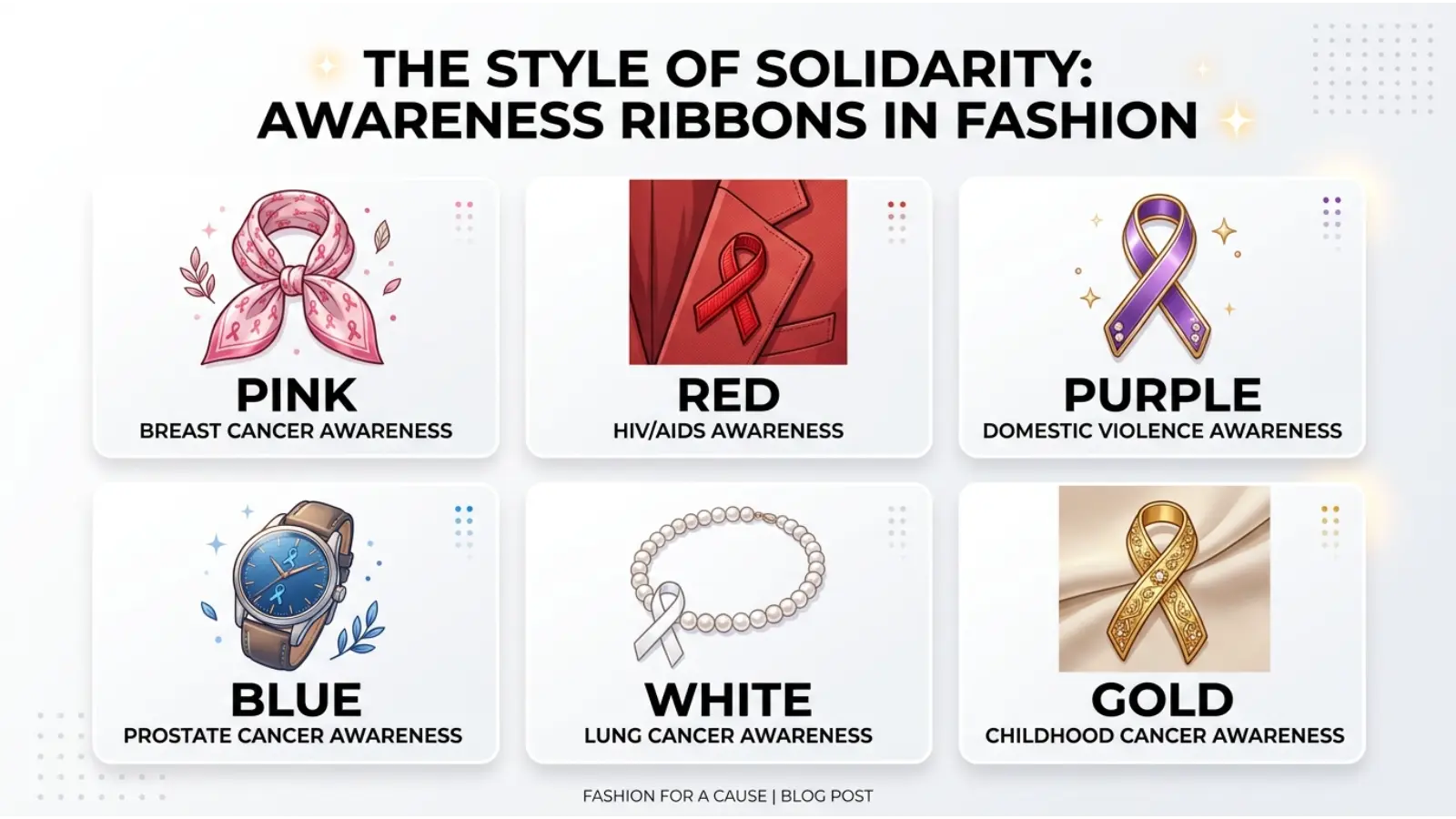
Awareness Ribbon Colors in Fashion
Many people wear ribbon pins, bracelets, scarves, or clothing during awareness months.
Popular styling ideas include:
- Ribbon pins on jackets
- Awareness bracelets
- Colored shoelaces
- Lapel pins
- Charity T-shirts
- Matching accessories during fundraising walks
Fashion allows supporters to start meaningful conversations while expressing solidarity.
How Designers Use Awareness Ribbon Colors
Graphic designers consider several factors when creating awareness materials.
These include:
- Contrast for readability
- Accessibility for color-blind audiences
- Emotional tone
- Print consistency
- Digital visibility
- Cultural sensitivity
A well-designed awareness campaign balances visual appeal with respectful communication.
Everyday Uses of Awareness Ribbon Colors
Ribbon colors appear in many places beyond fundraising events.
Examples include:
- Hospital campaigns
- School awareness weeks
- Community walks
- Charity races
- Corporate social responsibility programs
- Memorial ceremonies
- Social media profile images
- Educational materials
These visual reminders help keep important conversations active throughout the year.
Common Misconceptions About Awareness Ribbon Colors
Every ribbon color has only one meaning.
False. Many colors represent multiple causes.
All organizations use identical ribbon colors.
Not always. Some charities choose different shades or entirely different colors.
Wearing a ribbon automatically supports an organization financially.
No. Wearing a ribbon shows awareness or solidarity, but donations are usually separate.
Ribbon colors never change.
Awareness campaigns sometimes adopt new colors or updated designs as movements evolve.
Frequently Asked Questions
What is the most recognized awareness ribbon color?
Pink is among the most widely recognized because of its connection with breast cancer awareness.
Why do multiple causes use the same ribbon color?
There is no single international authority assigning ribbon colors, so different organizations sometimes choose the same color independently.
What does a green awareness ribbon mean?
Green commonly represents mental health awareness, organ donation, and hope for healing, though meanings vary by organization.
What does a purple ribbon symbolize?
Purple ribbons are often associated with Alzheimer’s disease, pancreatic cancer, domestic violence awareness, and courage.
Is there an official list of awareness ribbon colors?
No. Several organizations publish ribbon charts, but there is no universal global standard.
Can I wear any awareness ribbon?
Yes, provided you understand and respect the cause it represents.
Why are awareness ribbons so effective?
Their simple design makes them easy to recognize, wear, and remember, helping spread awareness through everyday conversations.
Do ribbon shades matter?
Yes. Light blue, dark blue, lavender, and purple can represent different causes.
What does a rainbow ribbon represent?
Rainbow ribbons commonly symbolize LGBTQ+ pride, diversity, inclusion, and equality.
Are awareness ribbons only for medical conditions?
No. They also represent social causes, military support, humanitarian efforts, environmental issues, and remembrance.
Final Thoughts
Awareness ribbons are far more than colorful accessories. Each ribbon tells a story of resilience, remembrance, advocacy, or hope. While colors often carry psychological and cultural symbolism, their true meaning comes from the people and communities they represent.
Understanding awareness ribbon color meanings helps us communicate support with respect and accuracy. Whether worn during a charity walk, displayed during an awareness month, or shared online, a simple ribbon can inspire conversations, encourage compassion, and remind us that even small symbols can unite people around important causes.

Emma Wilson is a dedicated comparison writer and product researcher at ColorMystiic.com. She specializes in creating unbiased product comparisons, detailed reviews, and helpful buying guides. Her goal is to help readers make smarter purchasing decisions with confidence.