Mental health awareness ribbons are more than colorful pieces of fabric. They are powerful symbols of compassion, advocacy, education, and hope. Across the world, people wear different ribbon colors to show support for mental health causes, honor loved ones, reduce stigma, and encourage open conversations about emotional well-being.Many people search for ribbon color meanings mental health because ribbon colors are not always universal.
Some represent broad mental health awareness, while others are linked to specific conditions, prevention campaigns, or advocacy movements. Their meanings can also vary depending on the organization, country, or cultural tradition.
This guide explains what each ribbon color represents, where the symbolism comes from, and how these ribbons are used in healthcare, education, workplaces, fundraising events, and everyday life.
Quick Answer:
The green ribbon is the most widely recognized symbol of mental health awareness. Other ribbon colors, such as teal, purple, silver, yellow, and white, are associated with specific mental health conditions, suicide prevention, trauma awareness, and emotional well-being depending on the campaign or organization.
What Do Mental Health Awareness Ribbons Symbolize?
Mental health awareness ribbons symbolize solidarity, understanding, acceptance, and hope. They encourage conversations about emotional wellness while reminding people that mental health deserves the same attention as physical health.
Unlike medical symbols that represent diagnosis or treatment, awareness ribbons focus on:
- Reducing stigma
- Encouraging early support
- Promoting education
- Honoring recovery journeys
- Supporting families and caregivers
- Inspiring community action
The meaning comes from the community wearing the ribbon rather than the ribbon itself.
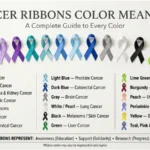
Mental Health Ribbon Color Meanings Chart
| Ribbon Color | Common Meaning | Emotional Symbolism | Typical Awareness Campaigns |
|---|---|---|---|
| Green | General Mental Health Awareness | Hope, renewal, healing | Mental Health Awareness Month |
| Teal | Anxiety & PTSD (some organizations) | Calm, emotional balance | Trauma awareness |
| Purple | Mental health advocacy & emotional resilience | Strength, dignity | Mental wellness campaigns |
| Silver | Brain disorders and neurological awareness | Reflection, resilience | Brain health initiatives |
| Yellow | Suicide prevention and hope | Optimism, support | Suicide awareness programs |
| White | Peace and recovery | New beginnings | Wellness and healing events |
| Blue | Emotional support in selected campaigns | Trust, stability | Community mental wellness |
| Orange | Youth emotional health (varies) | Energy, encouragement | School awareness events |
Note: Ribbon colors are not standardized worldwide. Different charities and organizations may assign different meanings to the same color.
Why Is the Green Ribbon the Main Symbol of Mental Health?
Green has become the international symbol of mental health awareness because it naturally represents growth, renewal, healing, and balance.
Psychologically, green is associated with nature, restoration, and emotional recovery. Many people find green environments calming, although responses to color differ between individuals.
The green ribbon reminds communities that:
- Recovery is possible.
- Asking for help shows strength.
- Mental illness should not carry shame.
- Every person deserves compassion and understanding.
Today, green ribbons are commonly worn during Mental Health Awareness Month, fundraising walks, educational seminars, and workplace wellness initiatives.
The Psychology Behind Mental Health Ribbon Colors
Color psychology studies how colors influence perception and emotional responses. While research suggests colors can affect mood and attention, no color alone can diagnose, treat, or cure mental health conditions.
Instead, awareness campaigns choose colors because of their symbolic associations.
Green
Green often represents:
- Emotional renewal
- Personal growth
- Balance
- Recovery
- Hope
Purple
Purple symbolizes:
- Inner strength
- Courage
- Wisdom
- Compassion
- Emotional resilience
Teal
Teal combines the calming qualities of blue with the restorative qualities of green, making it a fitting symbol for healing and emotional stability.
Yellow
Yellow communicates optimism and visibility. In suicide prevention campaigns, it encourages people to recognize warning signs and reach out for support.
White
White reflects peace, acceptance, healing, and new beginnings.
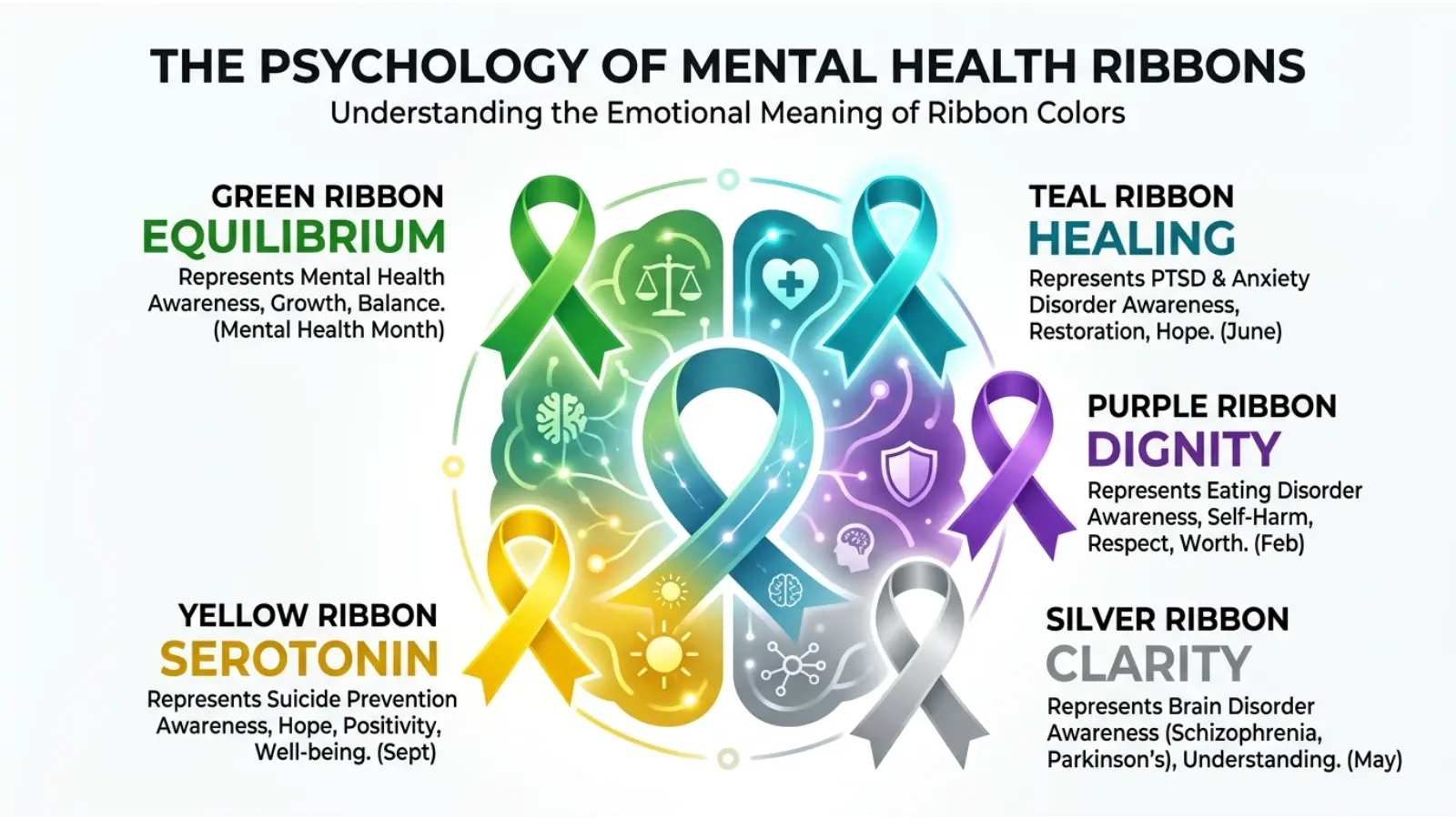
Emotional Ribbon Color Meanings for Mental Health
Every ribbon tells a story beyond its official campaign.
Green often communicates:
- “You are not alone.”
Purple often says:
- “Strength can exist alongside struggle.”
Yellow reminds people:
- “Hope is always worth protecting.”
Silver reflects:
- “The mind deserves care just like the body.”
White encourages:
- “Healing is possible.”
These meanings help people express support even without words.
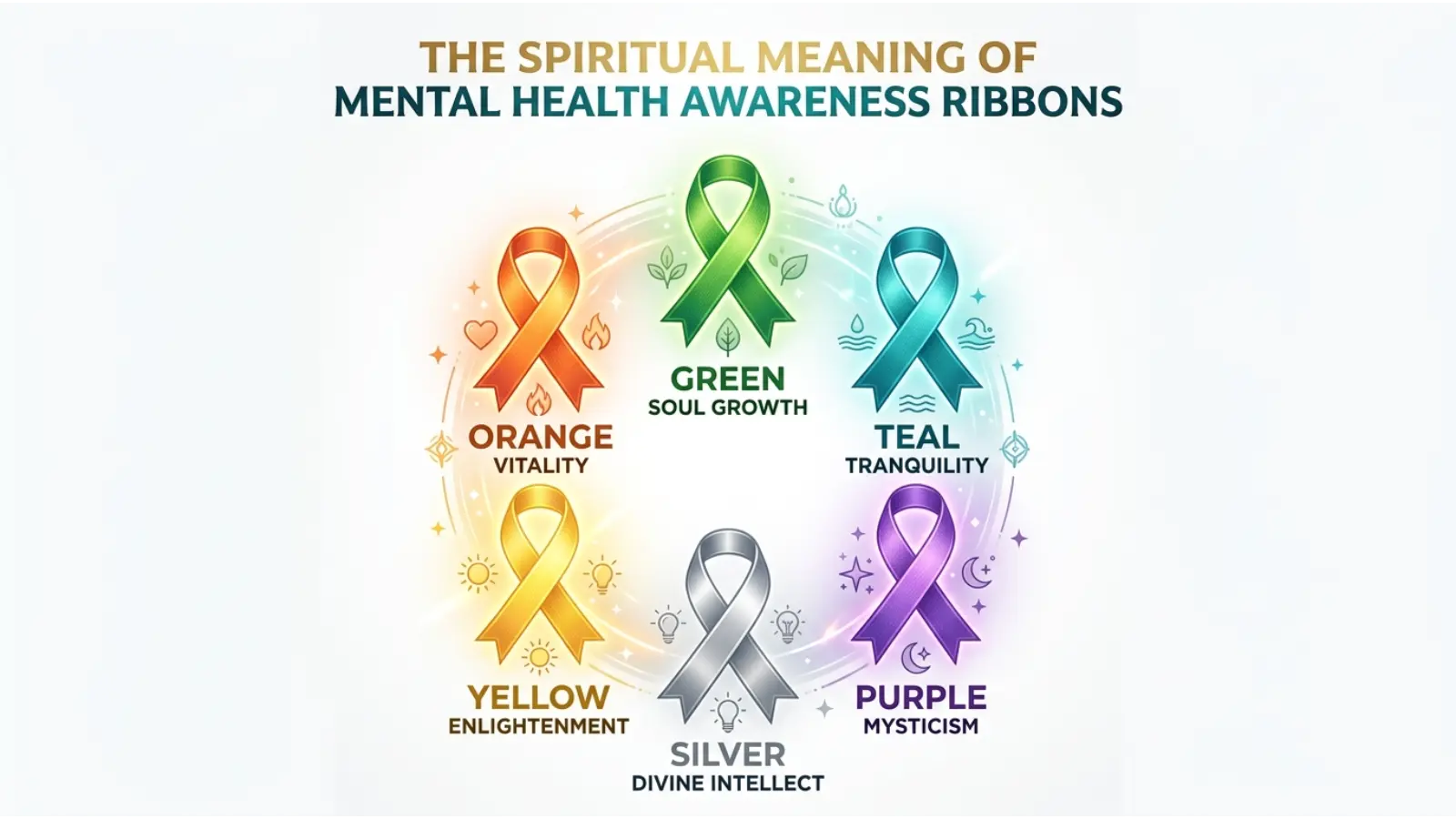
Spiritual Ribbon Color Meanings for Mental Health
Spiritual interpretations vary widely among cultures and personal beliefs. They should be viewed as symbolic rather than universal truths.
Many people associate:
- Green with healing, renewal, and personal growth.
- Purple with wisdom, reflection, and spiritual transformation.
- White with peace and emotional cleansing.
- Blue with trust and inner calm.
- Teal with emotional balance and harmony.
These meanings are personal interpretations and are not tied to one religion.
Cultural Perspectives on Mental Health Ribbon Colors
Different cultures understand color symbolism in unique ways.
Western Countries
Green commonly represents hope and health, making it a natural choice for mental health advocacy.
East Asia
Green may symbolize harmony, vitality, and renewal, although meanings vary between countries.
Middle Eastern Traditions
Green is often associated with life and prosperity, giving it additional positive symbolism in awareness campaigns.
Indigenous Communities
Many Indigenous traditions connect green with nature, balance, and respect for life, although interpretations differ among nations.
Global Awareness Campaigns
International organizations increasingly use green because it carries generally positive meanings across many cultures.
How Mental Health Ribbon Meanings Have Changed Over Time
Awareness ribbons became popular during the late twentieth century as nonprofit organizations searched for simple symbols that communities could easily recognize.
Mental health campaigns later adopted green ribbons to:
- Reduce discrimination
- Encourage education
- Increase funding
- Promote early intervention
- Normalize conversations about emotional health
Today, ribbons appear in schools, hospitals, sports events, workplaces, and social media campaigns around the world.
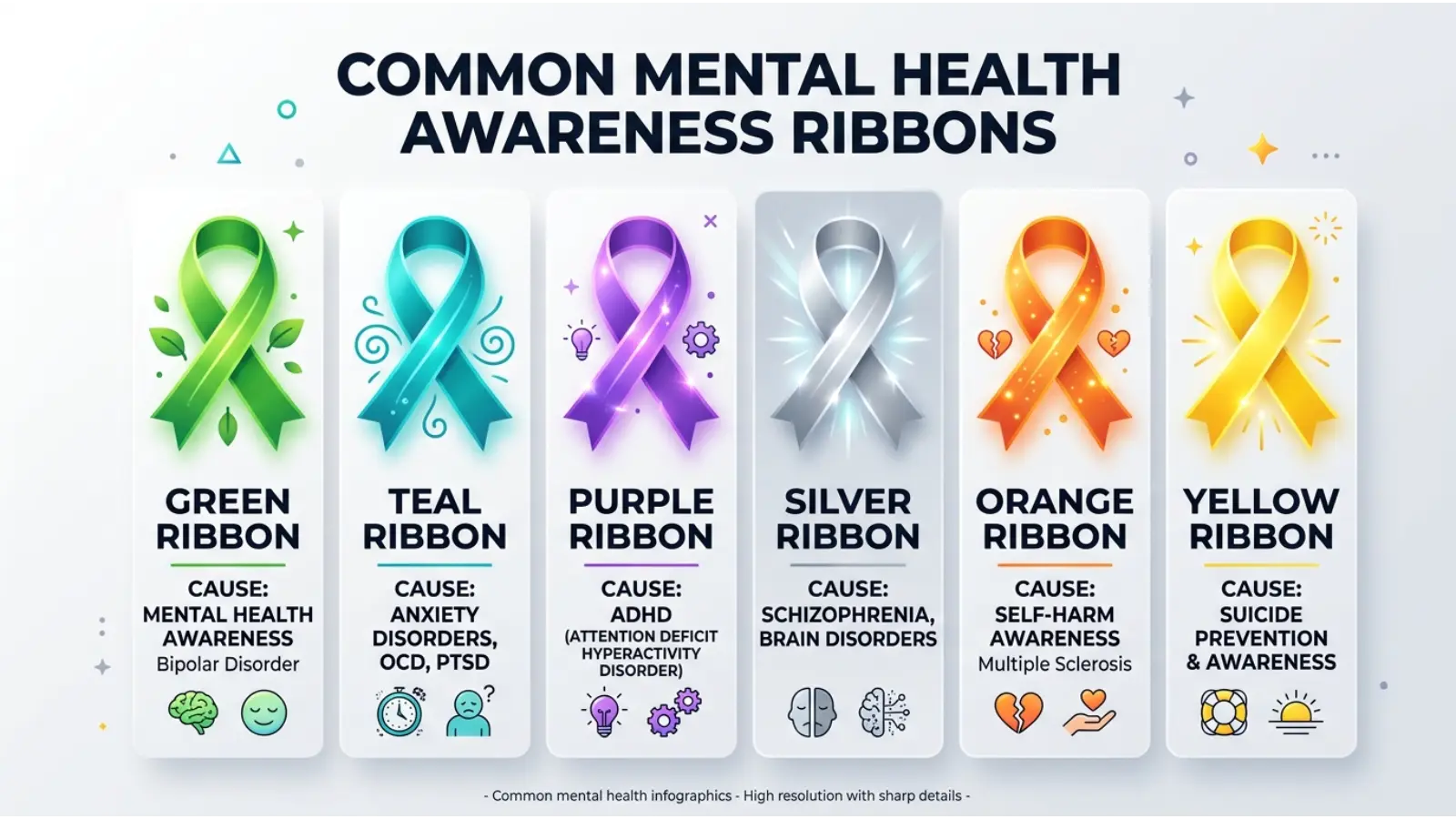
Common Mental Health Awareness Ribbon Colors
Green Ribbon
The best-known mental health awareness symbol worldwide.
Represents:
- Hope
- Healing
- Recovery
- Emotional wellness
Yellow Ribbon
Often linked with:
- Suicide prevention
- Crisis awareness
- Hope
- Community support
Purple Ribbon
Frequently used for:
- Emotional resilience
- Mental wellness advocacy
- Trauma support
- Strength
Teal Ribbon
Commonly associated with:
- Anxiety awareness
- PTSD awareness
- Stress education
- Emotional healing
Silver Ribbon
Represents:
- Brain health
- Neurological awareness
- Cognitive disorders
- Mental resilience
Mental Health Ribbons in Schools and Workplaces
Organizations increasingly use ribbon campaigns to encourage supportive environments.
Examples include:
- Mental Health Awareness Month events
- Employee wellness programs
- University counseling campaigns
- Peer support groups
- Community fundraising walks
- Educational workshops
A simple ribbon often starts meaningful conversations that reduce stigma.
Mental Health Ribbon Colors in Branding and Awareness Campaigns
Nonprofit organizations carefully choose ribbon colors because color influences recognition and emotional response.
Green works especially well because it communicates:
- Safety
- Growth
- Trust
- Calmness
- Optimism
Campaign designers often pair green with:
- White for clarity
- Blue for trust
- Gray for professionalism
This combination creates accessible and welcoming visual identities.
How Designers Use Mental Health Ribbon Colors
Graphic designers use awareness colors thoughtfully.
Common applications include:
- Charity logos
- Event banners
- Educational posters
- Social media graphics
- Hospital brochures
- Fundraising merchandise
Soft shades often create a calming appearance, while brighter tones attract attention during awareness campaigns.
Mental Health Ribbon Colors in Fashion
Many people wear awareness ribbons on:
- Jackets
- Shirts
- Hats
- Lanyards
- Backpacks
- Wristbands
- Lapel pins
The goal is not fashion alone but visible support for mental health conversations.
Minimal designs often communicate the message most effectively.
Color Combinations That Complement Mental Health Awareness Ribbons
| Ribbon Color | Pairs Well With | Why It Works |
|---|---|---|
| Green | White | Clean, hopeful appearance |
| Green | Navy Blue | Professional and trustworthy |
| Purple | Silver | Elegant and supportive |
| Yellow | Gray | Balanced visibility |
| Teal | White | Calm and modern |
| Green | Light Gray | Soft healthcare aesthetic |
Common Misconceptions About Mental Health Ribbon Colors
Every Organization Uses the Same Colors
False.
Ribbon meanings vary between organizations and countries.
One Ribbon Represents Every Mental Health Condition
Not exactly.
The green ribbon broadly represents mental health awareness, while other colors may represent specific conditions or campaigns.
Wearing a Ribbon Solves Mental Health Problems
A ribbon raises awareness but cannot replace professional care, therapy, medication, or community support.
Color Alone Creates Emotional Healing
Scientific evidence does not show that simply viewing a ribbon color can treat mental illness. Color can influence perception and mood for some people, but mental health care requires comprehensive support.
Real-World Uses of Mental Health Ribbon Colors
Mental health ribbons appear in many settings.
Healthcare
- Hospital awareness campaigns
- Counseling centers
- Community clinics
Education
- School assemblies
- University wellness weeks
- Student organizations
Business
- Employee wellness initiatives
- Human resources campaigns
- Mental health training
Sports
Athletes often wear awareness ribbons during special events to encourage conversations about emotional well-being.
Social Media
Digital ribbon graphics help spread awareness during global campaigns and fundraising events.
Why Awareness Ribbon Colors Matter
Color works as a visual shortcut.
Before someone reads a message, they notice its colors.
A recognizable ribbon can:
- Spark conversations
- Build community
- Encourage empathy
- Increase campaign recognition
- Make educational materials easier to identify
- Help people feel less isolated
While a ribbon cannot replace treatment, it can remind someone that support exists.
Frequently Asked Questions
What color ribbon represents mental health?
The green ribbon is the most widely recognized symbol of general mental health awareness.
Is there one official mental health ribbon color?
No. Green is the most common, but different organizations use additional colors for specific campaigns and conditions.
Why is green used for mental health?
Green symbolizes growth, renewal, healing, hope, and emotional balance, making it a meaningful choice for awareness efforts.
What does the yellow mental health ribbon mean?
Yellow is often associated with suicide prevention, hope, and encouraging people to seek help during difficult times.
What does the purple ribbon represent?
Purple commonly symbolizes emotional strength, resilience, dignity, and mental wellness advocacy.
What does a teal ribbon mean?
Depending on the organization, teal may represent anxiety awareness, PTSD awareness, or trauma recovery.
Can ribbon meanings vary between countries?
Yes. Cultural traditions and nonprofit organizations sometimes assign different meanings to the same ribbon color.
Do ribbon colors have scientific psychological effects?
Colors can influence perception and mood in some situations, but there is no evidence that ribbon colors alone improve or treat mental health conditions.
Are awareness ribbons only for people with mental illness?
No. Friends, families, healthcare professionals, educators, employers, and community members also wear ribbons to show support and reduce stigma.
How can I support mental health beyond wearing a ribbon?
You can learn about mental health, listen without judgment, encourage people to seek professional help when needed, support awareness campaigns, and advocate for accessible mental health resources.
Final Thoughts
Mental health awareness ribbons are simple symbols with meaningful messages. The green ribbon, along with other awareness colors, reminds us that compassion, education, and open conversations can help reduce stigma and strengthen communities.
Although ribbon colors may differ between organizations and cultures, their shared purpose remains the same: to encourage understanding, support those facing mental health challenges, and promote a future where seeking help is accepted without fear or shame. Whether worn at a community event, displayed in a workplace, or shared online, these ribbons represent hope—and the belief that no one should have to face mental health struggles alone.

Emma Wilson is a dedicated comparison writer and product researcher at ColorMystiic.com. She specializes in creating unbiased product comparisons, detailed reviews, and helpful buying guides. Her goal is to help readers make smarter purchasing decisions with confidence.