The LGBT flag color meanings tell a story of identity, resilience, hope, and community. More than a colorful design, the Pride flag has become one of the world’s most recognizable symbols of equality and belonging. Each stripe was chosen with a purpose, reflecting values that continue to inspire millions of people.
Many people search for LGBT flag color meanings because they want to understand the symbolism behind Pride celebrations, flags seen at events, or designs used by organizations and businesses. While the best-known Pride flag has evolved over time, its colors still represent powerful ideas that connect people across cultures.
This guide explains the history, symbolism, psychology, cultural significance, and practical use of LGBT flag colors while separating historical facts from symbolic interpretation.
Quick Answer:
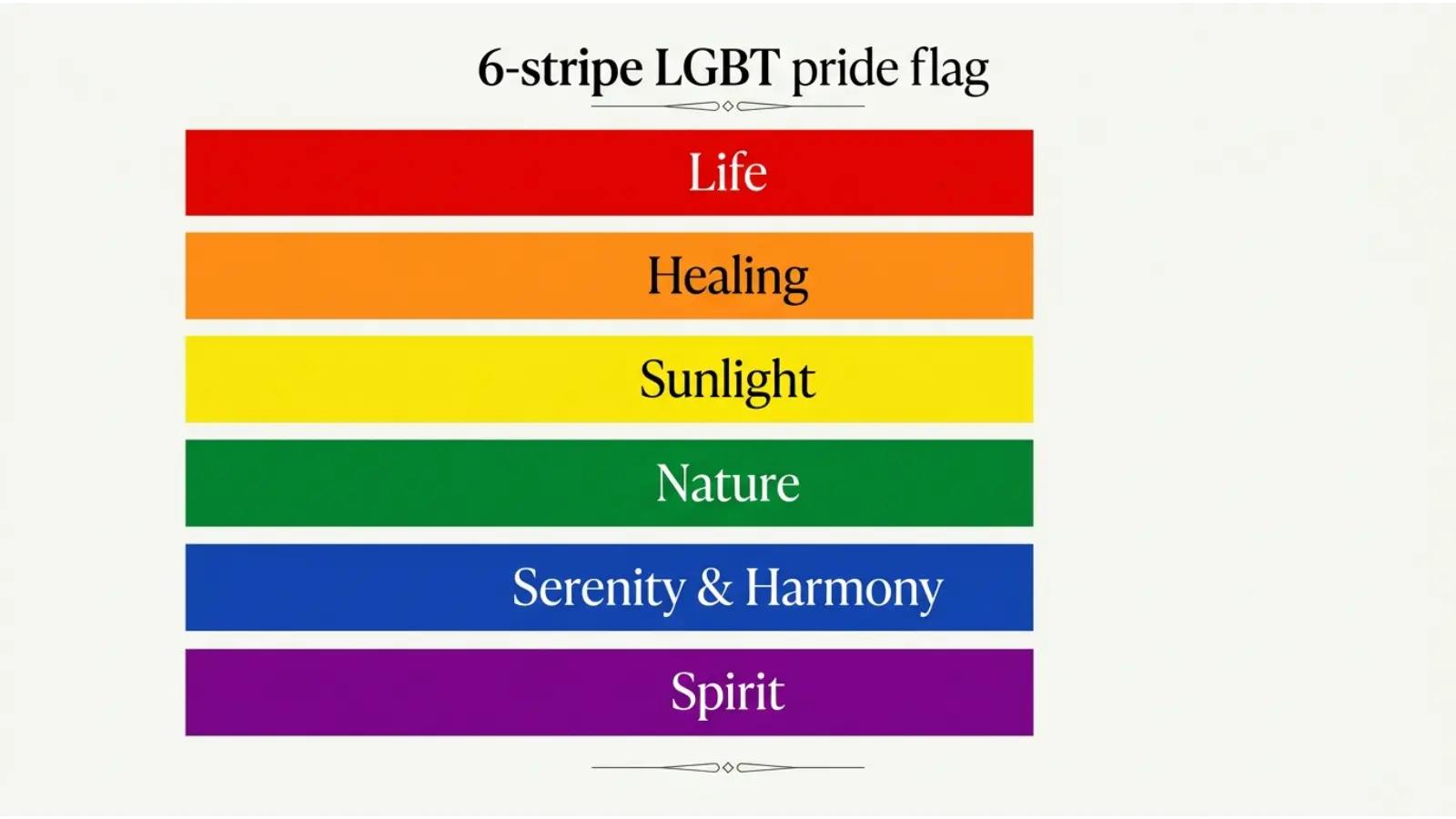
The traditional six-color LGBT Pride flag represents life (red), healing (orange), sunlight (yellow), nature (green), harmony (blue), and spirit (purple). Earlier versions included hot pink for sexuality and turquoise for magic and art before production limitations reduced the flag to six stripes.
What Are the LGBT Flag Color Meanings?
The Pride flag was originally designed in 1978 by artist Gilbert Baker, who wanted a positive symbol that represented the LGBTQ+ community instead of relying on older symbols associated with discrimination.
Each color was intentionally selected to express a human value rather than a specific identity.
The classic six-stripe Pride flag represents:
- Red – Life
- Orange – Healing
- Yellow – Sunlight
- Green – Nature
- Blue – Harmony
- Purple – Spirit
Rather than assigning meanings to individuals, these colors represent ideals that encourage inclusion, hope, and shared humanity.
LGBT Flag Color Meanings Chart
| Color | Traditional Meaning | Symbolic Message |
|---|---|---|
| ❤️ Red | Life | Vitality, courage, passion |
| 🧡 Orange | Healing | Recovery, health, compassion |
| 💛 Yellow | Sunlight | Happiness, optimism, energy |
| 💚 Green | Nature | Growth, renewal, balance |
| 💙 Blue | Harmony | Peace, trust, unity |
| 💜 Purple | Spirit | Pride, resilience, inner strength |
The History Behind the Pride Flag Colors
The original Pride flag contained eight colors, each representing a unique concept.
| Original Color | Meaning |
|---|---|
| Hot Pink | Sexuality |
| Red | Life |
| Orange | Healing |
| Yellow | Sunlight |
| Green | Nature |
| Turquoise | Magic and Art |
| Indigo | Serenity |
| Violet | Spirit |
Because hot pink fabric was difficult to manufacture in large quantities, it was removed. Later, turquoise and indigo were adjusted to create the familiar six-stripe design that became easier to produce and display.
This practical change eventually created one of the world’s most recognized symbols of diversity.
What Does Each LGBT Flag Color Symbolize?
Red – Life
Red symbolizes the energy that keeps people moving forward despite challenges.
It represents:
- Courage
- Strength
- Determination
- Passion
- Human life
Psychologically, red attracts attention and communicates confidence and action.
Orange – Healing
Orange reflects emotional and physical healing.
It reminds people that communities become stronger through kindness, support, and recovery.
Orange is commonly associated with:
- Encouragement
- Warmth
- Compassion
- Friendship
- Hope
Yellow – Sunlight
Yellow stands for optimism and the light that helps people see new possibilities.
Its symbolism includes:
- Happiness
- Joy
- Creativity
- Confidence
- Positive energy
Because yellow is highly visible, designers often use it to draw attention and create welcoming environments.
Green – Nature
Green symbolizes growth, renewal, and the natural diversity of life.
Its meanings include:
- Balance
- Renewal
- Harmony
- Personal growth
- New beginnings
Many people also connect green with sustainability and the interconnectedness of communities.
Blue – Harmony
Blue represents peace and understanding.
Its symbolic meanings include:
- Trust
- Stability
- Calmness
- Cooperation
- Unity
Blue is widely used by organizations that want to communicate reliability and openness.
Purple – Spirit
Purple has long been associated with imagination, dignity, and inner strength.
Within the Pride flag it symbolizes:
- Spirit
- Resilience
- Pride
- Wisdom
- Creativity
Purple encourages reflection while celebrating individuality.
The Psychology of LGBT Flag Colors
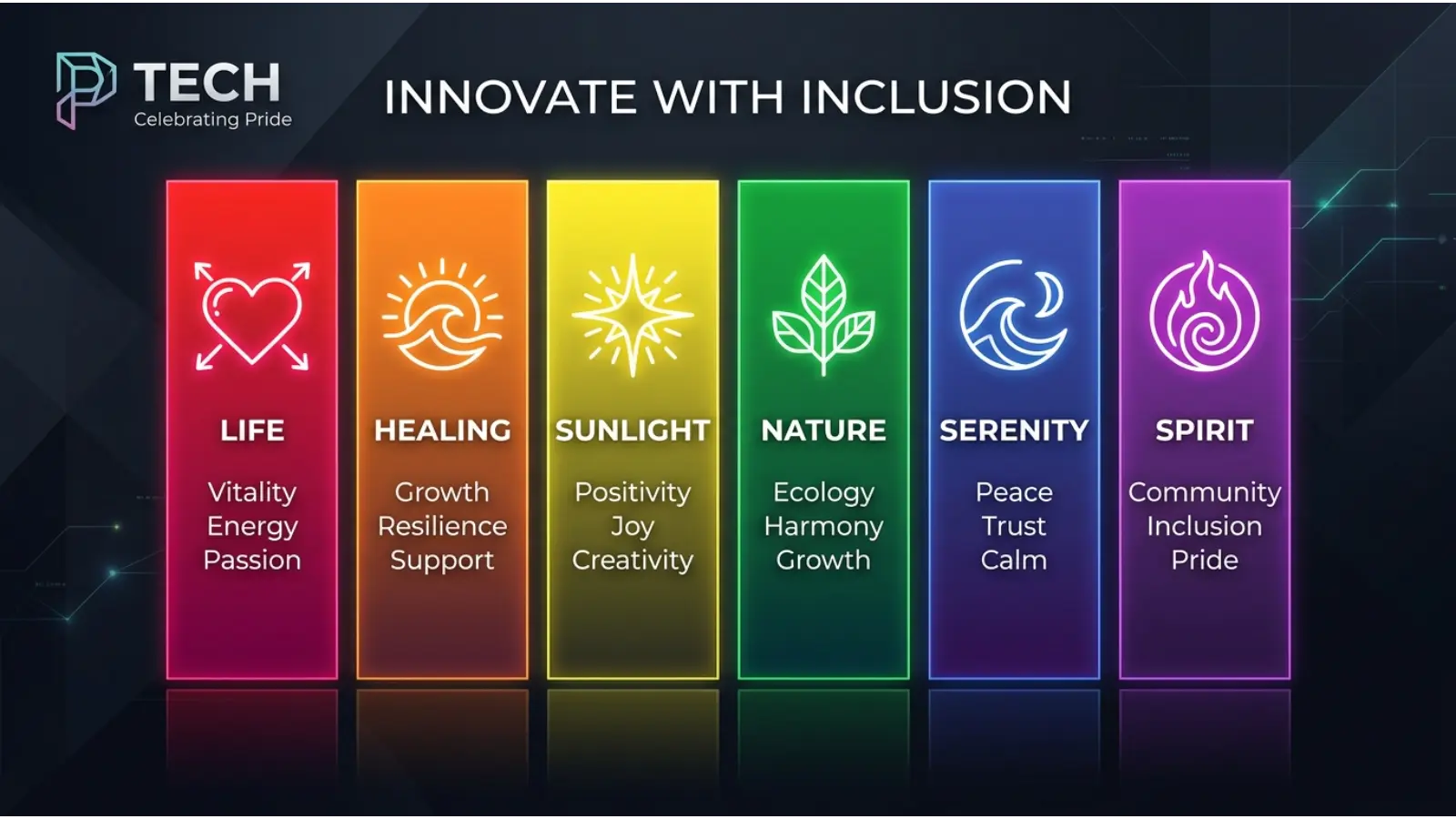
Although the Pride flag itself has symbolic meanings, many of its colors also align with broader principles of color psychology.
Research suggests that colors can influence perception and emotional responses, although individual experiences vary based on culture, age, and personal background.
Together, the Pride flag creates a balanced emotional experience:
- Warm colors encourage optimism and energy.
- Cool colors promote calmness and trust.
- Purple adds creativity and reflection.
The combination creates visual harmony rather than emphasizing one emotion alone.
Cultural Meaning of LGBT Flag Colors
The symbolic meanings of Pride colors are widely recognized today, but colors can carry different associations across cultures.
Western Countries
The Pride flag is commonly viewed as a symbol of:
- Equality
- Human rights
- Diversity
- Community
- Inclusion
East Asia
Color symbolism often blends local traditions with global Pride movements. For example, red may suggest celebration and good fortune while still representing life within the Pride flag.
Latin America
Pride colors frequently appear during festivals and public events celebrating identity, visibility, and community support.
Africa and the Middle East
Interpretations vary significantly depending on local cultural and legal contexts. In some places, Pride colors symbolize hope and solidarity, while public display may be limited by social or legal restrictions.
Spiritual Symbolism
The Pride flag is not a religious symbol.
However, many people interpret its colors in personal or spiritual ways.
Some common symbolic interpretations include:
- Healing after hardship
- Personal transformation
- Hope
- Inner strength
- Community support
- Authentic living
These meanings are personal rather than universal and vary across spiritual traditions.
Why Designers Use LGBT Flag Colors
Designers appreciate the Pride flag because it communicates inclusion without relying on words.
The color sequence creates:
- Strong visual contrast
- Excellent visibility
- Positive emotional balance
- Memorable branding
- Easy recognition
The rainbow also symbolizes diversity by bringing multiple distinct colors together into one unified design.
LGBT Flag Colors in Branding and Marketing
Many organizations use Pride colors during Pride Month to show support for LGBTQ+ communities.
When used thoughtfully, the colors can communicate:
- Inclusion
- Respect
- Diversity
- Community engagement
However, audiences also expect authenticity. Simply adding rainbow colors without meaningful support is often criticized as “rainbow washing.”
Successful campaigns combine visual symbolism with real actions such as inclusive policies, community partnerships, or charitable initiatives.
Pride Colors in Fashion
Rainbow colors have become an important part of self-expression.
Popular uses include:
- Pride T-shirts
- Scarves
- Sneakers
- Jewelry
- Pins
- Hats
- Bags
Some people wear the full rainbow, while others choose a single meaningful color or subtle accessories.
Fashion allows individuals to celebrate identity in ways that feel comfortable and personal.
Color Combinations Inspired by the Pride Flag
The Pride flag pairs well with many neutral colors.
Popular combinations include:
| Combination | Effect |
|---|---|
| Rainbow + White | Clean and modern |
| Rainbow + Black | Bold contrast |
| Rainbow + Gray | Professional balance |
| Rainbow + Navy | Sophisticated appearance |
| Rainbow + Silver | Contemporary style |
Designers often use neutral backgrounds so the Pride colors remain vibrant and easy to recognize.
Common Misconceptions About LGBT Flag Color Meanings
Every rainbow automatically represents the Pride flag.
Not necessarily. Rainbows appear in many cultural, artistic, and religious contexts.
Each color represents a different sexual orientation.
No.
The traditional Pride flag colors represent values such as life, healing, nature, and spirit rather than individual identities.
There is only one Pride flag.
No.
Today there are many Pride flags representing different communities and identities. The rainbow Pride flag remains the best-known global symbol.
The meanings have never changed.
The original eight-stripe version included additional symbolic colors before practical manufacturing changes created today’s six-stripe version.
Real-World Applications of LGBT Flag Colors
Pride colors appear in many areas of everyday life.
Community Events
Rainbow decorations help create welcoming spaces during Pride celebrations.
Business
Organizations may incorporate Pride colors into campaigns that promote inclusion.
Art
Artists use the rainbow to explore themes of identity, diversity, and hope.
Education
Schools and universities may display Pride colors during awareness programs.
Social Media
Digital creators often use rainbow-themed graphics during Pride Month to express solidarity.
Why Context Matters
A single color rarely has one universal meaning.
For example:
- Red can symbolize love, danger, or life.
- Purple may represent royalty, spirituality, or creativity.
- Green can suggest nature, growth, or environmental awareness.
The Pride flag gives these colors a unique shared meaning that emphasizes unity rather than replacing their broader symbolism.
Lighting, design style, cultural background, and historical context all influence how people interpret color.
Frequently Asked Questions
What do the LGBT flag colors mean?
The traditional six colors represent life, healing, sunlight, nature, harmony, and spirit.
Who created the Pride flag?
Artist and activist Gilbert Baker designed the original Pride flag in 1978.
Why was pink removed from the original flag?
Hot pink fabric was difficult to manufacture consistently, making large-scale production challenging.
Why does the Pride flag have six colors now?
Manufacturing and display needs gradually simplified the original eight-stripe design into the six-stripe version used today.
Does every Pride flag use the same colors?
No. Many Pride flags have unique colors representing different identities and communities.
Are the Pride flag meanings scientific?
No. The color meanings are symbolic and historical rather than scientific facts.
Is the rainbow only associated with LGBTQ+ communities?
No. Rainbows have many meanings worldwide, including hope, diversity, peace, and natural beauty.
Why are rainbow colors effective in design?
They create high visual interest, represent diversity, and are easy to recognize.
Can businesses use Pride colors respectfully?
Yes. Genuine support combined with inclusive actions is generally viewed more positively than symbolic marketing alone.
Do Pride colors have spiritual meaning?
Some individuals interpret them spiritually, but these meanings are personal and vary across traditions.
Final Thoughts
The LGBT flag color meanings represent far more than a colorful design. Each stripe symbolizes values such as life, healing, hope, growth, harmony, and spirit, reflecting a message of inclusion that has resonated around the world for decades. Understanding these meanings also shows how colors gain significance through history, culture, and shared experiences.
Whether displayed at Pride events, used in thoughtful design, or studied as an example of color symbolism, the rainbow Pride flag demonstrates that color can communicate powerful ideas without words. Its enduring impact comes not only from its bright appearance but from the values it continues to represent: dignity, diversity, resilience, and the celebration of human identity.

Emma Wilson is a dedicated comparison writer and product researcher at ColorMystiic.com. She specializes in creating unbiased product comparisons, detailed reviews, and helpful buying guides. Her goal is to help readers make smarter purchasing decisions with confidence.