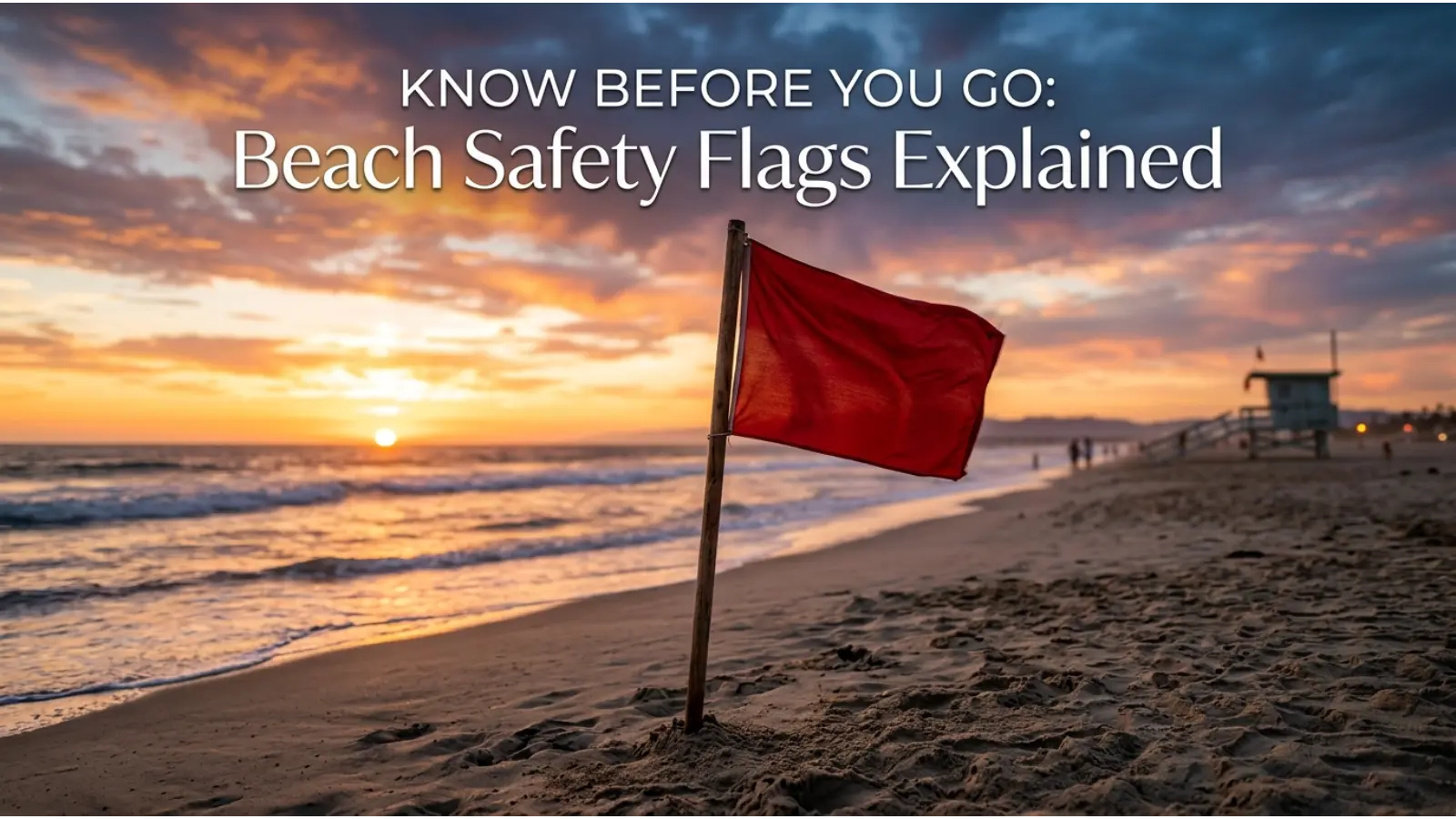
Flags used on oceans are far more than colorful decorations. Every color on a maritime flag has a purpose, helping sailors, coast guards, rescue teams, and beach visitors communicate quickly without spoken language. People search for ocean flag color meanings to understand what different colored flags represent at beaches, on ships, during water sports, and in international maritime signaling.
Unlike colors used in branding or fashion, ocean flag colors are designed mainly for visibility, safety, and communication. However, they also carry symbolic and psychological meanings that have developed through centuries of maritime tradition.
In this guide, you’ll learn what each major ocean flag color means, how these meanings developed, why different countries sometimes use different systems, and how color psychology influences maritime safety.
Quick Answer: Ocean flag color meanings primarily communicate water conditions, hazards, navigation, and safety instructions. Red often signals danger, yellow indicates caution, green means safe conditions, blue represents water or information, black warns of severe hazards, while combinations like red-and-yellow or black-and-white carry specific meanings depending on maritime and beach safety systems.
What Do Ocean Flag Colors Symbolize?
Ocean flags use color because it can be recognized from long distances.
Each color creates an immediate visual message.
Red
Red is the strongest warning color.
It commonly means:
- Dangerous water
- High surf
- Strong currents
- Swimming prohibited
- Emergency conditions
The human brain naturally notices red quickly, making it ideal for urgent warnings.
Positive symbolism
- Strength
- Alertness
- Protection
- Immediate action
Negative symbolism
- Danger
- Risk
- Restricted access
Yellow
Yellow represents caution.
Many beaches raise yellow flags when swimming is allowed but conditions require extra care.
It may indicate:
- Moderate waves
- Mild currents
- Increased awareness
Yellow is highly visible even in foggy or cloudy weather.
Green
Green usually represents favorable conditions.
It often means:
- Calm water
- Safe swimming
- Low hazard
- Normal operations
A green flag does not guarantee complete safety. Natural water conditions can change quickly.
Blue
Blue has several meanings depending on location.
It may indicate:
- Marine wildlife nearby
- Information flags
- General maritime identification
- Water-related communication
Because blue blends with the ocean, it is often paired with white for improved visibility.
Black
Black is uncommon but highly important.
It may represent:
- Extreme hazards
- Closed water areas
- Specialized diving zones
- Certain racing or navigation signals
Its meaning depends heavily on the local flag system.
White
White commonly symbolizes:
- Peace
- Neutral communication
- Instructions
- Safety information
- Medical assistance in some maritime contexts
The White creates excellent contrast against darker colors.
Orange
Orange attracts attention almost as effectively as red.
It is frequently used for:
- Rescue equipment
- Lifeboats
- Buoys
- Safety markers
Orange remains visible even in rough weather.
The Psychology Behind Ocean Flag Colors
Ocean flag colors are chosen because they influence human attention.
Why Red Works
Research on visual perception shows that people detect red rapidly because it strongly contrasts with natural environments.
This makes it ideal for emergency communication.
Why Yellow Signals Caution
Yellow naturally attracts attention without creating the urgency associated with red.
It encourages people to slow down and assess the situation.
Why Green Feels Safe
Green is often associated with nature, balance, and stability.
Many transportation systems worldwide use green to indicate permission or safe movement, making it familiar to most people.
Why High Contrast Matters
Ocean environments include:
- Bright sunlight
- Reflection
- Fog
- Rain
- Sea spray
Flag colors must remain easy to recognize under changing conditions.
Contrast often matters more than symbolism.
Historical Origins of Ocean Flag Colors
Maritime communication has existed for centuries.
Before radio communication, ships relied on:
- Colored flags
- Lanterns
- Signal shapes
- Semaphore
- Naval signaling systems
As shipping expanded, standardized flag systems became essential.
Many modern maritime flags are based on international practices developed during the nineteenth and twentieth centuries to improve communication between ships from different countries.
Beach warning flags became common much later as coastal tourism increased.
Why Different Beaches Use Different Flag Colors
Not every beach follows the same warning system.
Differences may depend on:
- Country
- Local government
- Lifeguard organization
- Ocean conditions
- National safety standards
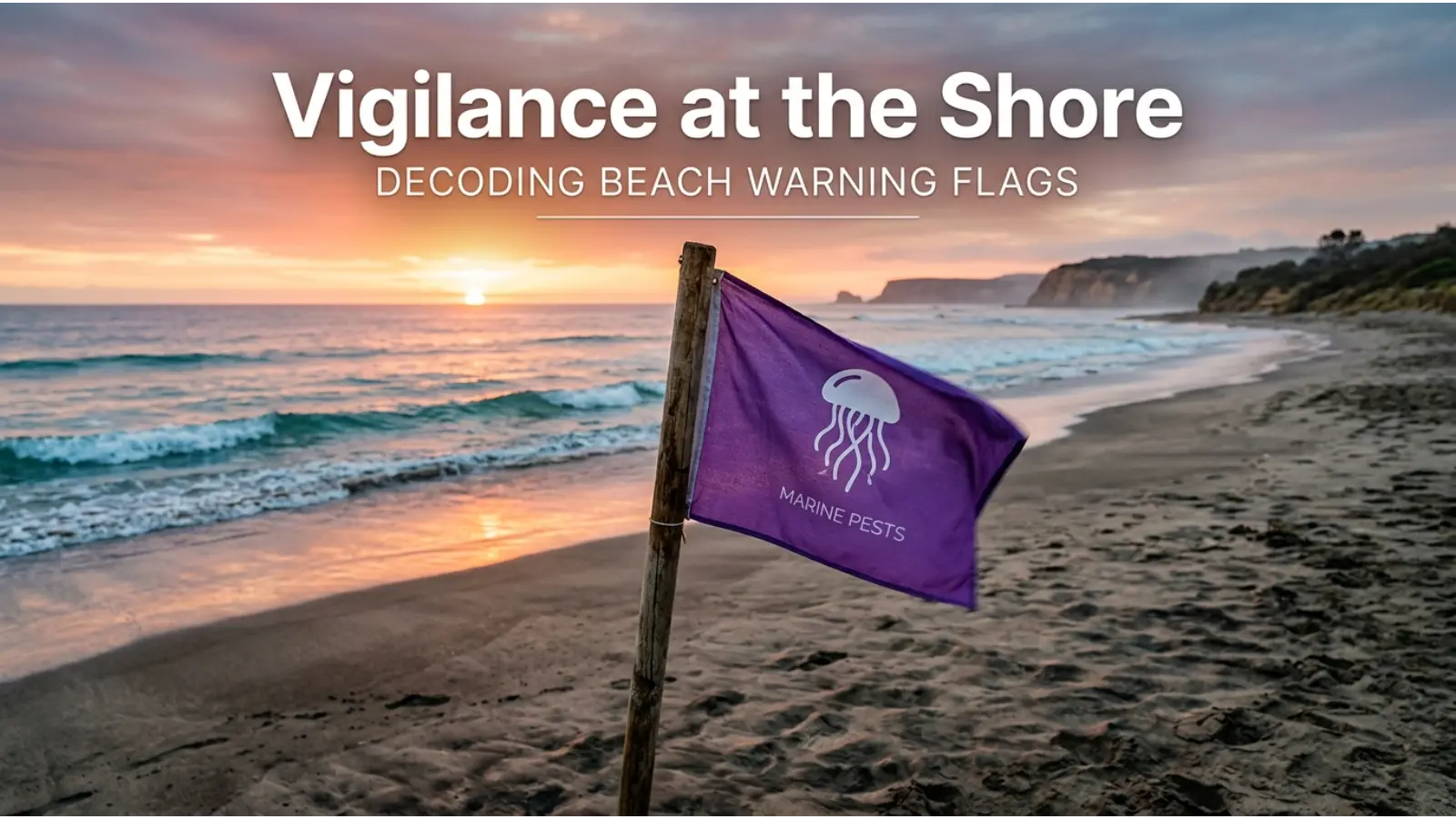
For example, one country may use a purple flag for dangerous marine life, while another uses blue or another symbol.
This is why visitors should always read the local beach information board.
Ocean Flag Colors and Maritime Safety
Ocean flags reduce confusion.
They provide quick visual communication when:
- Engines are noisy
- Waves are loud
- People speak different languages
- Radio communication is unavailable
Simple colors save valuable time during emergencies.
Common Ocean Flag Color Meanings
| Flag Color | Typical Meaning |
|---|---|
| Red | High danger, no swimming |
| Yellow | Exercise caution |
| Green | Generally safe conditions |
| Blue | Marine information or wildlife alerts |
| Black | Restricted or hazardous areas |
| White | Instructions or neutral communication |
| Orange | Rescue and emergency equipment |
Always follow the meanings posted at your specific beach or marina, as local systems may differ.
Ocean Flag Colors in Different Cultures
Although maritime safety systems aim for consistency, color symbolism varies across cultures.
Western Countries
Red commonly represents danger.
Green suggests safety.
Yellow means caution.
These meanings closely match road traffic systems.
East Asian Perspectives
Red is often linked with celebration and good fortune in cultural traditions.
However, in maritime safety it still functions as a danger warning because international standards prioritize universal recognition over cultural symbolism.
Indigenous Coastal Communities
Some Indigenous coastal cultures historically used natural materials, patterns, and symbols rather than standardized color systems to communicate fishing areas, tides, or local hazards.
These traditions differed by region and were adapted to local environments.
Why Ocean Flag Meanings Can Change
Context matters.
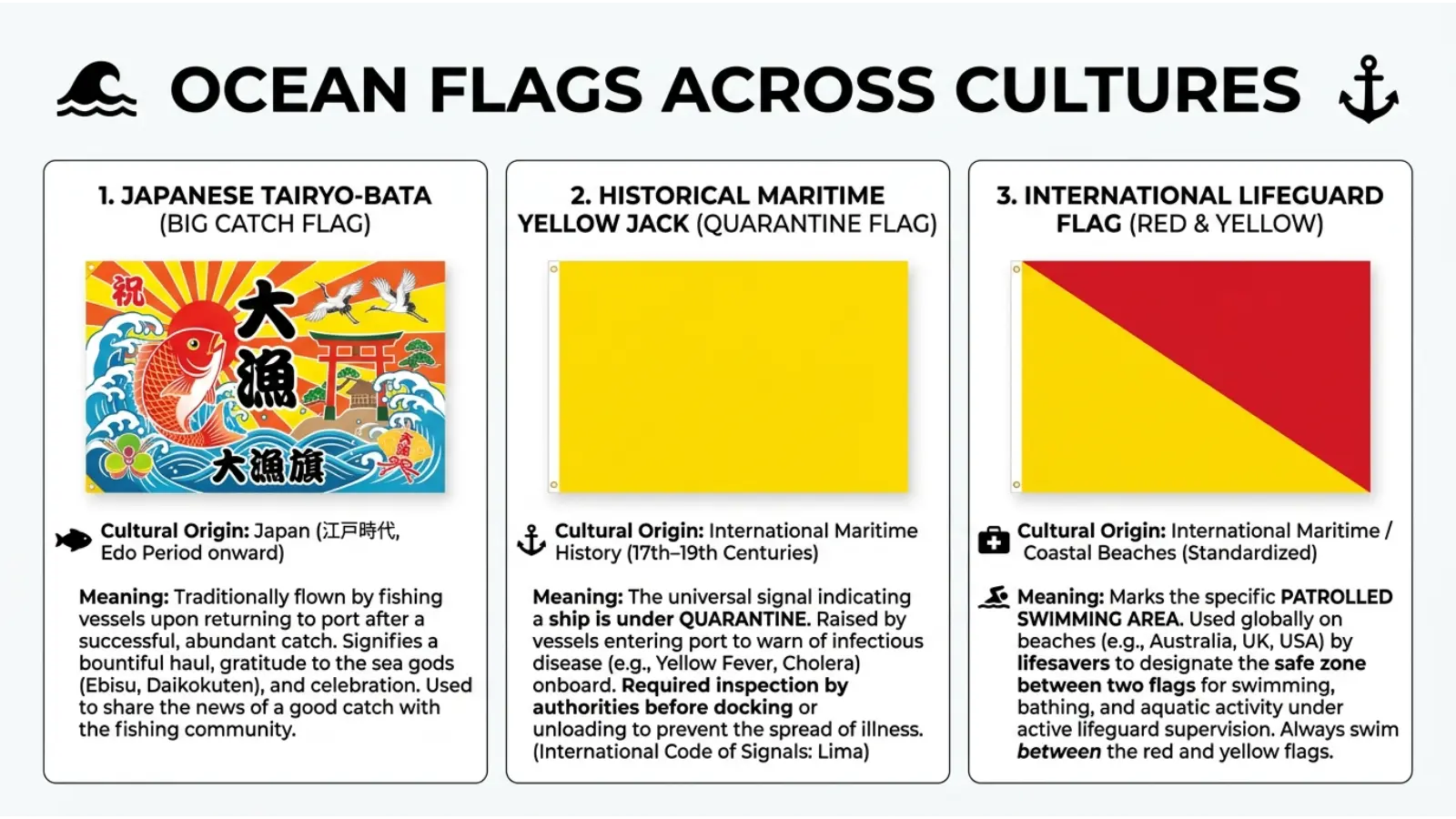
A red flag on a beach may mean “do not enter the water.”
A red flag on a ship could have a completely different meaning within an international signal code.
The same color can communicate different messages depending on:
- Flag shape
- Symbols
- Patterns
- Position
- Maritime system
Color alone is rarely the entire message.
Ocean Flag Colors in Design and Education
Marine organizations carefully choose colors that maximize recognition.
Designers consider:
- Distance visibility
- Weather conditions
- Color blindness
- Contrast
- Fabric durability
- Sun fading
Educational materials also use these familiar colors to help people remember safety guidance more easily.
Lighting and Weather Affect Color Recognition
Ocean conditions constantly change.
Factors that influence visibility include:
- Sunrise
- Sunset
- Heavy rain
- Fog
- Sea mist
- Bright reflections
- Storm clouds
Because of these challenges, many safety flags combine bold colors with simple shapes or patterns for better recognition.
Common Misconceptions About Ocean Flag Color Meanings
Green Means Zero Risk
False.
A green flag indicates relatively safe conditions, not the complete absence of danger.
Natural waters always carry some level of risk.
Every Country Uses the Same Colors
Incorrect.
Many countries follow similar systems, but exact meanings can differ.
Always check local guidance.
Blue Always Means Safe Water
No.
Blue may indicate marine life, information, or other messages depending on the location.
Red Means the Same Everywhere
Not necessarily.
Maritime signal flags and beach warning flags are separate systems.
Context determines meaning.
Real-World Applications of Ocean Flag Colors
Ocean flag colors play an important role in many settings.
Beaches
- Swimming safety
- Surf conditions
- Rip current warnings
- Marine life alerts
Shipping
- Vessel communication
- Navigation
- International signaling
- Operational status
Water Sports
- Surf competitions
- Sailing races
- Diving zones
- Restricted areas
Marine Rescue
- Emergency coordination
- Search and rescue
- Lifeguard communication
- Hazard identification
Frequently Asked Questions
What does a red ocean flag mean?
It usually warns of dangerous water conditions. Many beaches prohibit swimming when a red flag is displayed.
Is a green ocean flag completely safe?
No. It generally indicates low hazard conditions, but swimmers should still remain alert and follow lifeguard advice.
Why do some beaches use purple flags?
Purple flags often warn about dangerous marine life, such as jellyfish or stingrays, though meanings vary by location.
Why are ocean flag colors different in some countries?
Different organizations and local authorities may use slightly different warning systems based on regional needs and national standards.
What color is easiest to see on the ocean?
Red, orange, and bright yellow are among the most visible colors because they strongly contrast with water and sky.
Do ships use the same flags as beaches?
No. Ships often follow international maritime signal flag systems, while beaches use public safety warning flags.
Why don’t all beaches use identical flags?
Coastal conditions, local regulations, and national safety programs influence the warning system each beach adopts.
Are ocean flag colors based on psychology?
Partly. Designers choose colors that naturally attract attention, create clear warnings, and remain visible in changing weather.
Can weather affect how flag colors appear?
Yes. Fog, rain, sunlight, and reflections can reduce visibility, which is why high-contrast colors and simple designs are preferred.
Should visitors always check local beach signs?
Yes. Local information boards explain the exact meaning of each flag used at that location, helping visitors make informed safety decisions.
Conclusion
Ocean flag color meanings combine practical safety communication with centuries of maritime tradition. While colors like red, yellow, and green have become widely recognized for warning or guiding people in and around the water, their exact meanings can vary depending on the beach, country, or maritime system.
Understanding these colors helps swimmers, boaters, surfers, and travelers make safer decisions. By paying attention to local flag systems instead of relying only on general symbolism, you can better appreciate how simple colors protect lives and keep ocean activities organized around the world.

Emma Wilson is a dedicated comparison writer and product researcher at ColorMystiic.com. She specializes in creating unbiased product comparisons, detailed reviews, and helpful buying guides. Her goal is to help readers make smarter purchasing decisions with confidence.