Pink is often associated with love, kindness, softness, and affection, but its meaning is much broader than the familiar image of a pale pink heart. Different shades can create very different impressions. Soft blush may feel calm and gentle, while hot pink can look energetic, confident, and rebellious.People search for pink color meanings because pink appears everywhere—from clothing and flowers to logos, bedrooms, celebrations, art, and social campaigns.
Yet color meaning is not universal. Culture, age, personal experience, surrounding colors, saturation, lighting, and even the purpose of the design can change how pink is understood.
This guide explains the symbolism and psychology of pink while separating common cultural associations from claims supported by research. You will also learn how pink works in branding, interiors, fashion, art, photography, and everyday life.
Quick Answer: Pink commonly symbolizes love, affection, compassion, kindness, tenderness, youth, playfulness, and femininity. Brighter pinks can suggest energy, confidence, creativity, and boldness, while muted pinks often communicate calmness, warmth, and sophistication. Its meaning depends strongly on shade, context, culture, and personal experience.
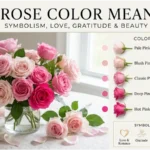
Pink Color Meanings at a Glance
| Pink shade | Common associations | Typical visual effect |
|---|---|---|
| Pale pink | Tenderness, innocence, calm | Soft and delicate |
| Blush pink | Romance, warmth, elegance | Refined and welcoming |
| Dusty pink | Nostalgia, maturity, comfort | Subtle and sophisticated |
| Rose pink | Love, beauty, affection | Romantic and expressive |
| Hot pink | Energy, confidence, excitement | Bold and attention-grabbing |
| Fuchsia | Creativity, individuality, drama | Vibrant and modern |
| Magenta | Imagination, originality, intensity | Powerful and artistic |
| Coral pink | Warmth, friendliness, vitality | Cheerful and energetic |
| Neon pink | Youth, fun, rebellion | Extremely noticeable |
The table shows why simply asking what “pink” means can be misleading. A color family can contain shades with very different emotional effects.
What Does Pink Symbolize?
The most widely recognized pink color symbolism includes love, affection, compassion, gentleness, beauty, and kindness.
Pink is often perceived as a softer relative of red. Red is commonly connected with strong passion and intensity, while pink can communicate affection with less visual force. This makes pink useful when a message needs to feel warm rather than aggressive.
Pink and Love
Pink frequently represents romantic affection, caring, friendship, and emotional warmth. Light pink can suggest gentle affection, while deeper rose shades may feel more passionate.
The context matters. The Pink flowers may communicate romance, but the same pink used in a sports graphic can represent energy and confidence rather than tenderness.
Pink and Kindness
Pink is often used to create a friendly and approachable impression. Its lighter shades can visually soften an otherwise serious design.
That does not mean pink automatically makes people kinder. Rather, designers use its established associations to create a particular visual mood.
Pink and Femininity
Modern Western culture strongly associates pink with femininity, but this connection is historical and cultural rather than an unchanging biological rule.
Pink has also been used by men, children, artists, athletes, and brands. Its meaning continues to change as fashion and social expectations change.
Pink and Youth
Soft pink is frequently connected with childhood, sweetness, and innocence. Brighter shades can also suggest youthful energy.
However, the meaning changes dramatically when pink is paired with dark colors, metallic finishes, sharp typography, or minimalist layouts. A dusty pink package, for example, can look mature rather than childish.

Pink Color Psychology
Color psychology studies how color can influence perception, emotion, attention, and behavior. It is useful, but it should not be treated as a system in which every color produces the same psychological response in every person.
Pink is commonly perceived as warm, soft, friendly, and emotionally expressive. The exact response depends on the shade and the surrounding visual environment.
How Light Pink Feels
Very light pinks often create a gentle visual impression. They can work well when a designer wants a space or image to feel calm, caring, delicate, or welcoming.
Too much pale pink can also appear overly sweet or childish when the surrounding design reinforces those associations.
How Bright Pink Feels
Hot pink, fuchsia, and neon pink have much higher visual energy. They attract attention more easily than many muted pinks.
These shades can communicate confidence, creativity, excitement, individuality, and playfulness. They are therefore common in youth-oriented fashion, entertainment graphics, beauty products, and expressive branding.
Does Pink Make People Calm?
Pink is sometimes described as a calming color, but popular claims about pink automatically reducing aggression or producing a predictable psychological response are stronger than the evidence supports.
Some research has examined pink environments and behavior, but findings do not justify a universal rule that pink makes everyone calm. Context, lighting, expectations, and individual differences matter.
The safer conclusion is that softer pink environments can look gentle and comforting, especially when combined with suitable lighting and neutral colors.
Emotional Pink Color Meanings
Pink can express several emotions at once.
| Emotional association | Pink expression |
|---|---|
| Love | Rose and warm pink |
| Compassion | Soft or muted pink |
| Happiness | Bright, cheerful pink |
| Calm | Pale or dusty pink |
| Excitement | Hot or neon pink |
| Confidence | Strong, saturated pink |
| Nostalgia | Dusty or vintage pink |
| Playfulness | Bright pink with lively colors |
| Sophistication | Blush, dusty, or muted pink |
| Sensitivity | Very light pink |
This range explains why pink cannot be reduced to a single emotional meaning.
Spiritual Pink Color Meanings
Pink has spiritual meanings in some traditions and modern spiritual practices, but there is no single universal spiritual meaning of pink.
It is commonly associated in contemporary symbolism with love, compassion, emotional healing, gentleness, gratitude, harmony, and openness.
Pink and Emotional Healing
Some modern spiritual interpretations use pink as a symbol of emotional comfort and self-compassion. This is a symbolic belief rather than a scientifically established healing effect.
Using pink candles, clothing, artwork, or meditation objects may help a person create an intentional atmosphere, but the color itself should not be presented as a medical treatment.
Pink and the Heart
Pink is sometimes linked symbolically with the heart because of its association with love and compassion. Some modern chakra-based systems also connect pink with forms of love and emotional balance.
These interpretations differ among traditions and should not be presented as universal religious teachings.
Pink and Hope
Soft pink can symbolize hope, renewal, tenderness, and emotional support. This association is especially powerful when pink appears in awareness campaigns or community events.

Pink Color Meanings in Different Cultures
Color meanings are shaped by history and culture. Pink does not have one fixed global interpretation.
Western Cultural Meaning
In contemporary Western societies, pink is strongly associated with femininity, romance, babies, beauty, sweetness, and affection. The strength of these associations varies by generation.
Pink has also become a symbol of confidence and self-expression, particularly through fashion, popular culture, and modern branding.
Pink in East Asian Contexts
The Pink is commonly associated with flowers, spring, beauty, romance, and youth in several East Asian cultural contexts. Cherry blossoms, for example, have helped strengthen associations between pink and seasonal beauty in Japanese visual culture.
The exact meaning still depends on the object and situation.
Pink in South Asian Culture
Pink frequently appears in clothing, weddings, textiles, flowers, cosmetics, and celebrations across South Asian cultures. Depending on the shade and setting, it can suggest beauty, celebration, affection, elegance, or femininity.
A vivid pink garment may communicate festivity rather than softness.
Pink in Middle Eastern and African Contexts
There is no single Middle Eastern or African meaning of pink because these regions contain many distinct cultures, languages, religions, and artistic traditions.
Pink may be used in fashion, flowers, cosmetics, celebrations, design, and modern branding. Its meaning should be interpreted within the specific community rather than assigned to an entire region.
Latin American Contexts
Pink often appears in celebrations, flowers, fashion, beauty, and decorative traditions. Its emotional meaning can range from romance and femininity to celebration and visual brightness.
The surrounding colors often provide important clues.
Historical Pink Color Meanings
Pink has not always had the same cultural position it has today.
The word “pink” became established in English as a color term centuries ago, while the color itself became increasingly visible in European clothing, art, and decoration. During different historical periods, pink could be associated with luxury, fashion, youth, or masculinity as well as femininity.
The strong modern Western connection between pink and girls developed gradually rather than existing unchanged throughout history. Clothing conventions shifted during the 19th and 20th centuries, and mass marketing later reinforced gender-based color associations.
This history is important because it shows that color symbolism is partly constructed by society.
Pink Personality Meaning
People often associate pink lovers with traits such as:
- Compassion
- Warmth
- Sensitivity
- Creativity
- Romanticism
- Friendliness
- Playfulness
- Emotional openness
- Appreciation for beauty
- Individuality
These are associations, not personality tests.
A person’s favorite color cannot reliably determine whether they are kind, introverted, romantic, confident, or sensitive. Personal taste develops from many factors, including memories, culture, fashion, environment, and individual experience.
What Does It Mean If You Love Hot Pink?
A preference for hot pink may simply indicate that you enjoy strong, expressive colors. In some contexts, people may perceive the choice as bold, energetic, playful, or confident.
That impression comes from the visual qualities of the color and cultural associations—not proof of a specific personality type.
Pink Color Meanings in Branding and Marketing
Pink is especially useful when a brand wants to communicate emotion, warmth, beauty, creativity, youth, or individuality.
It has traditionally been common in beauty, cosmetics, fashion, children’s products, and romance-related marketing. Modern brands have expanded its use into technology, food, entertainment, wellness, and lifestyle products.
Why Do Brands Use Pink?
Pink can help a visual identity appear:
- Friendly
- Playful
- Emotional
- Creative
- Youthful
- Caring
- Luxurious
- Feminine
- Energetic
The shade makes a major difference.
A muted blush can look premium and understated. Neon pink can feel youthful and rebellious. Deep rose can communicate elegance and romance.
Pink Packaging
Pink packaging can make a product appear cheerful, soft, attractive, or emotionally appealing.
For premium products, dusty pink combined with cream, black, brown, or metallic details can create a sophisticated appearance.
For youth-focused products, saturated pink with contrasting colors can create stronger visual energy.
Pink in Advertising
Bright pink works well for attracting attention because it has strong visual presence. However, using too much saturated pink can overwhelm the design.
A practical approach is to use pink as the main brand color only when it supports the brand personality. Otherwise, pink can work effectively as an accent.
Pink Color Meanings in Interior Design
The Pink can transform the mood of a room without requiring a fully pink interior.
Pink Living Room
Use dusty pink, blush, or muted rose with warm white, beige, gray, wood, or brown. These combinations create a comfortable and mature atmosphere.
For a more dramatic room, combine deeper pink with dark furniture and controlled lighting.
Pink Bedroom
Soft pink can create a warm and romantic visual atmosphere. It works especially well with cream, white, natural wood, or muted green.
Avoid relying only on pink walls. Bedding, curtains, artwork, cushions, or a single accent wall can introduce the color more subtly.
Pink Office
A small amount of pink can soften a highly functional workspace. Blush accessories or artwork can add warmth without making the entire room feel decorative.
For a creative office, stronger pink accents can provide visual energy.
Pink Kitchen
Pink can work surprisingly well in kitchens through cabinets, tiles, appliances, chairs, or small accessories.
Pair dusty pink with white or natural wood for a soft appearance. Pair stronger pink with black or stainless steel for a modern contrast.
How Lighting Changes Pink
Lighting can dramatically change pink.
Warm bulbs may make pink look peachier or more coral. Cool lighting can make some pinks appear sharper or more purple.
Always test a paint or fabric sample under the actual lighting of the room before making a large purchase.
Pink in Fashion
Pink offers one of the widest ranges of style possibilities in clothing.
Soft Pink Fashion
Blush and pale pink can create an elegant, gentle, romantic appearance. They work well with cream, white, beige, gray, and soft brown.
Hot Pink Fashion
Hot pink creates a stronger statement. It can be used for dresses, shirts, jackets, shoes, handbags, or accessories.
Pairing hot pink with black creates drama. White makes it look fresh. Orange or red creates a high-energy combination.
Pink for Professional Clothing
Muted pink can work well in professional settings when balanced with neutral colors.
A blush shirt with navy trousers, a dusty-pink blazer with gray, or a rose accessory with a neutral suit can add personality without dominating the outfit.
Pink for Formal Wear
Deep rose, dusty pink, mauve, and sophisticated blush shades can look elegant for formal occasions.
Fabric matters as much as color. Satin, silk, velvet, lace, and structured fabrics can give the same pink shade completely different personalities.
Pink Color Combinations
The best pink combinations depend on the mood you want to create.
| Pink combination | Mood | Best uses |
|---|---|---|
| Pink + White | Clean and gentle | Weddings, beauty, interiors |
| Pink + Black | Bold and dramatic | Fashion, branding |
| Pink + Navy | Balanced and polished | Business, clothing |
| Pink + Gray | Modern and calm | Interiors, websites |
| Pink + Beige | Warm and sophisticated | Homes, fashion |
| Pink + Brown | Natural and grounded | Interiors, packaging |
| Pink + Green | Fresh and lively | Nature themes, interiors |
| Pink + Purple | Creative and expressive | Art, entertainment |
| Pink + Orange | Energetic | Youth branding, fashion |
| Pink + Red | Passionate and powerful | Romance, campaigns |
Pink and Green
Pink and green work because they create a strong contrast while remaining visually connected to flowers and nature.
Sage green with dusty pink feels calm. Emerald green with hot pink feels dramatic.
Pink and Blue
Pink and blue can balance softness with coolness. Pale pink and light blue often create an airy appearance, while hot pink and deep navy create a much stronger contrast.
Pink and Black
Black gives pink more visual weight. This combination can move pink away from a sweet appearance and toward something dramatic, fashionable, or rebellious.
Pink in Art and Photography
Artists can use pink to change how viewers interpret a scene.
A pale pink background can make a portrait appear soft and dreamlike. Strong magenta or hot pink can create tension, energy, or an artificial atmosphere.
Photographers often use pink light during portraits, fashion shoots, concerts, and creative campaigns. Pink lighting can make skin tones appear warmer or more stylized, but excessive saturation can reduce natural skin detail.
The lesson is simple: pink is not only a subject color. It can change the emotional reading of the entire image.
Pink in Nature
Nature provides many familiar pink examples:
- Roses
- Cherry blossoms
- Lotus flowers
- Peonies
- Flamingos
- Coral
- Pink sunsets
- Quartz
- Certain shells and minerals
Because pink appears in flowers and sunsets, it can carry associations with beauty, delicacy, seasonal change, and natural wonder.
These natural examples also show why people may interpret pink differently depending on the object. Pink in a flower may feel romantic, while pink in a sunset may feel peaceful.
Pink in Sports and Entertainment
The Pink is often used in sports uniforms, event graphics, equipment, and awareness campaigns to create visibility and emotional recognition.
Its high-energy shades can make team graphics stand out, while softer pinks can communicate solidarity or support.
Entertainment brands may use hot pink or magenta to suggest youth, fantasy, music, fashion, comedy, or rebellion. The typography and imagery determine whether the final impression feels playful, luxurious, futuristic, or dramatic.
Real-World Example: Choosing Pink for a Small Business in 2026
Imagine a small skincare business launching a new product in August 2026.
The owner wants the product to feel caring and premium rather than childish.
Instead of using neon pink across the entire package, the designer chooses a muted blush-pink background, dark charcoal text, cream details, and a small rose-pink accent.
The result communicates softness through the pink, professionalism through the dark text, and quality through the restrained palette.
Now imagine the same business selling a fun body mist to teenagers. A brighter pink with orange or purple accents may be more appropriate because the target audience and product personality have changed.
The color did not change its physical identity. The context changed its meaning.
How Age Changes Pink Color Meaning
Age can influence color preferences and associations.
Young children may encounter pink mainly through toys, clothing, cartoons, and children’s products. Adults may associate the same color with fashion, nostalgia, romance, design, or cultural experiences.
This means a color that looks “childlike” to one person may look nostalgic or fashionable to another.
Designers should therefore consider the intended audience instead of assuming everyone interprets pink in the same way.
Why Context Changes Pink Meaning
Pink rarely communicates alone.
Consider three examples:
Pink + hearts + flowers: romance and affection.
Pink + black + bold typography: confidence, fashion, or rebellion.
The Pink + green + natural textures: freshness, nature, or wellness.
The surrounding visual language helps the viewer decide how to interpret the color.
Common Misconceptions About Pink
Myth: Pink Always Means Feminine
Pink is strongly associated with femininity in many modern Western contexts, but that association is cultural and historical rather than universal.
Myth: Pink Always Means Weakness
Bright pink can communicate strength, confidence, rebellion, and visibility. Fashion and popular culture have repeatedly used intense pink as a powerful statement color.
Myth: Pink Always Makes People Calm
There is not enough evidence to claim that every pink environment automatically creates calm behavior. Shade, context, lighting, and individual response all matter.
Myth: Everyone Likes the Same Pink
People respond differently to pink based on personal taste, culture, age, memories, and visual context.
Myth: Color Has One Universal Meaning
No color has one meaning that applies equally across every culture and situation. Color symbolism is partly shaped by social learning and context.
Practical Uses of Pink in Everyday Life
Pink can be useful when you want to create a specific visual impression.
For a website: use blush pink for warmth or hot pink for energetic calls to action, while maintaining strong text contrast.
For a bedroom: choose muted pink if you want a softer appearance without making the room overly bright.
clothing: use pale pink for subtle elegance and saturated pink when you want the color to become the focus.
For packaging: match the shade to the product’s personality rather than choosing pink simply because it is popular.
For photography: experiment with pink backgrounds or lighting to create a romantic, playful, futuristic, or editorial mood.
branding: decide first whether the business should feel caring, energetic, luxurious, youthful, or creative. Then choose the pink shade that supports that message.
Pink Color Meanings Chart
| Meaning | Soft pink | Blush | Rose | Hot pink | Magenta |
|---|---|---|---|---|---|
| Love | ★★★ | ★★★ | ★★★ | ★★ | ★★ |
| Calm | ★★★ | ★★★ | ★★ | ★ | ★ |
| Elegance | ★★ | ★★★ | ★★★ | ★★ | ★★ |
| Energy | ★ | ★ | ★★ | ★★★ | ★★★ |
| Playfulness | ★★ | ★★ | ★★ | ★★★ | ★★★ |
| Confidence | ★ | ★★ | ★★ | ★★★ | ★★★ |
| Tenderness | ★★★ | ★★★ | ★★ | ★ | ★ |
| Creativity | ★★ | ★★ | ★★ | ★★★ | ★★★ |
The stars represent common visual associations, not scientific measurements.
Pink Color Meanings by Shade
Pale Pink Meaning
Pale pink often suggests innocence, tenderness, softness, calmness, and gentle affection.
Blush Pink Meaning
Blush pink tends to feel warmer and more sophisticated than very pale pink. It is popular in interiors, fashion, weddings, beauty, and modern branding.
Dusty Pink Meaning
Dusty pink has a muted quality that can suggest nostalgia, maturity, comfort, and understated elegance.
Rose Pink Meaning
Rose pink has a stronger connection with flowers, romance, beauty, and affection.
Hot Pink Meaning
Hot pink is energetic, expressive, youthful, bold, and attention-grabbing. It is useful when a design needs confidence rather than subtlety.
Fuchsia Meaning
Fuchsia is intense and creative. It can suggest originality, imagination, confidence, and dramatic self-expression.
Magenta Meaning
Magenta often feels artistic, unconventional, powerful, and imaginative. Its balance between red and purple gives it a distinctive visual identity.
Frequently Asked Questions About Pink Color Meanings
What is the main meaning of pink?
Pink commonly represents love, affection, kindness, compassion, beauty, tenderness, and femininity. Its meaning changes with shade and context.
What does pink symbolize emotionally?
Emotionally, pink is often connected with affection, warmth, compassion, happiness, tenderness, and playfulness. Bright pink can add excitement and confidence.
What does pink mean spiritually?
In contemporary spiritual symbolism, pink is often associated with love, compassion, emotional balance, hope, and gentle healing. Spiritual meanings vary between traditions.
What does wearing pink say about you?
Wearing pink may create an impression of warmth, creativity, playfulness, confidence, or femininity depending on the shade and outfit. It does not prove a particular personality type.
Is pink a calming color?
Soft pink can create a visually gentle atmosphere, but it is not accurate to say that pink automatically calms everyone. Individual and environmental factors influence responses.
Why is pink associated with girls?
The strong modern Western association developed through changing clothing conventions, marketing, and social expectations rather than being a universal rule throughout history.
What does hot pink symbolize?
Hot pink commonly suggests confidence, energy, youthfulness, creativity, excitement, and bold self-expression.
What colors go well with pink?
Pink works well with white, cream, beige, gray, navy, black, brown, green, purple, orange, and red. The best choice depends on the desired mood.
Is pink a good color for branding?
Yes. Pink can work especially well for brands that want to communicate beauty, warmth, creativity, youth, care, or emotional connection. The shade should match the target audience and brand personality.
What does pink mean in a dream?
Dream symbolism is highly personal and does not have a scientifically established color dictionary. Pink might be interpreted by an individual as love, comfort, affection, childhood, beauty, or another personal association.
Final Thoughts on Pink Color Meanings
Pink is much more versatile than its traditional image suggests. It can look gentle or powerful, romantic or rebellious, youthful or sophisticated, depending on its shade and surroundings.
The most useful way to understand pink color meanings is to avoid treating symbolism as a fixed formula. A pale blush wall, a hot-pink jacket, a rose flower, and a magenta logo may all belong to the same broad color family while communicating very different ideas.
Culture, history, age, personal memories, lighting, design style, and neighboring colors all influence perception. That is why successful designers rarely ask only, “What does pink mean?” They ask a better question: “What should this particular pink communicate to this particular audience in this particular setting?”
Once you look at color that way, pink becomes more than a symbol of love or femininity. It becomes a flexible visual language that can express care, beauty, energy, creativity, confidence, celebration, and individuality.

Emma Wilson is a dedicated comparison writer and product researcher at ColorMystiic.com. She specializes in creating unbiased product comparisons, detailed reviews, and helpful buying guides. Her goal is to help readers make smarter purchasing decisions with confidence.