Colors are more than simple shades we see around us. They can influence feelings, create memories, shape first impressions, and help people express identity. A color personality test color meanings guide explores the connection between color preferences and the emotions, qualities, and symbolic ideas often linked with different colors.
People search for color personality meanings because they want to understand themselves better, choose better designs, improve personal style, or learn why certain colors feel attractive. However, color meanings are not universal rules. A person’s favorite color can be influenced by culture, childhood experiences, memories, environment, and personal taste.
This guide explains the psychology, symbolism, cultural meanings, personality associations, branding uses, fashion influence, and everyday applications of colors. It also separates scientific understanding from symbolic interpretations so you can use color knowledge in a practical way.
Quick Answer: A color personality test suggests that favorite colors may reflect emotional preferences, communication styles, and personal expression. For example, blue is often associated with calmness and trust, red with energy and passion, green with growth and balance, and purple with creativity and imagination. However, color preference does not scientifically define personality.
Color Personality Test Color Meanings Chart
| Color | Common Symbolism | Personality Associations | Emotional Impression |
|---|---|---|---|
| Blue | Trust, peace, stability | Reliable, thoughtful, calm | Relaxation and confidence |
| Red | Passion, energy, power | Bold, ambitious, energetic | Excitement and intensity |
| Green | Nature, growth, balance | Caring, practical, refreshing | Harmony and renewal |
| Purple | Creativity, luxury, mystery | Imaginative, unique, spiritual | Inspiration and curiosity |
| Yellow | Happiness, optimism, ideas | Friendly, cheerful, expressive | Warmth and positivity |
| Orange | Adventure, enthusiasm, creativity | Social, energetic, confident | Motivation and excitement |
| Black | Strength, elegance, mystery | Independent, serious, stylish | Power and sophistication |
| White | Purity, simplicity, peace | Organized, clear-minded, balanced | Freshness and openness |
| Pink | Love, kindness, compassion | Gentle, emotional, caring | Comfort and affection |
| Brown | Stability, reliability, nature | Practical, dependable, grounded | Security and warmth |
What Does a Color Personality Test Reveal?
A color personality test is designed to explore how people relate to colors emotionally and symbolically. These tests are often used for self-reflection, creative activities, branding studies, and personal development.
The basic idea is simple: colors create associations in the human mind. When someone chooses a favorite color, that choice may reflect their current mood, experiences, cultural background, or personal style.
For example:
- Someone who prefers blue may enjoy calm environments and organized spaces.
- Someone attracted to red may appreciate energy, confidence, or strong visual expression.
- Someone who loves green may feel connected to nature and balance.
However, these connections are not fixed personality measurements. A person who loves black is not automatically serious, and someone who loves yellow is not always cheerful.
Color preference is a clue about personal expression, not a complete description of who someone is.
Psychology of Color Personality Meanings
Color psychology studies how colors can affect perception, emotions, and behavior. Researchers have found that colors can influence attention and emotional responses, but reactions often depend on personal experiences and cultural settings.
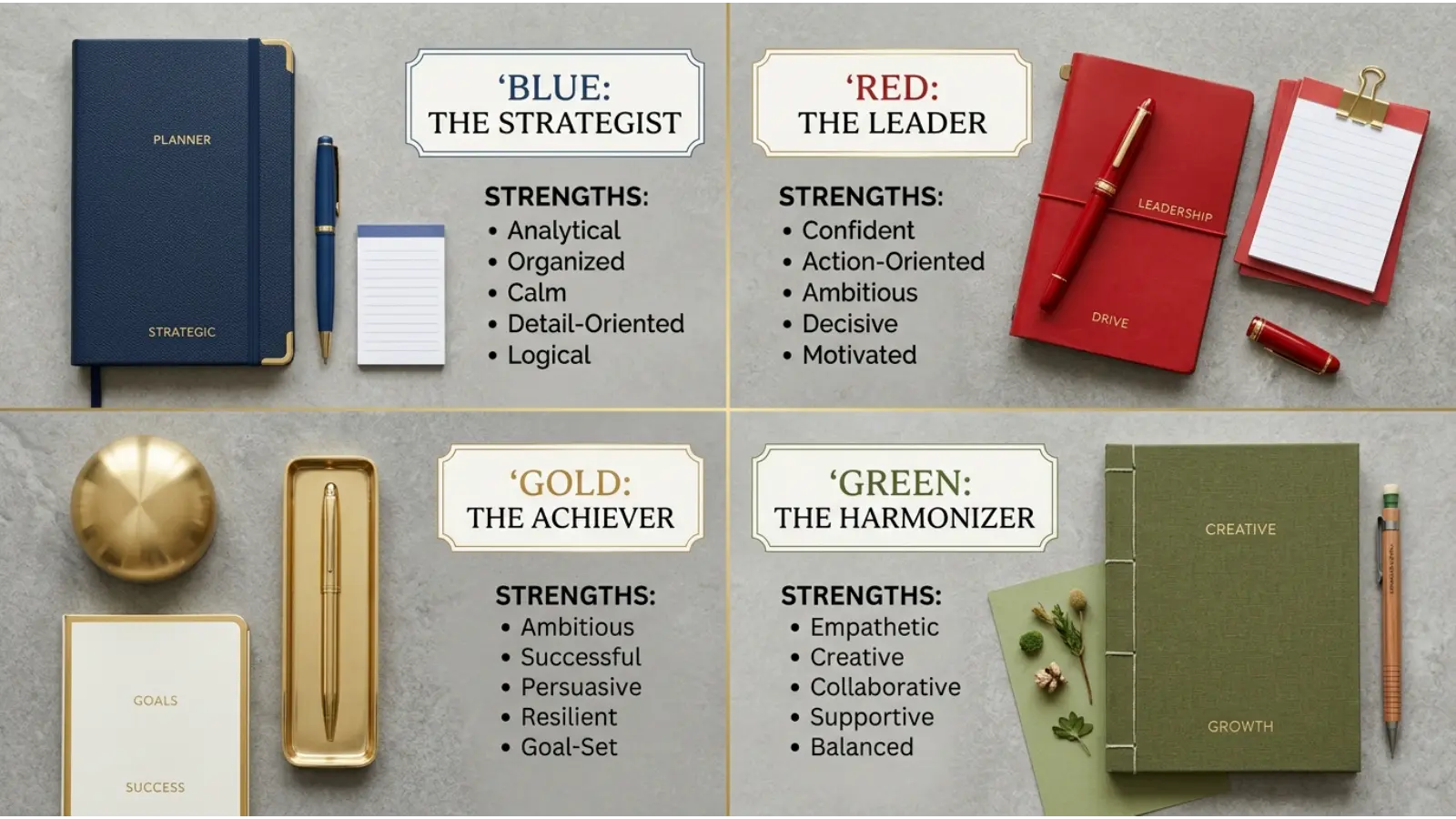
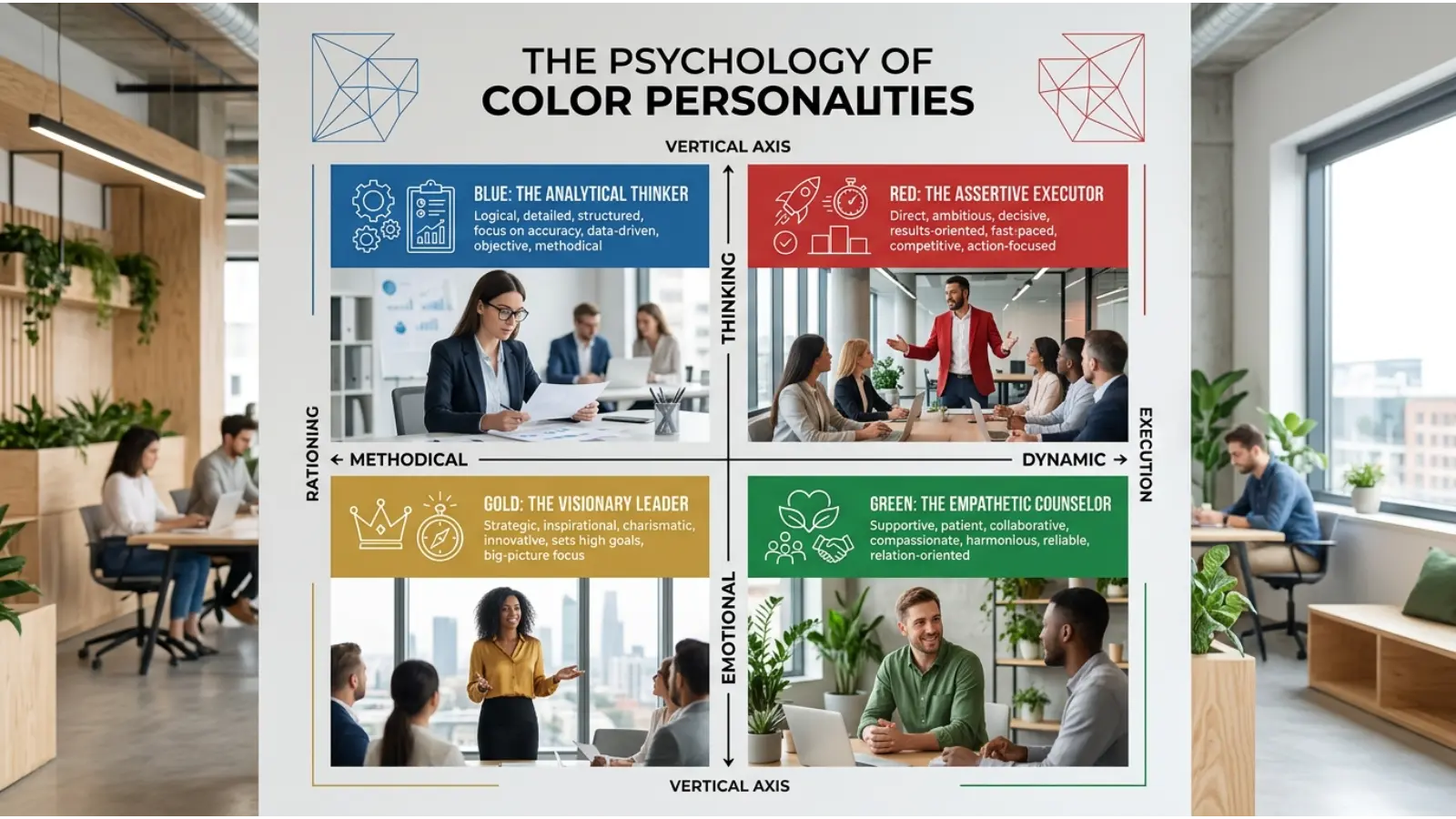
Blue Color Personality Meaning
Blue is commonly connected with calmness, trust, and stability.
People who prefer blue are often described symbolically as:
- Peaceful
- Responsible
- Loyal
- Thoughtful
- Reliable
Blue environments are frequently used in offices and professional spaces because the color can create a feeling of confidence and order.
However, too much blue may sometimes feel cold or distant depending on the shade and surroundings.
Red Color Personality Meaning
The Red represents energy, passion, and attention.
Red lovers are often associated with:
- Confidence
- Courage
- Ambition
- Strong emotions
- Leadership
Because red attracts attention quickly, it is often used in advertising, sports, and entertainment.
A bright red can feel exciting, while a darker red may communicate elegance and power.
Green Color Personality Meaning
Green connects strongly with nature, renewal, and balance.
People who prefer green are often symbolically linked with:
- Growth
- Compassion
- Stability
- Patience
- Connection with nature
Green is commonly used in wellness, environmental branding, and relaxing interior spaces.
Purple Color Personality Meaning
Purple combines the calmness of blue with the energy of red.
It is often connected with:
- Creativity
- Imagination
- Luxury
- Spiritual curiosity
- Individuality
People who prefer purple are sometimes described as creative thinkers who enjoy originality.
Spiritual Meaning of Colors in Personality Tests
Many traditions use colors as symbols of energy, emotions, and spiritual ideas. These meanings vary widely between cultures and belief systems.
Blue Spiritual Symbolism
Blue is often linked with:
- Peace
- Wisdom
- Communication
- Protection
In many spiritual systems, blue represents calm energy and inner reflection.
Purple Spiritual Symbolism
Purple is frequently associated with:
- Transformation
- Higher awareness
- Creativity
- Mystery
Some traditions connect purple with spiritual growth, while others view it mainly as a symbol of royalty and imagination.
Green Spiritual Symbolism
Green often represents:
- Healing
- Renewal
- Balance
- Connection with nature
Because plants symbolize growth, green naturally became linked with restoration and life.
Cultural Meaning of Colors Around the World
Color meanings change depending on geography, history, and tradition.
Western Color Meanings
In many Western societies:
- White is commonly connected with purity and weddings.
- Black is associated with elegance, mourning, and formality.
- Red often represents love, passion, and warning.
Eastern Color Interpretations
In many Asian cultures:
- Red may symbolize luck, celebration, and prosperity.
- Gold can represent wealth and success.
- White may have different meanings connected with mourning in some regions.
Middle Eastern and African Perspectives
Colors may represent:
- Heritage
- Spiritual beliefs
- Community identity
- Historical experiences
For example, green has important symbolic meanings in many cultures, but interpretations differ depending on context.
Color meanings should always be understood through cultural background rather than assumptions.
Historical Development of Color Symbolism
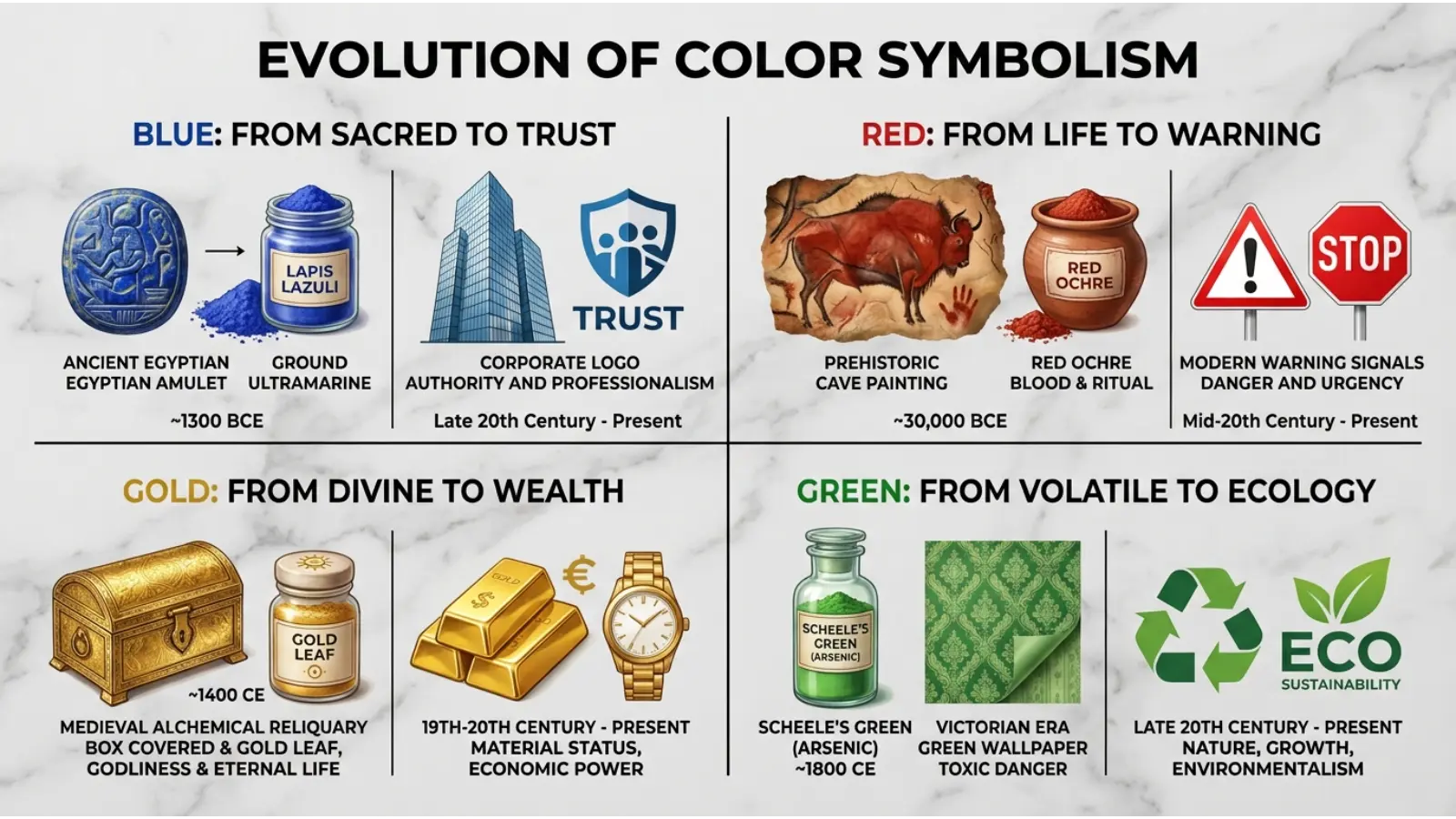
Humans have used colors as symbols for thousands of years.
Ancient societies used rare pigments to show wealth, status, and religious importance. Certain colors became connected with power because producing them required expensive materials.
Purple, for example, became associated with royalty in many historical societies because some purple dyes were difficult to create.
Over time, industrial production made colors more accessible. A shade that once represented luxury could later become common in everyday fashion and design.
Color Personality Associations: What Your Favorite Color May Suggest
Many personality tests connect colors with character traits. These associations can be useful for reflection but should not be treated as scientific personality diagnoses.
If Your Favorite Color Is Blue
You may enjoy:
- Peaceful environments
- Clear communication
- Stability
- Trustworthy relationships
If Your Favorite Color Is Red
You may enjoy:
- Challenges
- Competition
- Strong experiences
- Expressing confidence
If Your Favorite Color Is Green
You may value:
- Balance
- Nature
- Growth
- Comfort
If Your Favorite Color Is Purple
You may appreciate:
- Creativity
- Unique ideas
- Artistic expression
- Imagination
Remember, personality is shaped by many factors including genetics, experiences, education, and environment.
Color Personality in Branding and Marketing
Brands carefully choose colors because visual identity influences customer perception.
Blue in Branding
Companies often use blue to communicate:
- Trust
- Security
- Professionalism
Technology, finance, and healthcare brands frequently choose blue because customers often associate it with reliability.
Red in Marketing
Red is commonly used to create:
- Urgency
- Excitement
- Attention
Food companies and entertainment brands often use red because it creates strong visual impact.
Green Brand Identity
Green is popular among brands connected with:
- Nature
- Health
- Sustainability
- Fresh products
Purple Brand Identity
Purple can suggest:
- Creativity
- Premium quality
- Innovation
Luxury and beauty industries often use purple shades to create a distinctive image.
Color Personality in Interior Design
Colors can change how a room feels.
Blue Rooms
Blue works well in:
- Bedrooms
- Bathrooms
- Workspaces
It can create a peaceful atmosphere when combined with soft lighting.
Green Spaces
Green is useful for:
- Living rooms
- Home offices
- Relaxation areas
Natural green shades can make spaces feel connected to the outdoors.
Warm Colors at Home
Colors like red, orange, and yellow can add energy to social spaces such as kitchens and dining areas.
However, strong colors may feel overwhelming if used excessively.
Lighting also changes color appearance. A blue wall under warm lighting may look softer, while natural daylight can make colors appear brighter.
Color Personality Meaning in Fashion
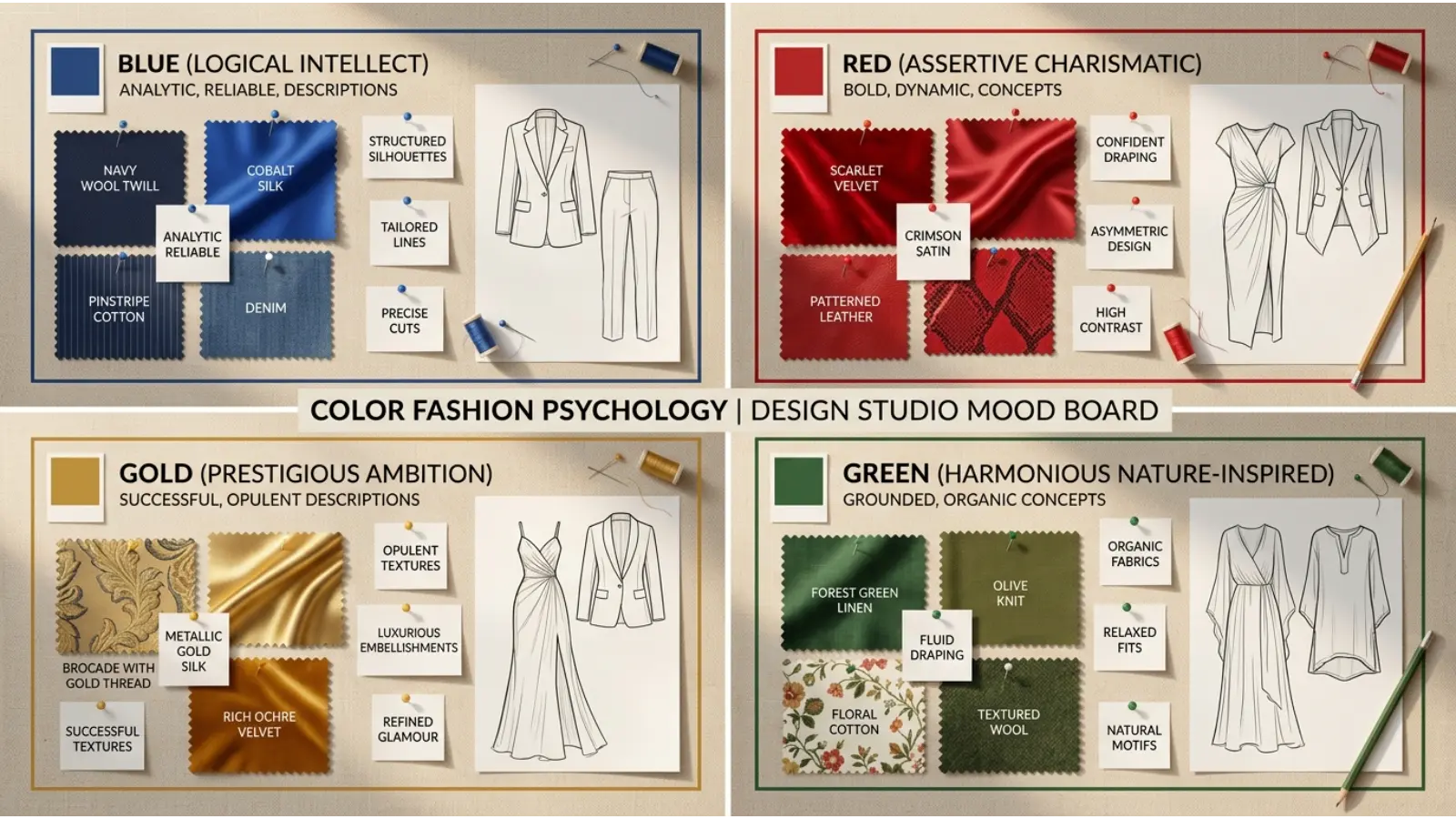
Fashion uses color as a form of communication.
Professional Style
Colors like:
- Navy blue
- Black
- White
- Gray
often create a polished and professional appearance.
Creative Style
People who enjoy:
- Purple
- Orange
- Bright combinations
may use clothing colors to express creativity and individuality.
Emotional Expression Through Fashion
A person may choose different colors depending on:
- Mood
- Season
- Event
- Personal confidence
A favorite color does not always match daily clothing choices.
Best Color Combinations and Their Meanings
Blue and White
Meaning:
- Clean
- Trustworthy
- Fresh
Common uses:
- Websites
- Healthcare designs
- Modern interiors
Green and Brown
Meaning:
- Natural
- Stable
- Earth-connected
Common uses:
- Eco-friendly brands
- Outdoor designs
Purple and Gold
Meaning:
- Luxury
- Creativity
- Elegance
Common uses:
- Premium products
- Fashion branding
Black and White
Meaning:
- Balance
- Simplicity
- Sophistication
Common uses:
- Modern design
- Professional branding
Common Misconceptions About Color Personality Tests
Myth: Your Favorite Color Defines Your Personality
Reality: Color preference can suggest interests or emotions, but it cannot fully describe personality.
Myth: Every Culture Gives Colors the Same Meaning
Reality: Colors can have completely different meanings across societies.
Myth: Color Psychology Controls Behavior
Reality: Colors can influence perception, but many factors affect human decisions.
Myth: One Color Always Has One Meaning
Reality: Shade, context, lighting, and situation change how colors are experienced.
Real-World Applications of Color Personality Meanings
Daily Life
People use color choices for:
- Clothing
- Home decoration
- Personal branding
- Creative expression
Business
Companies use color psychology for:
- Logos
- Packaging
- Advertising
- Customer experience
Art and Photography
Artists use colors to:
- Create emotions
- Tell stories
- Guide attention
Entertainment
Movies and games use color palettes to create:
- Mood
- Character identity
- Symbolic messages
Frequently Asked Questions About Color Personality Test Color Meanings
What is a color personality test?
A color personality test is a tool that connects color preferences with symbolic personality traits and emotional associations.
Can colors really reveal personality?
Colors may reflect personal preferences and emotions, but they cannot scientifically determine someone’s personality.
What does blue mean in a color personality test?
Blue is commonly associated with calmness, trust, loyalty, and stability.
What color represents creativity?
Purple is often linked with creativity, imagination, and originality.
What is the most powerful personality color?
Red is often considered a powerful color because it attracts attention and symbolizes energy, confidence, and passion.
Why do people choose certain colors?
People choose colors because of personal experiences, culture, memories, emotions, and visual preferences.
Do color meanings change by culture?
Yes. The same color can represent happiness in one culture and have a completely different meaning in another.
Are color personality tests scientifically accurate?
They can be useful for reflection and creativity, but they should not replace professional psychological assessments.
How are colors used in marketing?
Brands use colors to create specific impressions, such as trust, excitement, luxury, or freshness.
Conclusion: Understanding the Meaning Behind Your Favorite Colors
Color personality test color meanings offer an interesting way to explore emotions, symbolism, and personal expression. Colors can influence how we see products, spaces, clothing, and even ourselves.
A favorite color may reveal certain preferences or emotional connections, but it is only one small part of a person’s identity. The meaning of a color changes with culture, history, environment, and personal experience.
By understanding color psychology and symbolism, you can make smarter choices in design, fashion, branding, and everyday life. Colors are not just visual experiences—they are powerful tools for communication and creativity.
Emma Wilson is a dedicated comparison writer and product researcher at ColorMystiic.com. She specializes in creating unbiased product comparisons, detailed reviews, and helpful buying guides. Her goal is to help readers make smarter purchasing decisions with confidence.